


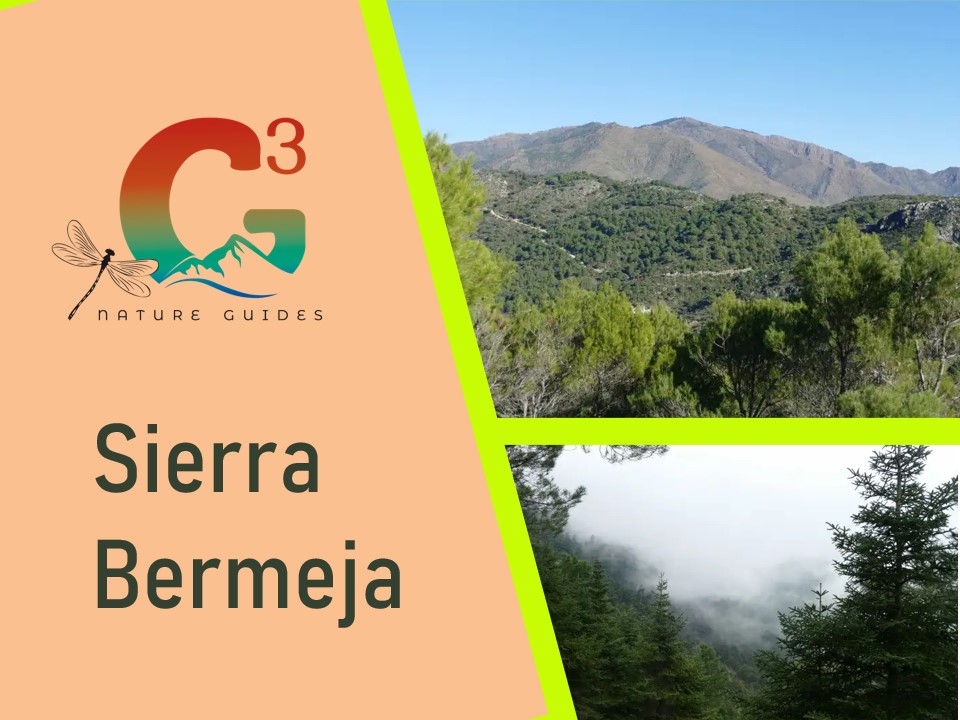
MÁLAGA – The most important peridotite rock massif in Europe.
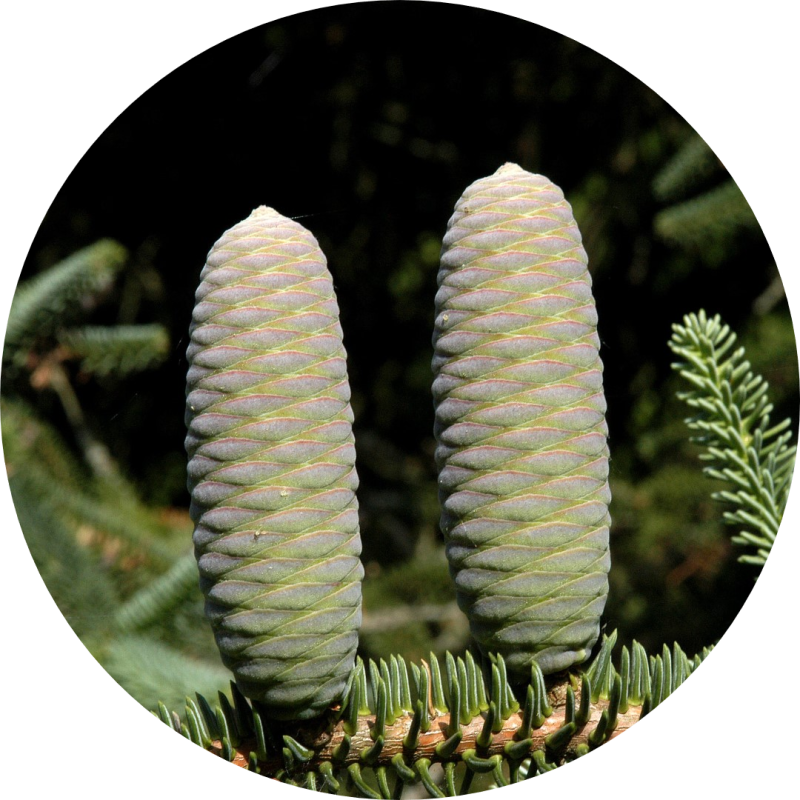

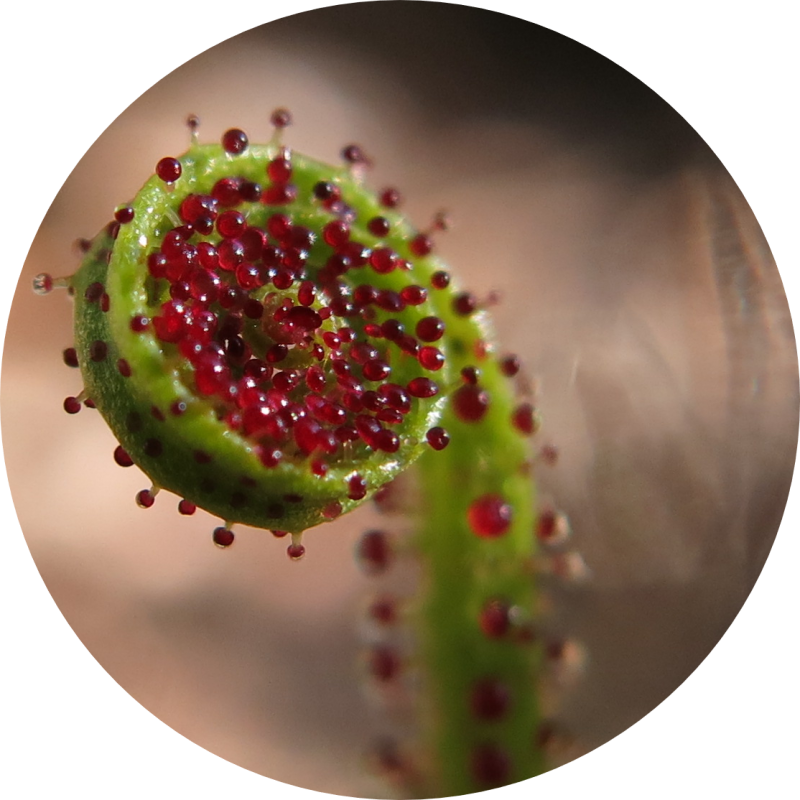
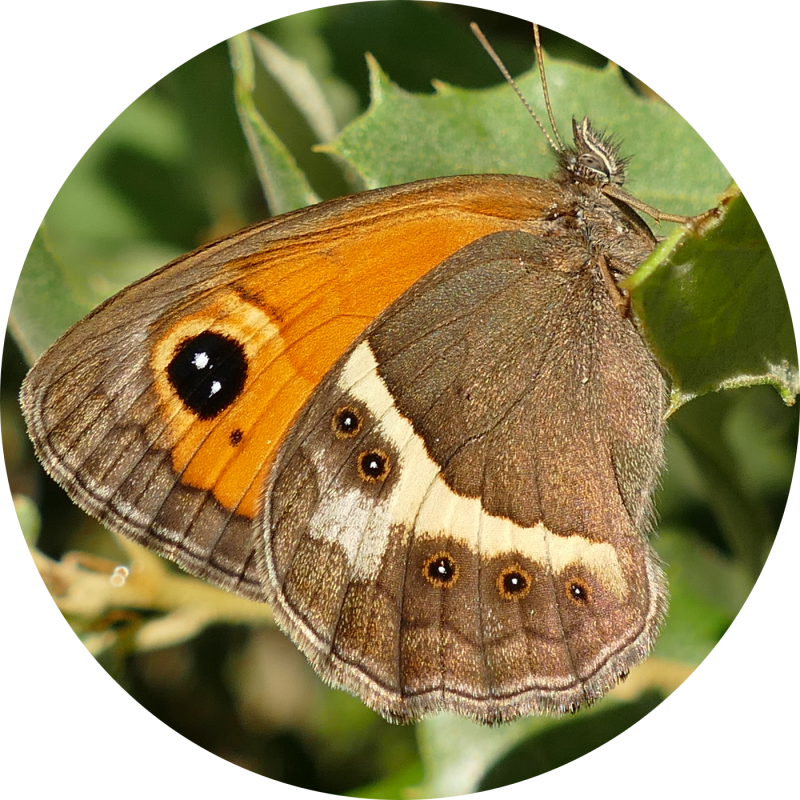
Sierra Bermeja, the Red Mountain (Djebel Al Jamra), whose name is inspired by the coloration of the soil and rocky substrate. It is located in the uninhabited hinterland, parallel along the Costa del Sol, between Manilva in the west, Estepona in the center and Marbella in the east. This rugged territory extends inland between the towns of Casares and Istan and is formed by several mountain ranges or elevations such as Los Reales, Anicola, Palmitera, Apretaderas and Sierra Real.

The Sierra covers a total area of 30,000 ha (300 km²) designated with various figures of protection (paraje natural) and is currently also the subject of a project to declare it a national park. Its highest point rises to 1,508 meters at Pico Abanto, an almost anonymous locality eclipsed by its neighbor, Pico Torrecilla, a mere five kilometers away and the undisputed summit of the Sierra de Las Nieves.
- Peridotite and serpentines
- Resin pines
- Pinsapos
- Garnets and diamond pseudomorphs
- Views over the Mediterranean
Journey to the center of the Earth
Sierra Bermeja is a unique outcrop of ultramafic rocks, peridotites and serpentines (resulting from the alteration of peridotite) that represent less than 1% of the earth’s surface and due to the unusual geochemistry becomes a biodiversity hotspot in the world. The red color comes from the iron oxide produced by the alteration of peridotite exposed to atmospheric agents. The soils lack essential elements: Ca, K and P, but are endowed with

The most emblematic summit called Los Reales de Sierra Bermeja (1 449 meters), has an imposing relief located just 8 kilometers from the coast, is covered with conifers and is often covered with clouds, whose fog brings humidity and high rainfall. A

The combination of peridotites, sub-humid Mediterranean climate and relict coniferous forests is unique in the world. Add to this the magnificent views of Africa, Gibraltar, the coastal mountain ranges and the sea. Undoubtedly an excursion not to be missed.


Note: Recall that the Earth’s internal structure is composed of several layers with heterogeneous densities and chemical compositions: the core, the mantle and the Earth’s crust. The inner core is dense, liquid and metallic. The mantle is a basic material rich in olivine and pyroxene (iron and magnesium). As for the earth’s crust, we can differentiate between the continental crust (15 to 80 km deep), composed of acidic granitoid rocks rich in silica, and the oceanic crust (5 to 7 km deep), which consists of basalts and is basic. To complicate matters, consider the rigid envelope of the earth’s surface called the lithosphere (“stone ball”) and divided into tectonic plates whose movements give rise to the continents. It includes the earth’s crust and the outer part of the mantle: the upper mantle, whose rocks, peridotites, are rich in olivine, magnesium and iron (ultramafic) and very poor in silica (less than 45% of their mass).
Leave a Reply