


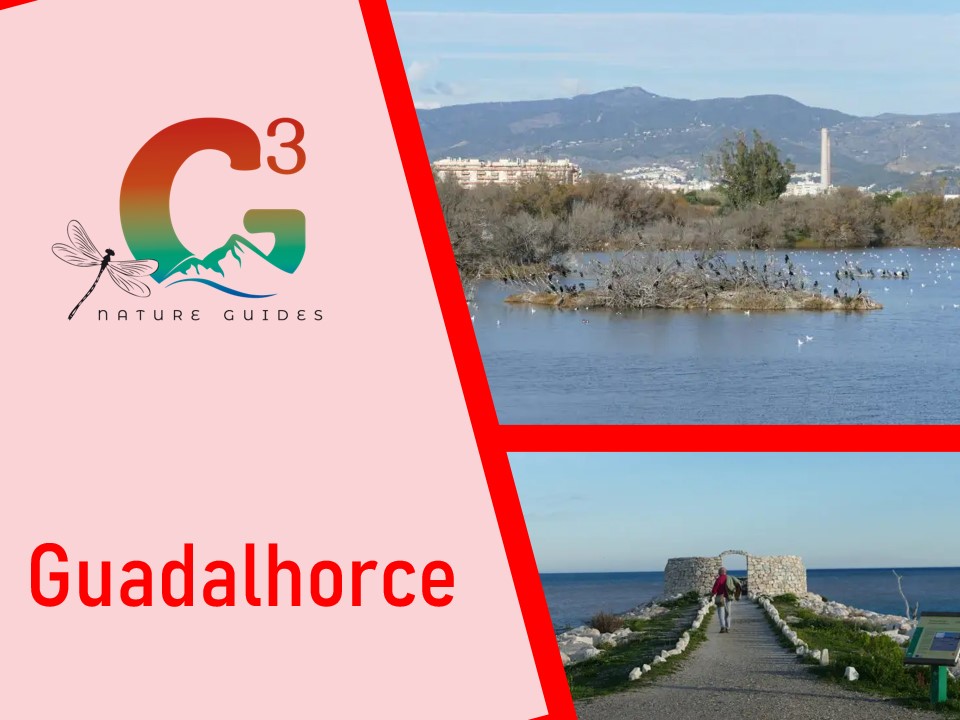
MÁLAGA – The best place for coastal bird watching in Andalusia … and possibly all of Spain.
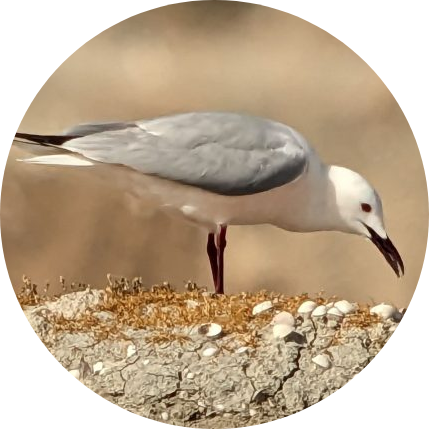
The mouth of the Guadalhorce, called “El Guada” by local ornithologists, is the most important wetland in the province of Malaga along with the Fuente de Piedra lagoon. It is undoubtedly the
best place for and possibly in all ofbirdwatching on the Costa del SolAndalusia ( . It is located west of the city of Malaga and a stone’s throw from the airport (access from Malaga with bus line 5, stop 1013 C / Manuel Curros Enriquez).ebird file )

This natural site is a river island of 120 ha, formerly used as agricultural land (Finca La Isla), and today consists of a complex of restored gravel pits and a dead arm of the river. The latter is reminiscent of the ancient marshes present in the estuary and which were gradually drained. The estuary is made up of a curious mixture (half natural, half artificial) of former agricultural land and aquatic environments: five permanent water lagoons, temporary ponds, two branches of the river and the coast of the wild beach included in the natural site.
- Coastal wetland
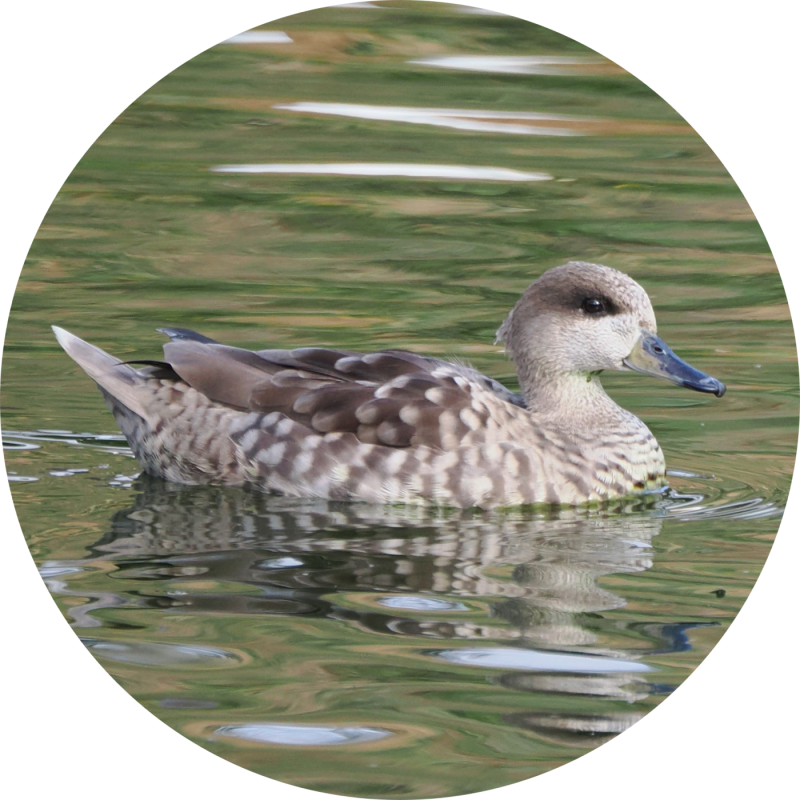
- Waterfowl
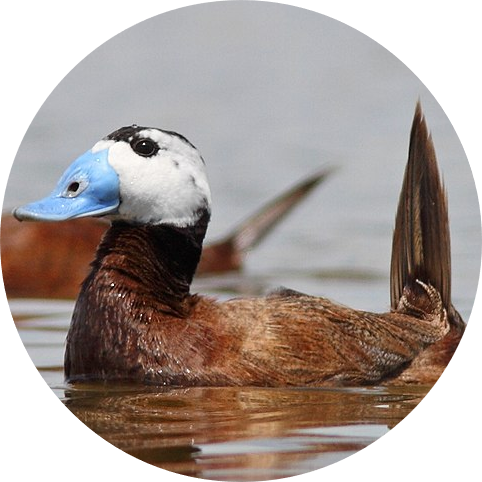
- White-headed Duck
- Dragonflies
- Natural beach
Ornithology every day of the year
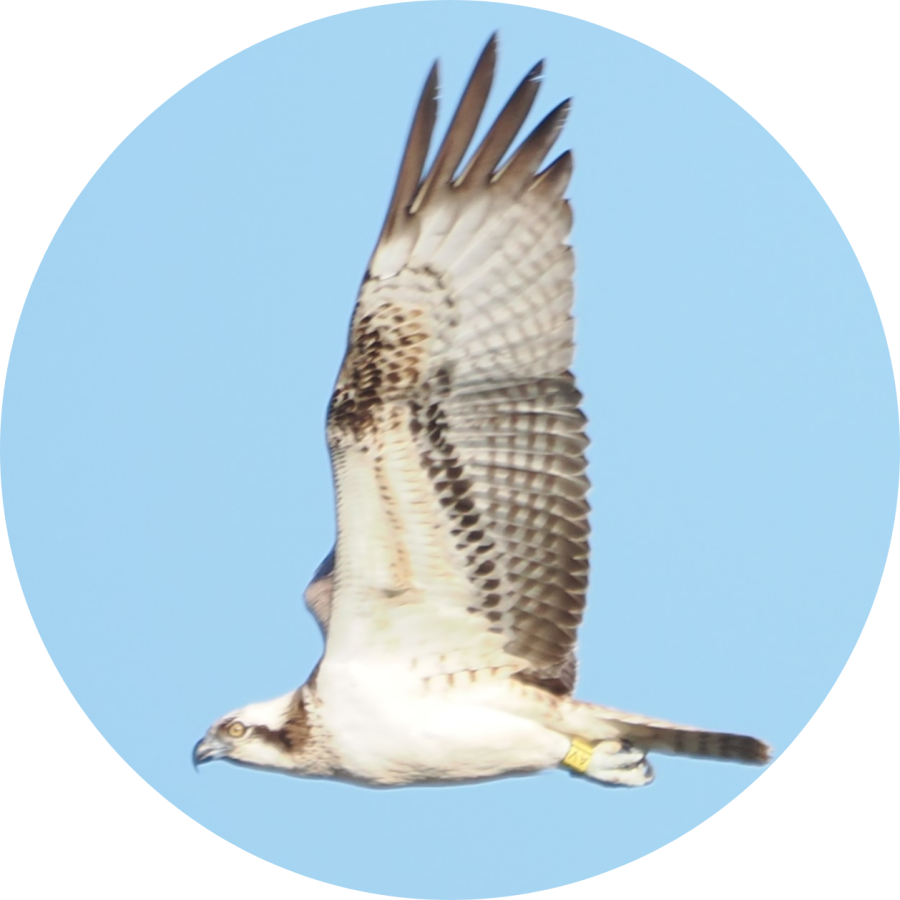
The geographical location and the available habitats have not lost any attraction for birds, quite the contrary, as the estuary has become a real ecological island within a highly urbanized coast. More than 300 species of birds have been identified in this space and some days up to 80 different species are observed! A true feather and song festival. This is why the naturalist community of Malaga has become one of the most active in the region.

Like the other wetlands of Andalusia, the ornithological interest increases with wintering and migrations. Late spring and summer are generally the least interesting seasons … although the sedentary presence of the

Another fact of interest to experienced birders: the Guada turns out to be a great magnet for ornithological rarities, especially species that move around the Mediterranean, all of which explains the mythical number of more than 300 species.

The Guadalhorce estuary is a must to visit: an incomparable diversity in such a small space. Don’t forget your telescope.
Leave a Reply