


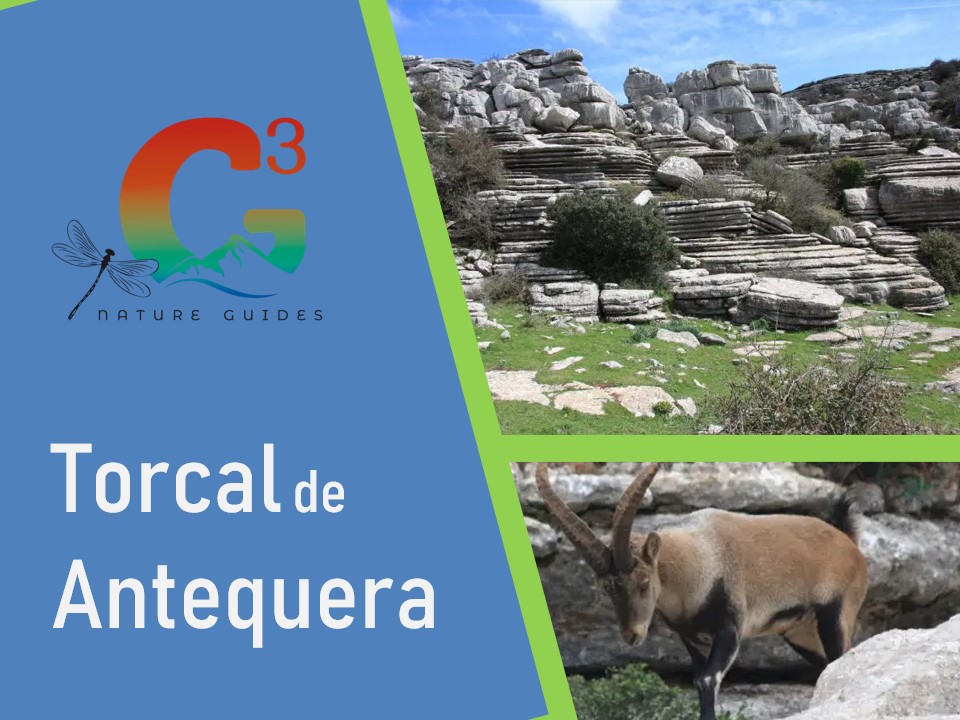
MÁLAGA – One of the most prestigious karst geographic features in Europe, a mountain range that never tires of surprising the traveler.

El Torcal de Antequera, located at the crossroads of the roads linking Seville – Granada and Cordoba – Malaga, is an area classified as a natural site, with an area of 1,171 ha (11.7 km2). It is famous for its geology and belongs to a group of mountains of limestone origin, of small extension and more than 1,000 meters above sea level, which connects the western Betic mountain ranges (Grazalema, Sierra de las Nieves) with the eastern Betic mountain ranges (Sierra Gorda, Sierra Almijara, etc.) and dominates the Antequera Depression, a prelude to the Guadalquivir Depression.

El Torcal is one of the most famous karst formations in Europe due to its majestic, eroded and ruiniform reliefs. that form a labyrinth of strangely shaped stones. An unforgettable landscape that transports the visitor away from his daily life and evokes a primitive and ancient nature: undoubtedly, the most zen of the Andalusian landscapes.
- “THE” Torcal
- Limestone saw
- Karst
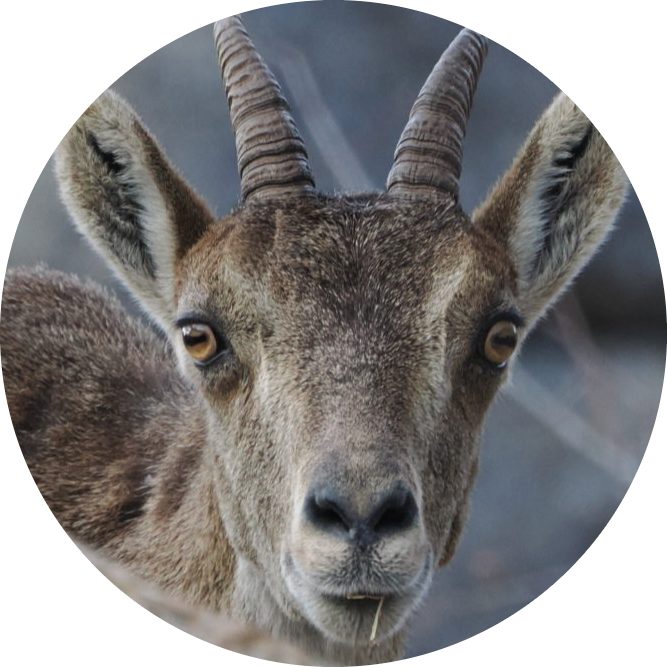
- Spanish Ibex
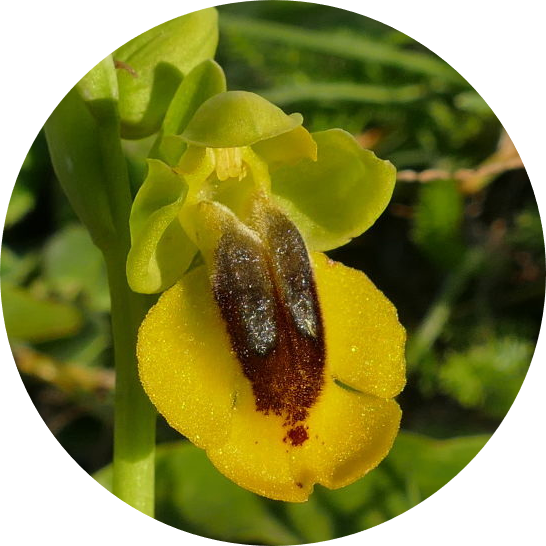
- Orchids
The landscape that most surprises the traveler
This extraordinary rock formation is the result of a long and complex geological history. El Torcal is an open book that stretches before our eyes and tells the story of the Earth’s history of millions of years in which episodes of marine sedimentation, transformation of limestone substrates, alpine folding and the appearance of the mountain, followed by fractures and erosion finally reveals the karst forms as they are known today and continue to be modified little by little.

El Torcal is the land of the “torcas”, a term that designates the circular depressions characteristic of the erosion of limestone rocks in a karstic context, also known as dolinas (see note) or sinkholes. The Torcas de los Palancares in the Serranía de Cuenca are famous. Paradoxes of Andalusia, a “torca” is a basin, El Torcal is a mountain range!

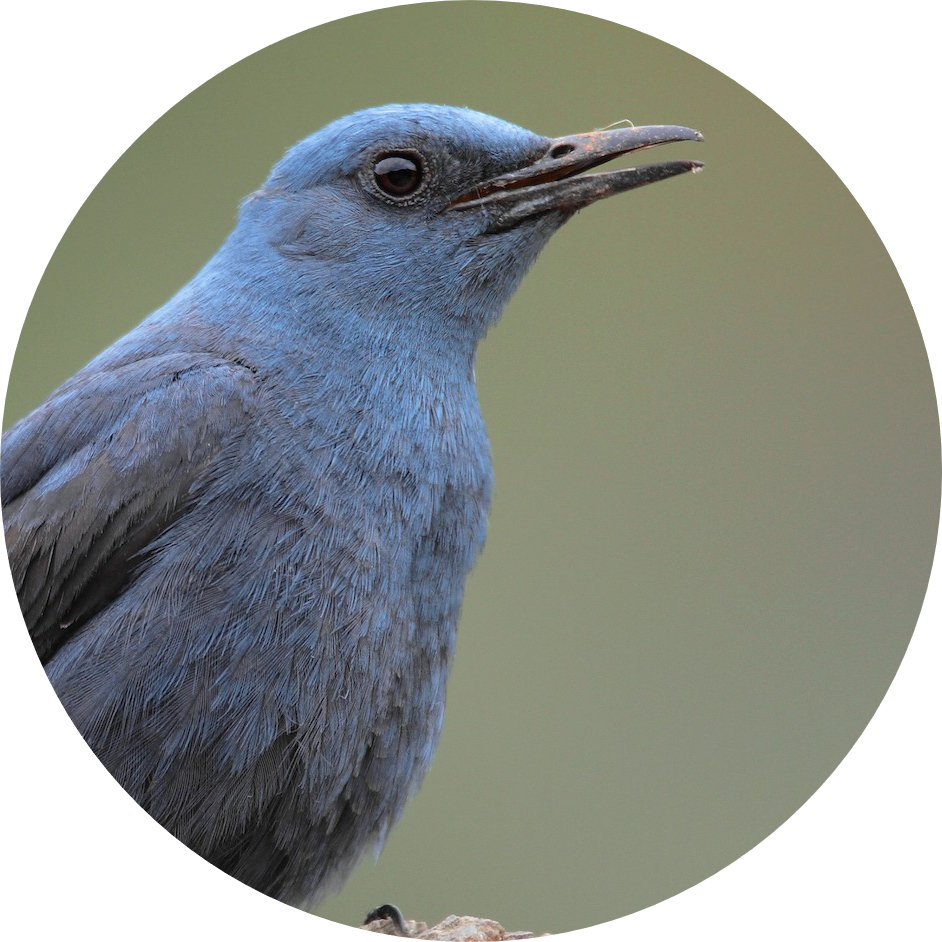
Although the rock formations stand out in this landscape, the wildlife should not be neglected. Calcareous grasslands, rich in about thirty species of orchids, including the

The Sierra del Torcal de Antequera is the most impressive and well known, however, there are other very interesting and less known torcales in the province of Malaga, such as Los Riscos de Cartajima in the Genal Valley and La Utrera de Casares on the Costa del Sol.

Note. the words “doline” and “karst” come from Slavic, respectively “valley” and “rocks”. The locality of Grast (Karst) is a limestone plateau, located in Slovenia, which inspired the use of the root in geology.
Leave a Reply