


Species unique to southern Europe: an invitation to complete your field guide.

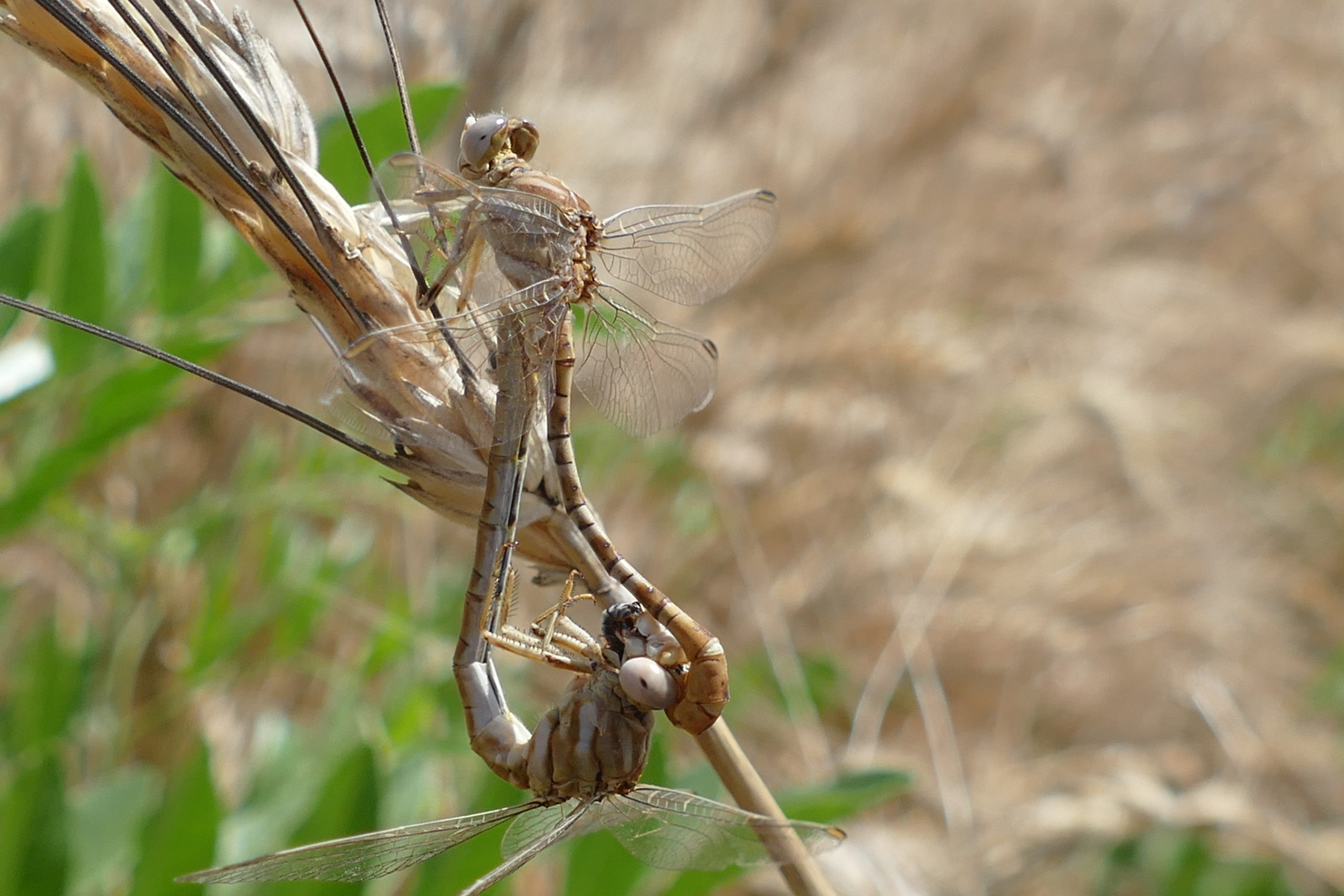
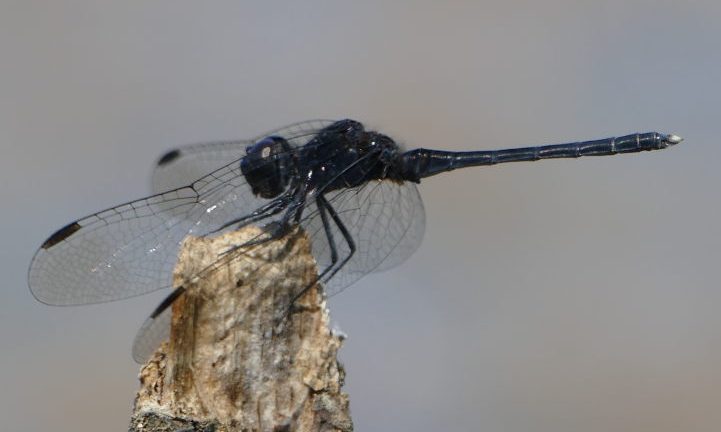

- 22 damselflies (Zygoptera)
- 41 true dragonflies (Anisoptera)
- Western Palearctic endemisms in flowing waters
- Generalist/African species in stagnant waters
- Diversity of behaviors to observe in the field
Dragonflies or odonates are insects with elongated and often brightly colored bodies, endowed with two pairs of large wings and bulky eyes, which patrol aquatic environments on hot days like no other arthropod … The larvae are aquatic and are provided with a prehensile “mask” to capture their prey.
Andalusia has 63 species of odonates, being the Iberian bluet (Ischnura graellsii), an Iberian-Maghrebi endemism that extends slightly in France, the most common species in the whole Iberian Peninsula. We have a population, located in the province of Malaga, of the recently described Iberian endemism, the Cazuma’s pincertail (Onychogomphus cazuma).


The dragonflies of Andalusia
Colonization of African species

Andalusia is the gateway to the African species that colonize Europe. We can mention the Violet dropwing (Trithemis annulata) and the Orange-winged dropwing (Trithemis kirbyi), two species with spectacular colors and easy to observe.
| START DATE | SPECIES |
|---|---|
| 2007 | Trithemis kirbyi |
| 1978 | Trithemis annulata |
| 1966 | Orthetrum trinacria |
| 1957, 1961 | Brachythemis impartita |
| 1904, 1935, 1942 | Diplacodes lefebvrii |
| Presence detected in the 19th century, distribution practically restricted to the Iberian Peninsula in Europe. | Sympetrum sinaiticum |
| Paragomphus genei | |
| Orthetrum chrysostigma | |
| Selysiothemis nigra* | |
| Zygonyx torridus | |
| Presence detected in the 19th century, with a wide distribution in Europe. | Anax ephippiger |
| Anax imperator | |
| Crocothemis erythraea | |
| Sympetrum fonscolombii |
In the European context, the Iberian Peninsula, and in particular Andalusia, is home to large populations of odonates of running inland waters, the most sensitive to pollution. It should also be noted that the rivers Genal and Hozgarganta are reputed to be the last wild rivers of Andalusia and the streams of the Costa del Sol are home to an exceptional aquatic biodiversity.
Diversity of Mediterranean rivers

The area is home to streams characterized by their low flow and very mild water temperatures, very favorable conditions for the species of the lotic ecosystems:
- Copper demoiselle (Calopteryx haemorrhoidalis)
- Orange Featherleg (Platycnemis acutipennis)
- Western Spectre (Boyeria irene)
- Three species of Gomphus and four species of Onychogomphus.
Rarer and more endangered:
- Orange-spotted emerald (Oxygastra curtisii)
- Splendid cruiser (Macromia splendens), being difficult to observe.
Southern European Specialties

Other odonates present in the sector have a limited distribution in Europe and even within Spain. Often these species are restricted to very specific habitats, which can make their sightings difficult.
- Spotted Torrent (Zygonyx torridus)
- Pygmy Galladere (Diplacodes lefebvrii)
- Pale Candlestick (Onychogomphus costae)
- Common Hooktail (Paragomphus genei)
- Epaulet Skimmer (Orthetrum chrysostigma)
- Yellow-Veined skimmer (Orthetrum nitidinerve)
- Long Skimmer (Orthetrum trinacria)
- Desert Darter (Sympetrum sinaiticum)
- Northern banded Groundling (Brachythemys impartita)
- Black Pennant (Selysiothemis nigra)
Dragonflies: list of species present in Andalusia
| # | FAMILY | SPECIES | COMMON NAME | ID | DISTRIBUTION | HABITAT | IUCN 2008 Andalucia |
|---|---|---|---|---|---|---|---|
| ZYGOPTERA | |||||||
| 1 | Calopterygidae | Calopteryx haemorrhoidalis | Copper demoiselle | Unmistakable | SW Palearctic | Running waters | |
| 2 | – | Calopteryx virgo meridionalis | Beautiful demoiselle | Unmistakable | SW Palearctic | Running waters | |
| 3 | – | Calopteryx xanthostoma | Western demoiselle | Unmistakable | Iberia, Francia | Running waters | VU |
| 4 | Coenagrionidae | Ceriagrion tenellum | Small red damsel | Easy | W Palearctic | Slow flowing waters | |
| 5 | – | Coenagrion caerulescens | Mediterranean Bluet | Tricky | SW Palearctic | Slow flowing waters | VU |
| 6 | – | Coenagrion mercuriale | Mercury bluet | Tricky | SW Palearctic | Slow flowing waters | VU |
| 7 | – | Coenagrion puella | Azure bluet | Tricky | Palearctic | Stagnant water | EXT |
| 8 | – | Coenagrion scitulum | Dainty bluet | Tricky | Palearctic | Stagnant water | VU |
| 9 | – | Enallagma cyathigerum | Common bluet | Tricky | Palearctic | Stagnant water | |
| 10 | – | Erythromma lindenii | Blue-eye | Easy | W Palearctic | Slow flowing waters | |
| 11 | – | Erythromma viridulum | Small Redeye | Easy | W Palearctic | Stagnant water | |
| 12 | – | Ischnura graellsii | Iberian bluetail | Easy | Iberia, Maghreb | Opportunist | |
| 13 | – | Ischnura pumilio | Small bluetail | Tricky | Palearctic | Stagnant water | |
| 14 | – | Pyrrhosoma nymphula | Large red damsel | Easy | W Palearctic | Slow flowing waters | |
| 15 | Lestidae | Chalcolestes viridis | Willow spreadwing | Easy | W Palearctic | Opportunist | |
| 16 | – | Lestes barbarus | Migrant spreadwing | Tricky | Palearctic | Stagnant water | |
| 17 | – | Lestes dryas | Robust spreadwing | Tricky | Palearctic, Nearctic | Stagnant water | VU |
| 18 | – | Lestes macrostigma | Dark spreadwing | Unmistakable | Palearctic | Stagnant water | VU |
| 19 | – | Lestes virens virens | Small spreadwing | Tricky | Palearctic | Stagnant water | |
| 20 | – | Sympecma fusca | Common winter damsel | Unmistakable | Palearctic | Opportunist | |
| 21 | Platycnemididae | Platycnemis acutipennis | Orange featherleg | Unmistakable | Iberia, Francia | Slow flowing waters | |
| 22 | – | Platycnemis latipes | White featherleg | Unmistakable | Iberia, Francia | Opportunist | |
| ANISOPTERA | |||||||
| 23 | Aeshnidae | Aeshna affinis | Blue-eyed hawker | Tricky | Palearctic | Stagnant water | DD |
| 24 | – | Aeshna cyanea | Blue hawker | Easy | W Palearctic | Stagnant water | |
| 25 | – | Aeshna isoceles | Green-eyed hawker | Unmistakable | W Palearctic | Stagnant water | EXT |
| 26 | – | Aeshna mixta | Migrant hawker | Tricky | Palearctic | Stagnant water | |
| 27 | – | Anax ephippiger | Vagrant Emperor | Easy | Africa | Stagnant water | |
| 28 | – | Anax imperator | Blue Emperor | Easy | Africa, Palearctic | Opportunist | |
| 29 | – | Anax parthenope | Lesser Emperor | Easy | Palearctic, Indomalaya | Opportunist | |
| 30 | – | Boyeria irene | Western spectre | Unmistakable | SW Palearctic | Running waters | |
| 31 | – | Brachytron pratense | Hairy dragonfly | Easy | W Palearctic | Stagnant water | EXT |
| 32 | Cordulegastridae | Cordulegaster boltonii | Common goldenring | Easy | W Palearctic | Running waters | |
| 33 | Macromiidae | Macromia splendens | Splendid cruiser | Easy | Iberia, Francia | Slow flowing waters | CR |
| 34 | Corduliidae | Oxygastra curtisii | Orange-spotted emerald | Unmistakable | SW Palearctic | Slow flowing waters | EN |
| 35 | Gomphidae | Gomphus graslinii | Pronged clubtail | Tricky | Iberia, Francia | Running waters | EN |
| 36 | – | Gomphus pulchellus | Western clubtail | Tricky | SW Palearctic | Slow flowing waters | |
| 37 | – | Gomphus simillimus | Yellow clubtail | Tricky | SW Palearctic | Running waters | VU |
| 38 | – | Onychogomphus cazuma | Cazuma pincertail | Tricky | Spain | ||
| 39 | – | Onychogomphus costae | Faded pincertail | Unmistakable | Iberia, Maghreb | Slow flowing waters | |
| 40 | – | Onychogomphus forcipatus unguiculatus | Small pincertail | Tricky | W Palearctic | Running waters | |
| 41 | – | Onychogomphus uncatus | Large pincertail | Tricky | SW Palearctic | Running waters | DD |
| 42 | – | Paragomphus genei | Green hooktail | Unmistakable | Africa | Slow flowing waters | |
| 43 | Libellulidae | Brachythemis impartita | Northern banded groundling | Unmistakable | Africa | Stagnant water | |
| 44 | – | Crocothemis erythraea | Broad scarlet | Easy | Africa, Palearctic, Indo-Malaysia | Opportunist | |
| 45 | – | Diplacodes lefebvrii | Black percher | Tricky | Africa, Indomalaya | Stagnant water | |
| 46 | – | Libellula depressa | Broad-bodied chaser | Unmistakable | Palearctic | Stagnant water | |
| 47 | – | Libellula fulva | Blue-eyed chaser | Easy | Palearctic | Stagnant water | EXT |
| 48 | – | Libellula quadrimaculata | Four-spotted chaser | Unmistakable | Neartic, Palearctic | Stagnant water | DD |
| 49 | – | Orthetrum brunneum | Southern skimmer | Tricky | Palearctic | Slow flowing waters | |
| 50 | – | Orthetrum cancellatum | Black-tailed skimmer | Unmistakable | Palearctic | Stagnant water | |
| 51 | – | Orthetrum chrysostigma | Epaulet skimmer | Easy | Africa, Iberia, Turkey | Slow flowing waters | |
| 52 | – | Orthetrum coerulescens | Keeled skimmer | Tricky | Palearctic | Slow flowing waters | |
| 53 | – | Orthetrum nitidinerve | Yellow-veined skimmer | Easy | Iberia, Maghreb, Sicily, Sardinia | Slow flowing waters | VU |
| 54 | – | Orthetrum trinacria | Long skimmer | Easy | Africa, SW Asia | Stagnant water | |
| 55 | – | Selysiothemis nigra | Black pennant | Tricky | Asia, Mediterranean | Stagnant water | |
| 56 | Libellulidae | Sympetrum fonscolombii | Red-veined darter | Easy | Africa, Asia, Palearctic | Stagnant water | |
| 57 | – | Sympetrum meridionale | Southern darter | Tricky | Palearctic | Stagnant water | |
| 58 | – | Sympetrum sanguineum | Ruddy darter | Tricky | Palearctic | Stagnant water | |
| 59 | Libellulidae | Sympetrum sinaiticum | Desert darter | Tricky | Mediterranean | Slow flowing waters | |
| 60 | – | Sympetrum striolatum | Common darter | Tricky | Palearctic | Opportunist | |
| 61 | – | Trithemis annulata | Violet dropwing | Unmistakable | Africa | Opportunist | |
| 62 | – | Trithemis kirbyi | Orange-winged dropwing | Unmistakable | Africa | Opportunist | |
| 63 | – | Zygonyx torridus | Ringed cascader | Easy | Africa | Running waters | VU |
Extinction risk in Andalusia. LR: Lower Risk. NT: Near Threatened. VU: Vulnerable. EN: Endangered. EX: Extinct.
Habitats of odonates
Fast flowing waters
Habitat of “lotic” species (gomphids, demoiselles) typical of fast-flowing streams and rivers (with low temperatures, high oxygenation) and whose larvae hide in the gravel substrate or under stones, and often develop for several years.
Slow flowing waters
Habitat of dragonflies more suited to shallow running water (Black-tailed skimmers), whose larvae are less adapted to withstand fast currents. Biotopes often with aquatic vegetation, high oxygen content and cool temperatures. The larvae of several species can withstand heavy flooding: the Splendid cruiser (Macromia splendens) finds refuge in large permanent pools of Mediterranean rivers; the Pale Candil(Onychogomphus costae) lives in the larger rivers of Andalusia.
Still and stagnant waters
Libellulids and nests colonize basins without water flow (ponds, lagoons), with a preference for permanent, semi-permanent or temporary water, depending on larval growth and colonization.
Opportunistic species

Dragonflies prefer still water (libellulids), although their high colonization potential and short larval development allow them to occupy a wide range of habitats, e.g., low-flowing stream sections.
Leave a Reply