
A nature tour
- Mediterranean and endemic butterflies
- Good conditions for photography
- Life cycle information

Malaga

June – July

Up to 7 days of activity

Private groups
Biodiversity of butterflies in Andalusia
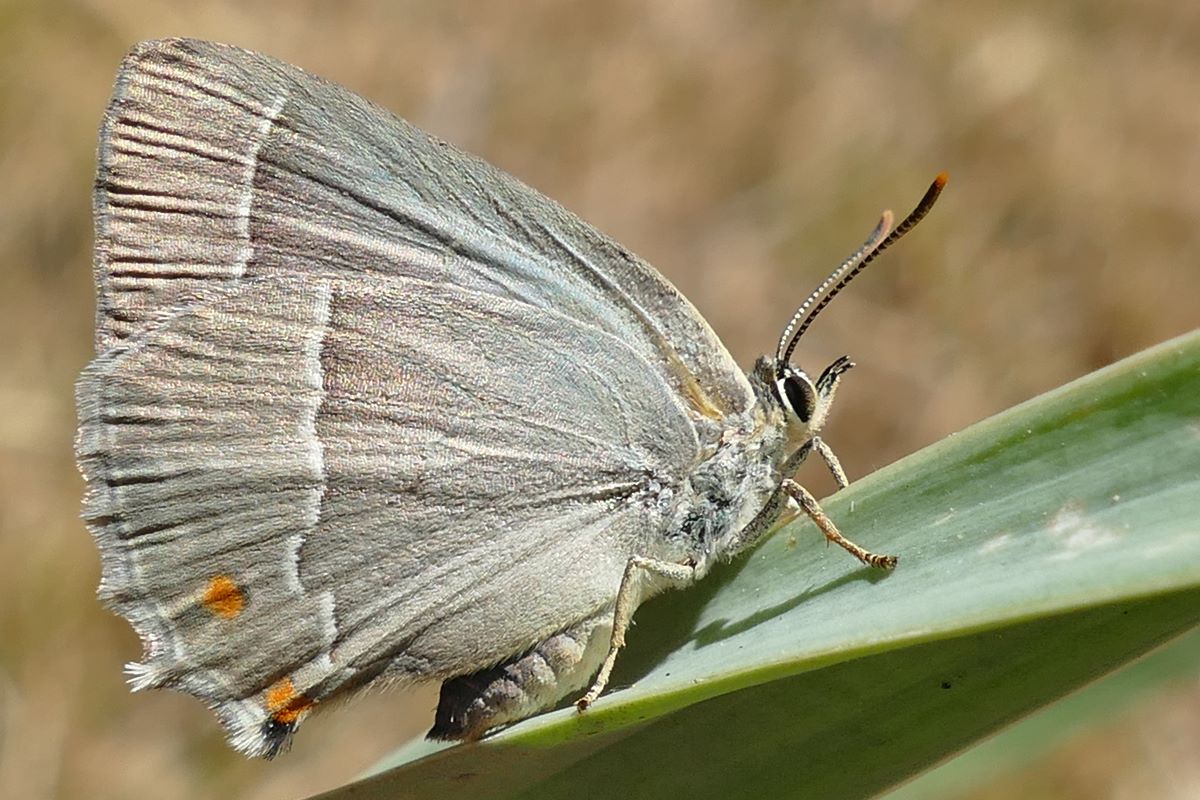
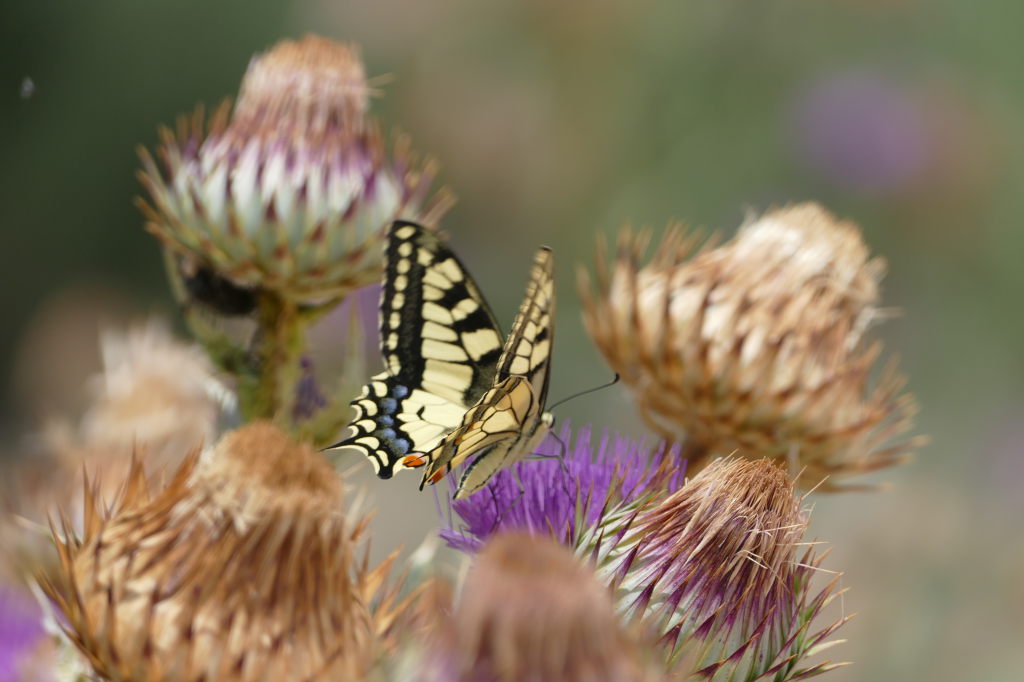
With more than 150 species of butterflies, Andalusia is undoubtedly a biodiversity hotspot for Lepidoptera in Europe, with an abundance of Mediterranean species and the presence of endemic species, only found in the Spanish sierras.
Endemic species on all sides
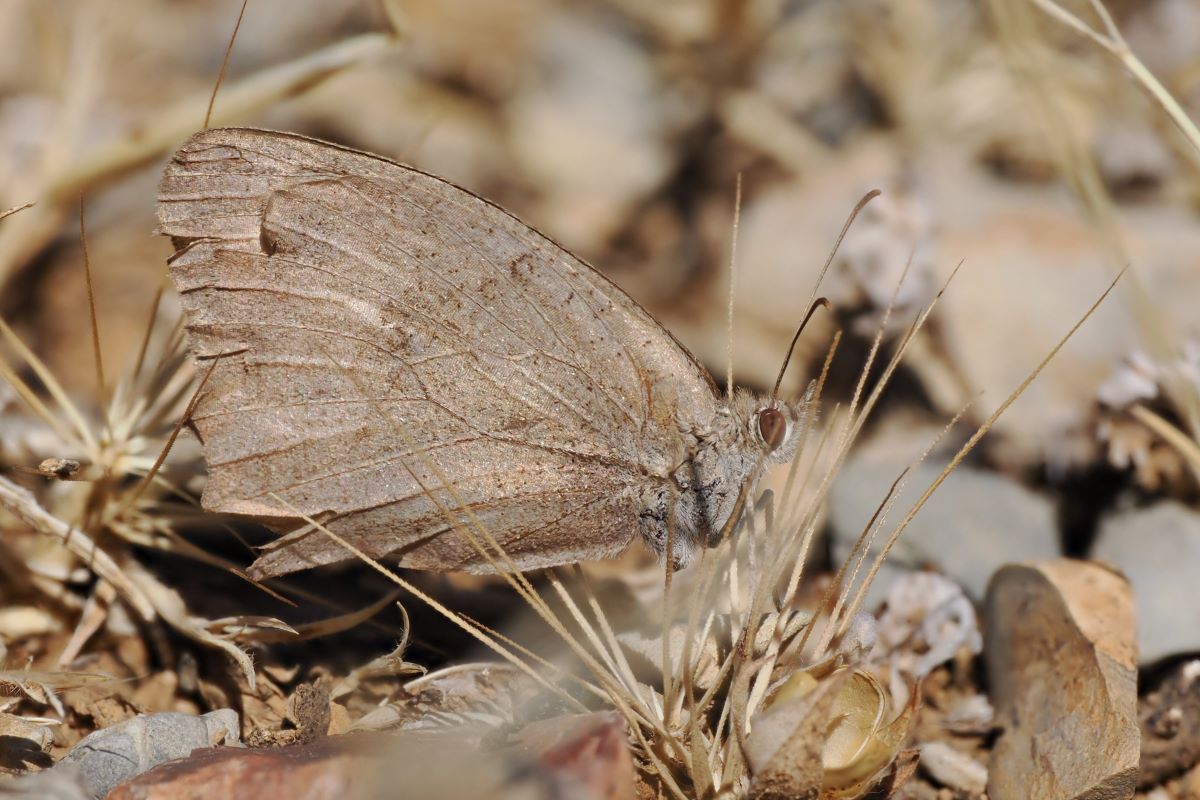
A trip to Spain offers excitement at all times. Even species as well known as the Meadow Brown (Maniola jurtina) and the Small Heath (Coenonympha pamphilus), easily sighted hundreds of times by any observer, offer interest with their distinctive Iberian and endemic subspecies… The common Southern Blue (Polyommatus celina), is also endemic to the Iberian Peninsula.
The richness of the Mediterranean
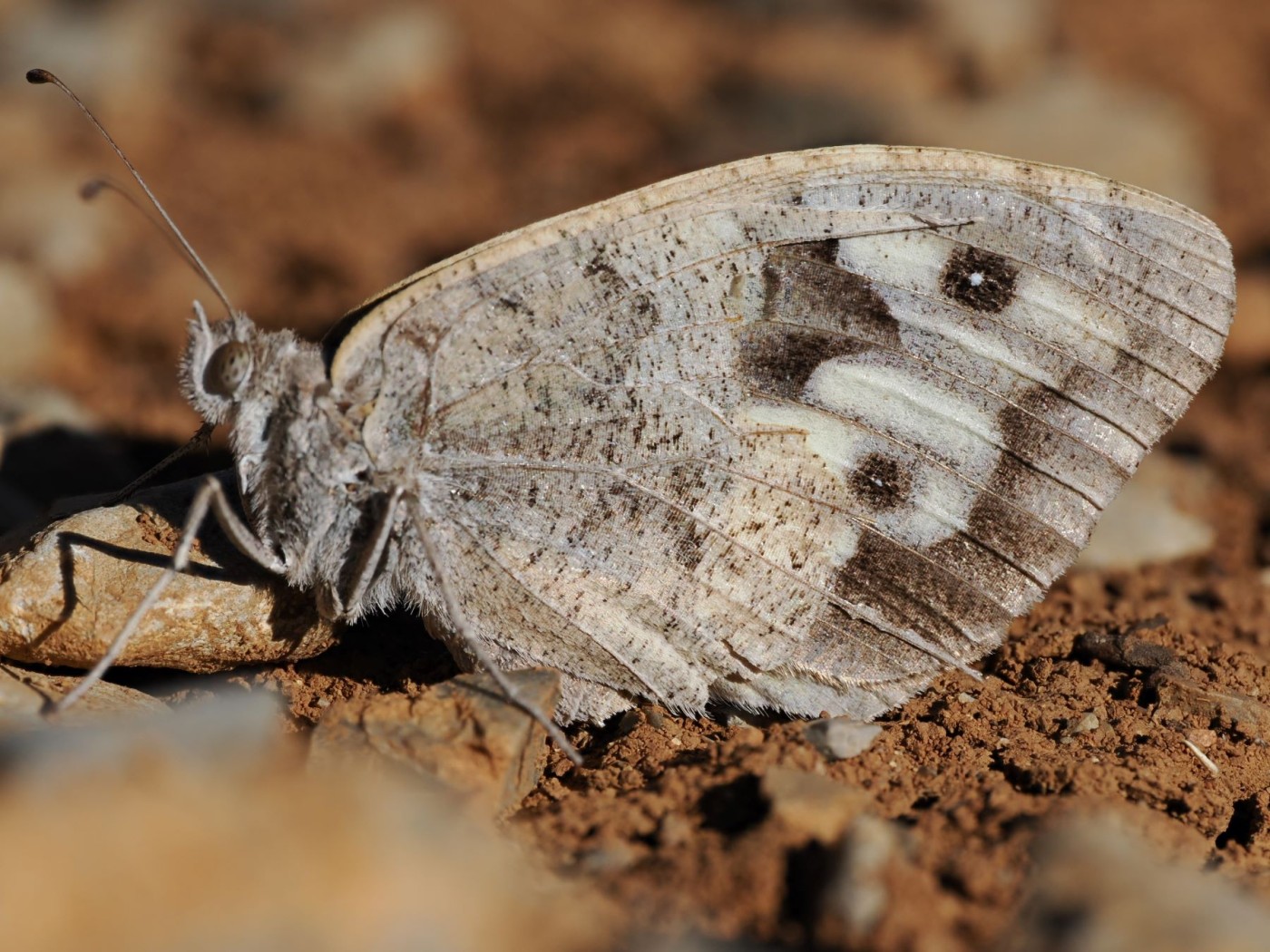
On any given walk, a large number of Blues (Lycaneidae Polyommatinae), graylings, marbled whites, browns, swallowtails, fritillaries, coppers and skippers will appear and fill the garrigues, open Mediterranean forests and high altitude habitats. The blues are extremely varied in southern Spain, so it will be a pleasure to study them and have time for photography.
Butterflies and their behaviors
We will be able to contemplate “summit rounds” of males to find their mates ; spectacular congregations of Blues and Skippers on shores with wet ground ; migratory butterflies such as the Painted Lady (Vanessa cardui). Nectar sources: some plants bloom at the end of the season and attract thirsty butterflies.
Mediterranean butterflies
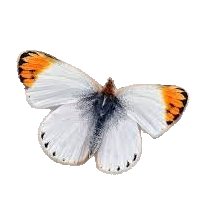


Private tour Butterflies in Andalusia
Tour variants and options
Tour in the Serranía de Ronda and Sierra de Las Nieves
We will dedicate the day to look for species typical of the Mediterranean region and common in Andalusia such as:
- Southern Scarce Swallowtail (Iphiclides feisthamelii)
- Provence Orange Tip (Anthocharis euphenoides)
- Sage Skipper (Muschampia proto)
- Provence hairstreak (Tomares ballus)
- Two-tailed pasha (Charaxes jasius)
- Fritilaria red waves (Euphydryas aurinia)
- Southern gatekeeper (Pyronia cecilia)
Trip to Sierra Nevada
The eastern Andalusian mountains are a must for discovering the butterflies of the Mediterranean region. All in all, the surroundings of the Sierra Nevada offer a classic destination for both the iconic species of the south and the rare endemic species. Late spring is the perfect season to wander through Andalusia with its flowering and wealth of visiting insects.
Additional information

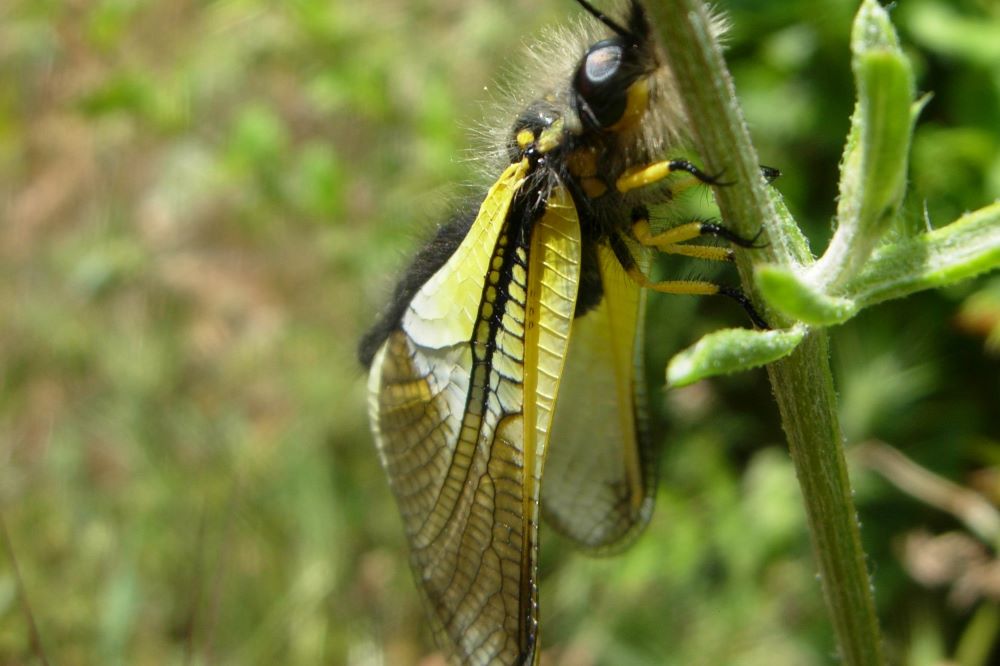
The “plus”. We will also focus on the Burnets (Zygaena) and Owlflies (Ascalaphus).
Includes
- Specialized professional guide
- High-end telescopes
- High-end binoculars
- List of potential species
- Door-to-door passenger pickup/destination
- Accident insurance
Program for an 8-day tour in the mountains of Andalusia (Granada)
Butterflies are very unevenly distributed throughout the territory… While the lowlands still retain the interest of enthusiasts, the real jewels of endemic species and the most impressive densities of butterflies are found at altitudes above 1,500 meters. That is why we will focus on the eastern Betic mountain range, which includes Sierra Nevada and Sierra de Cazorla.
The Butterfly Tour in Andalusia allows you to enjoy one of the most rewarding trips in Europe.
The real difficulty is getting easy access to high altitudes in multiple locations and making the species list grow as large as possible. This is where our tour excels with a selection of excellent butterfly sites scattered throughout the province of Granada.
We will chase the rare and endemic species such as the subspecies Apollo of the Sierra Nevada, the Nevada Satyr, the Hermit, the Rambur and Zullich’s Blues. These sightings are always memorable.
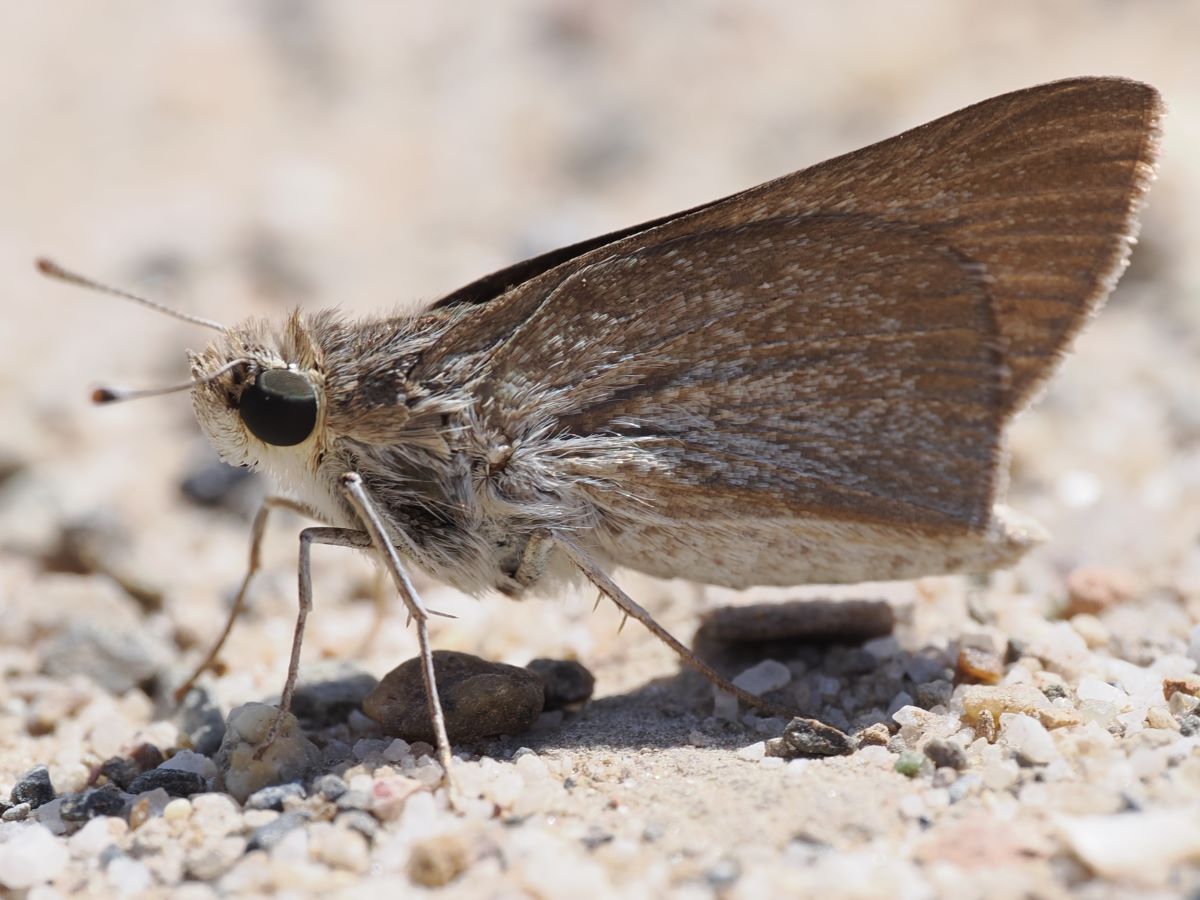
DAY 1 : Transfer from Malaga
We will meet in Malaga, the city with the largest airport in the area, and move quickly eastward. During the transfer, we will make stops along the Mediterranean coast, to observe butterflies from sea level to the top of the mountain during the trip.
DAY 2 : Sierra Nevada
The hotel is located at 2,500 m.a.s.l. at the base of Pico Veleta (3,398) and near Mulhacén (3,482), the highest elevation in the Iberian Peninsula. Nowhere else in Andalusia is the vegetation so sparse and gives so much importance to the bedrock (medium-grained metamorphic schist). Butterflies are rare in these conditions. We will explore the variety of high altitude habitats and look for Nevada’s specialties:
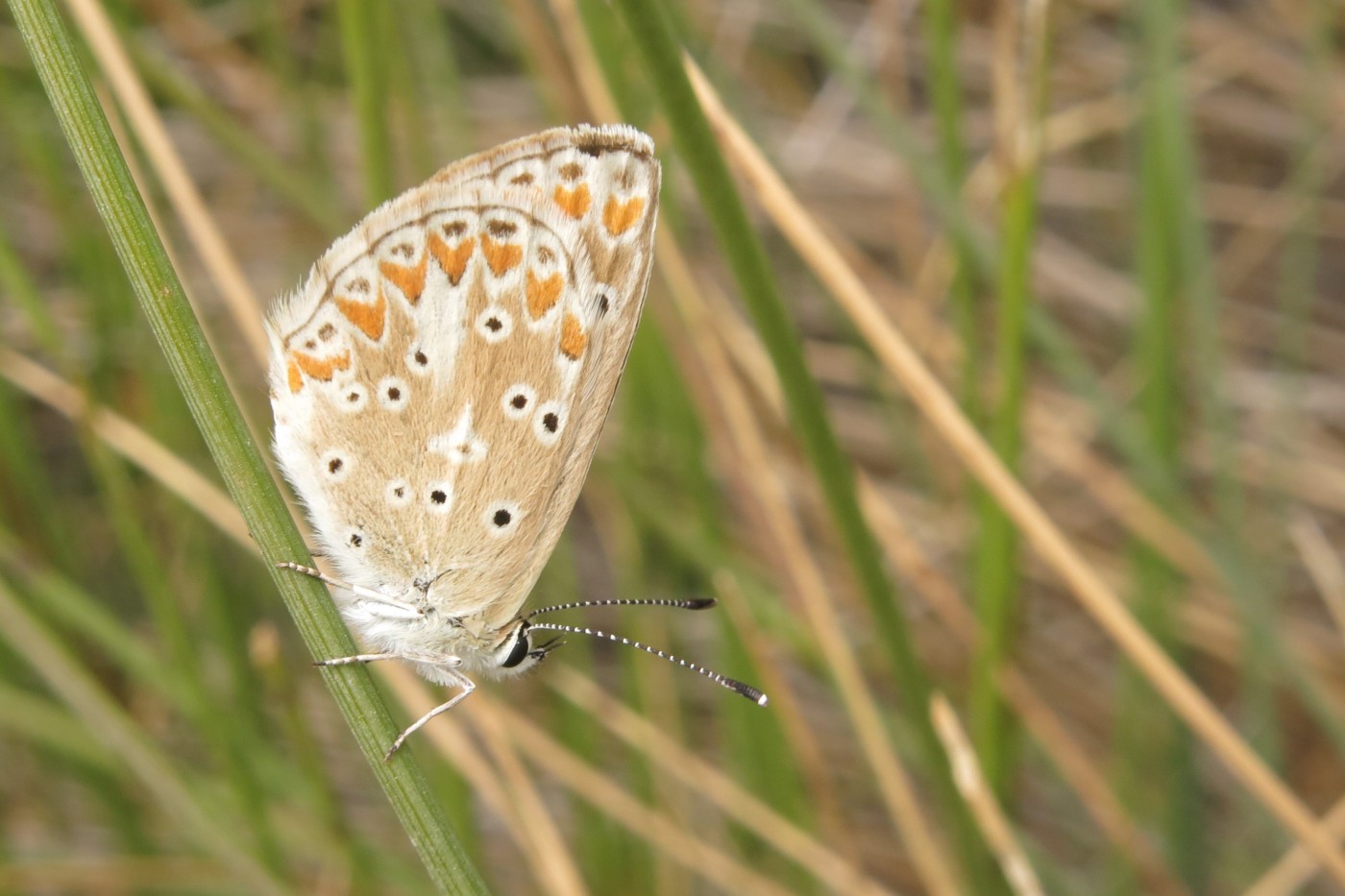
DAY 3 : Sierra de Baza
This little known mountain range north of Granada is also home to the Betic endemisms that made the Sierra Nevada famous. The habitats of Baza are very contrasting and are dominated by coniferous forests on very dry limestone. The patches of high altitude grasslands and garrigues favor a rich flora and insects between 2,000 and 2,500 masl. Many members of Polyommatinae will be on the prowl, such as the
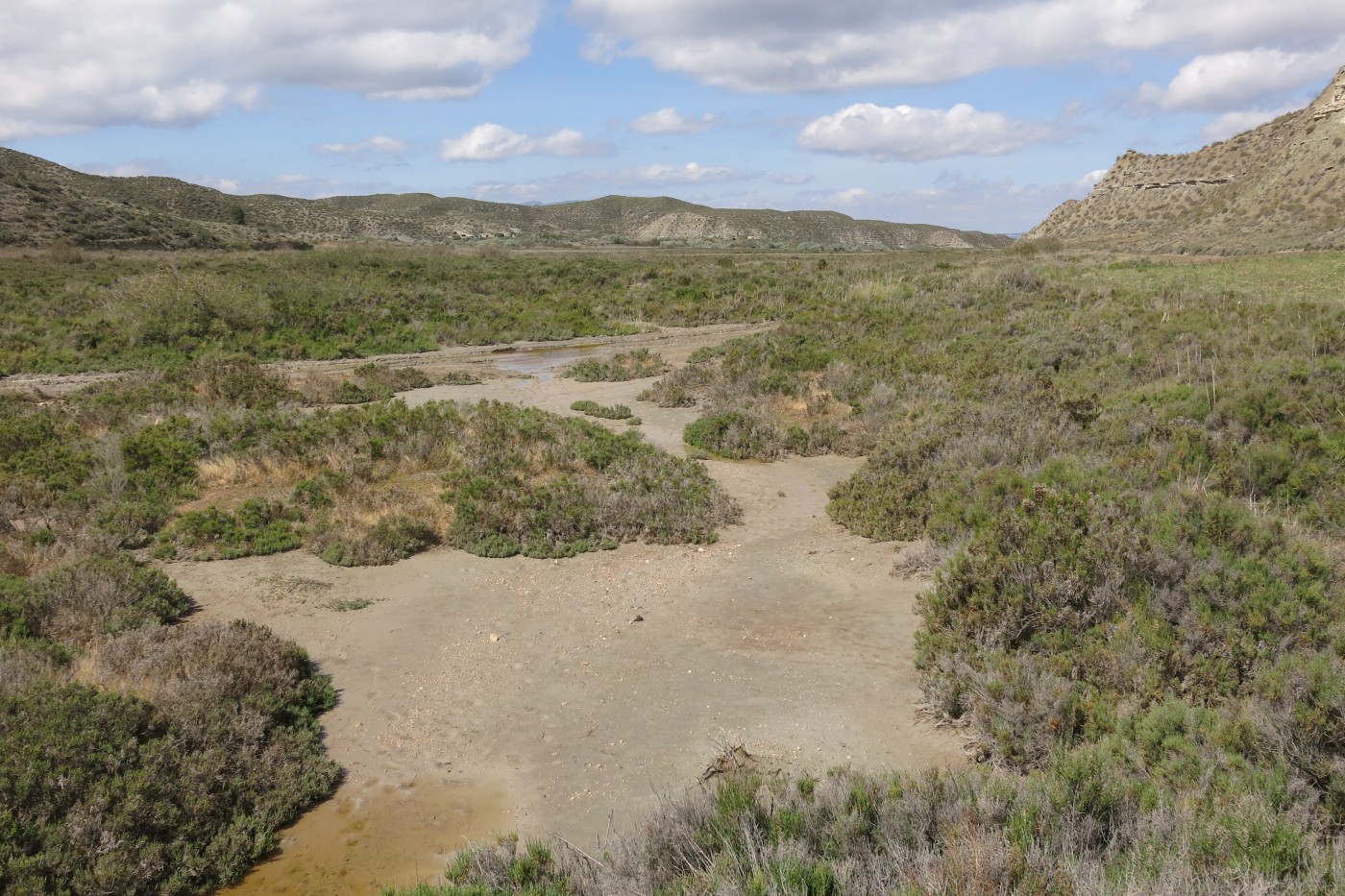
DAY 4 : Badlands and traditional agriculture
The day is dedicated to exploring the depression between the Sierra Nevada and the Cazorla-Segura mountain ranges. The Hoya de Baza is full of quaternary sediments subject to a strong erosion process. The landscapes are majestic and extremely dry. We will explore
DAY 5 | Arriving at the Altiplano of Granada
North of La Puebla de Don Fadrique, every centimeter of land has a high biodiversity interest. The
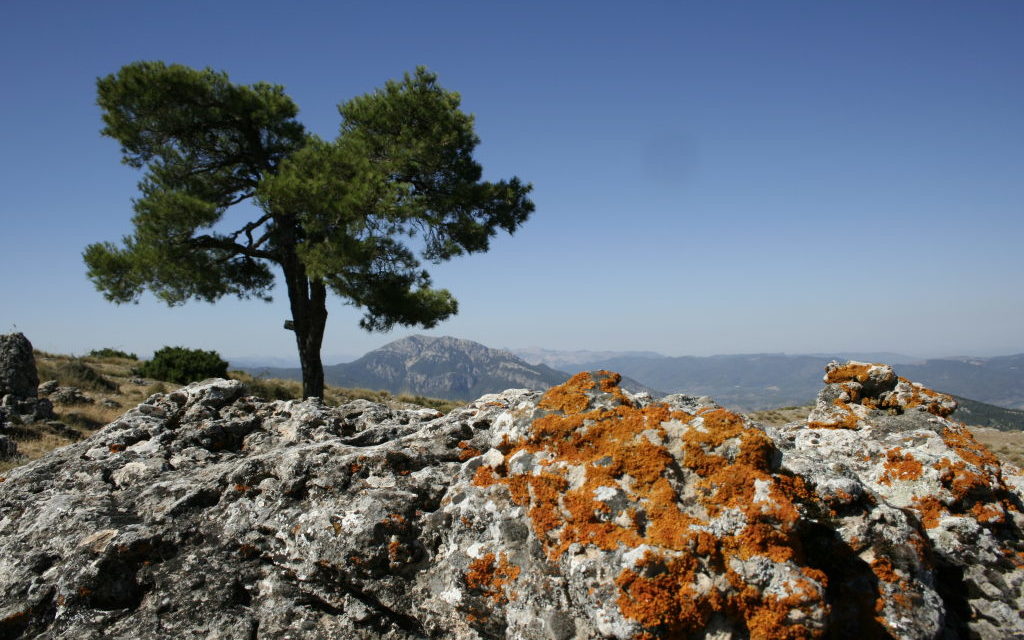
DAY 6 : Sierra Segura
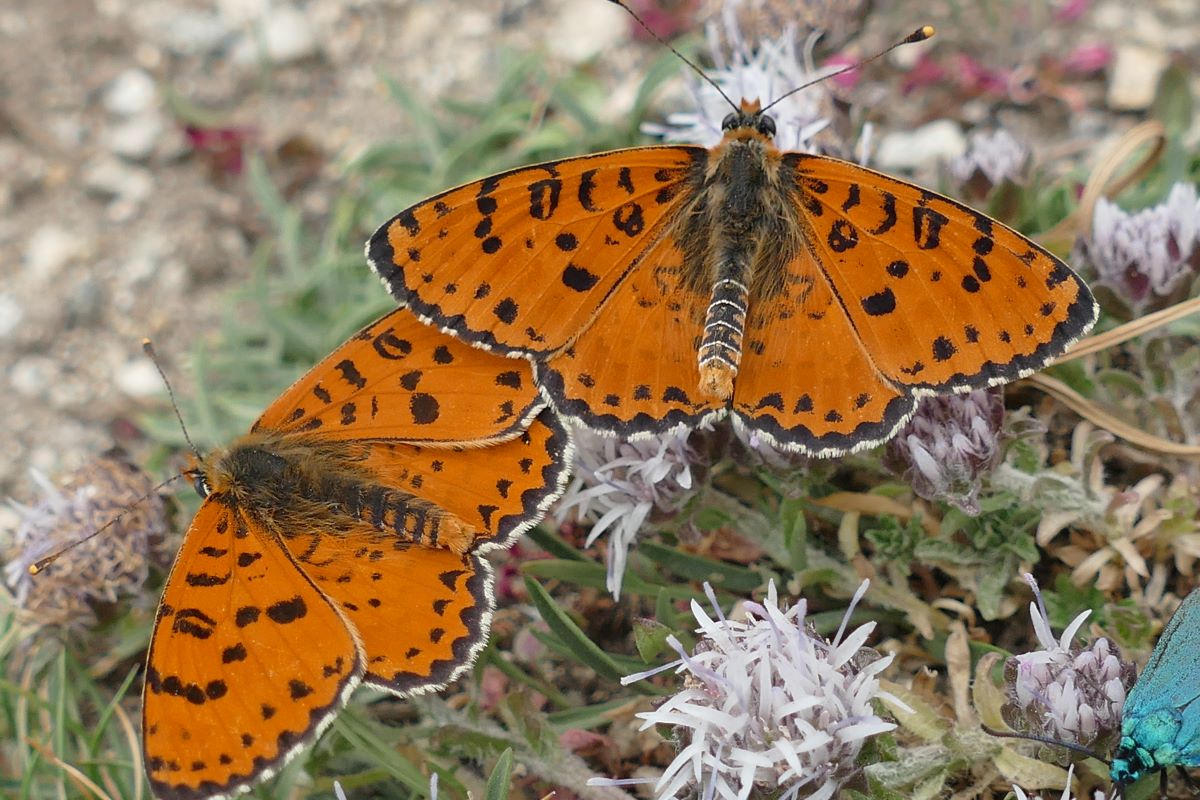
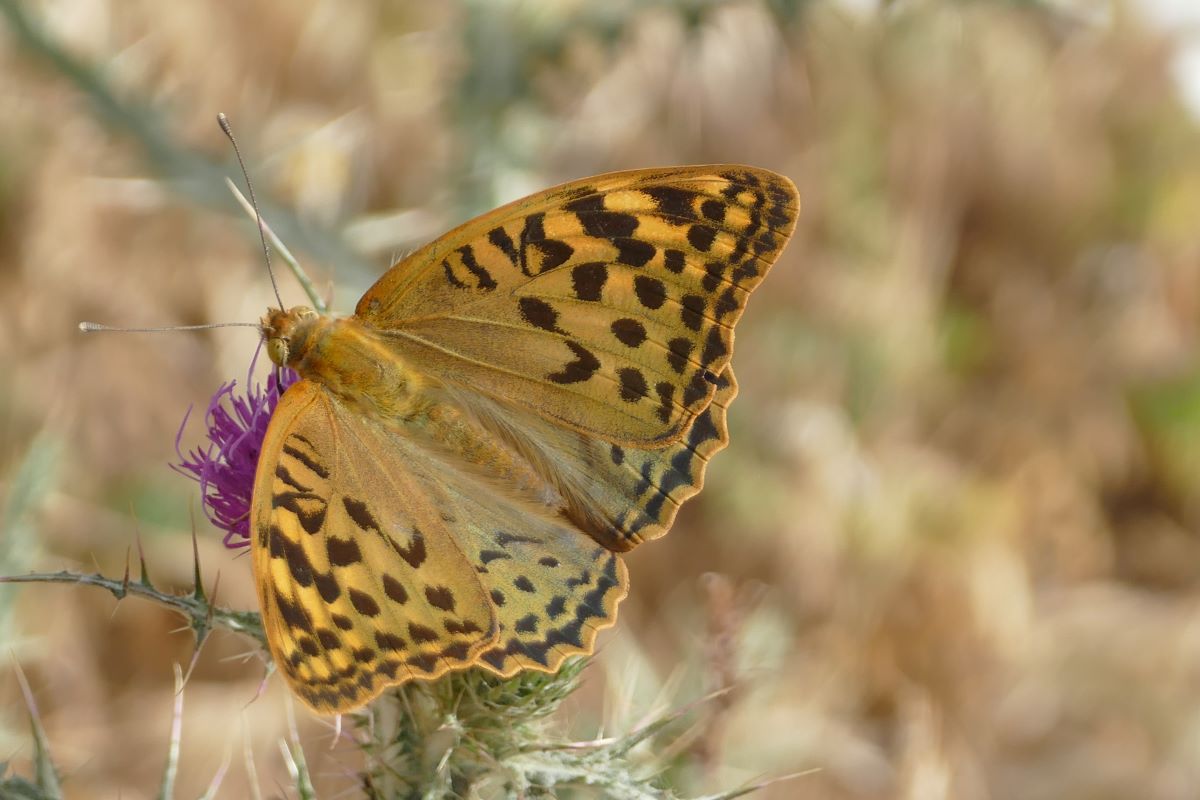
The limestone mountain ranges of Sierra Segura are quite remote, even in Andalusia, and belong to the largest Natural Park in Spain (Cazorla, Segura, Las Villas). The area supports high grazing activity with abundant open pastures and shrubs favorable for lepidoptera. We will enter the famous highlands of Campos de Hernán Perea around 1,600 masl and explore the surrounding reliefs up to 2,000 masl. It is possible to see all the mountain butterflies, especially the large fritillaries (Genus Argynnis and Fabriciana) which are common, with distinctive Iberian subspecies of High Brown (F. adippe) and Níobe (F. niobe); the Cardinal (A. pandora) and Queen of Spain Fritillary (Issoria lathonia) are very much attracted to thistles.
DAY 7 : Las Alpujarras
It’s time to slowly make our way back after this intense nature trip. What better option than to explore Sierra Nevada for the last time in a new privileged enclave. This time, the group will pass the Puerto de la Ragua, at 2,041 meters above sea level, on the border between the provinces of Granada and Almeria, and reach the famous Alpujarras on the southern slope. The well-deserved familiarity with the Andalusian butterflies should be evident and soon you will be able to spot the rare ropalóceros that are missing from our list.
DAY 7 : Return and farewell
This trip is over and we will return home as soon as possible. Transfer to Malaga in the morning.