What you will find in the nature tour
- Birds and branchiopods
- Doñana National Park
- Amphibian night outing

Seville

Winter

Up to 7 days of activity

Private groups
Andalusian wetlands
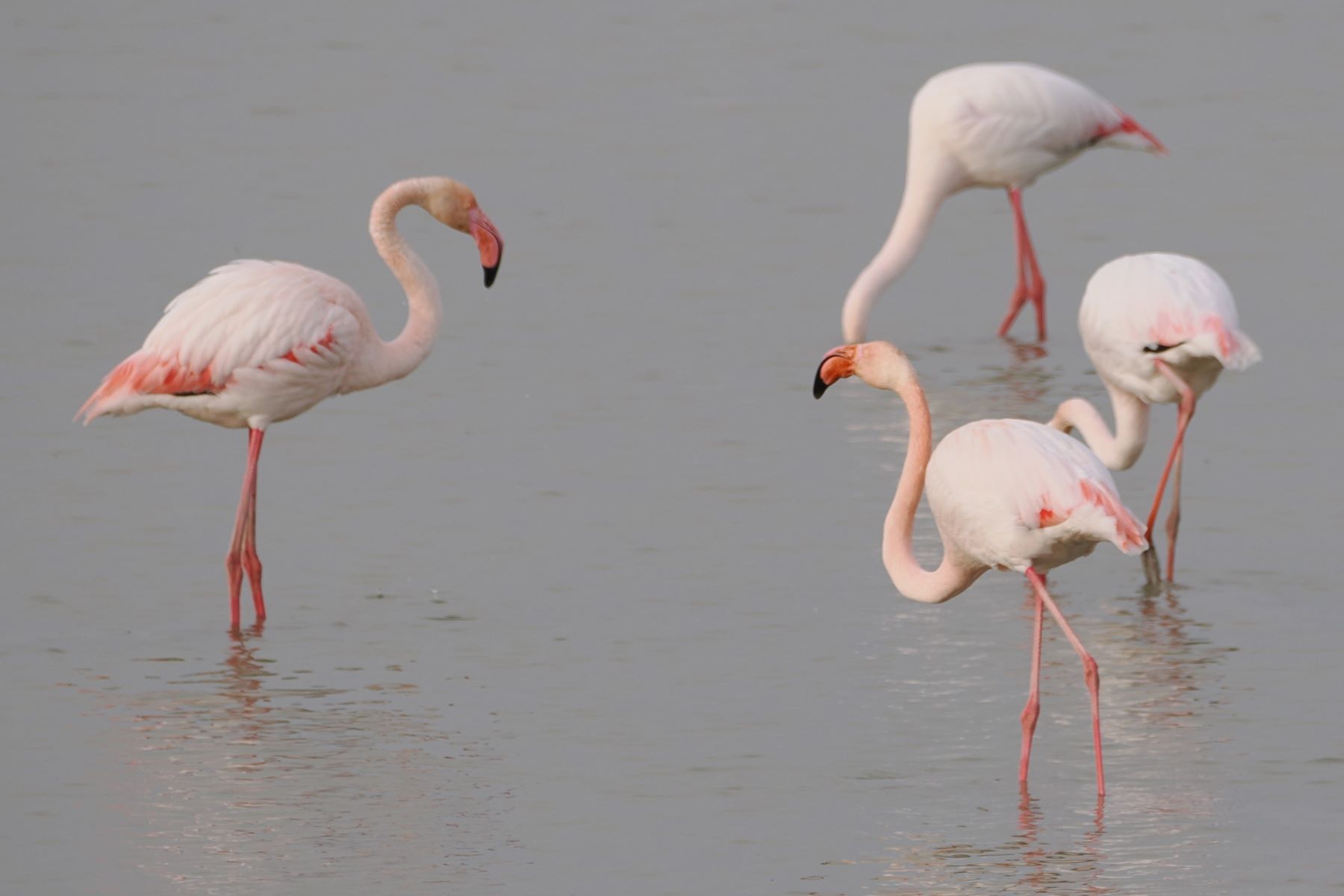
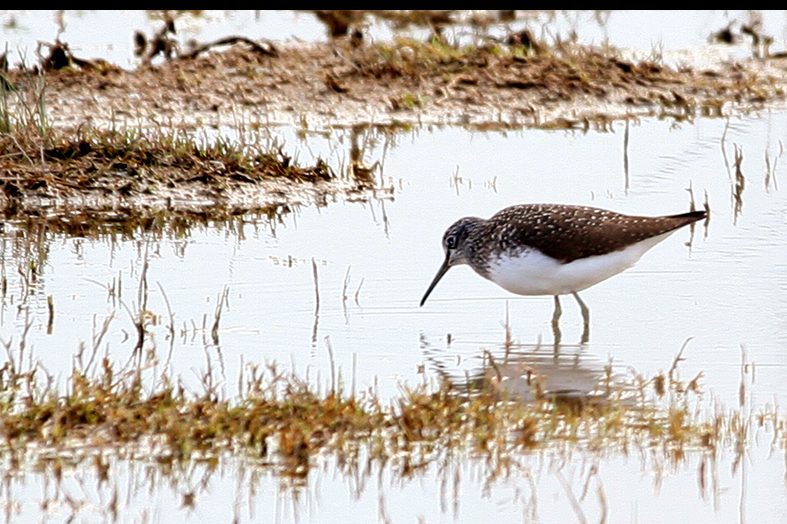
The lagoons of southern Spain usually reach their highest water level in February and then begin to dry up and disappear for the most part in late spring. Places of international importance such as Doñana are full of species… But we must look for amphibians in other areas. Wintering waterfowl are abundant and colonize even the smallest water points.
Wetland fauna
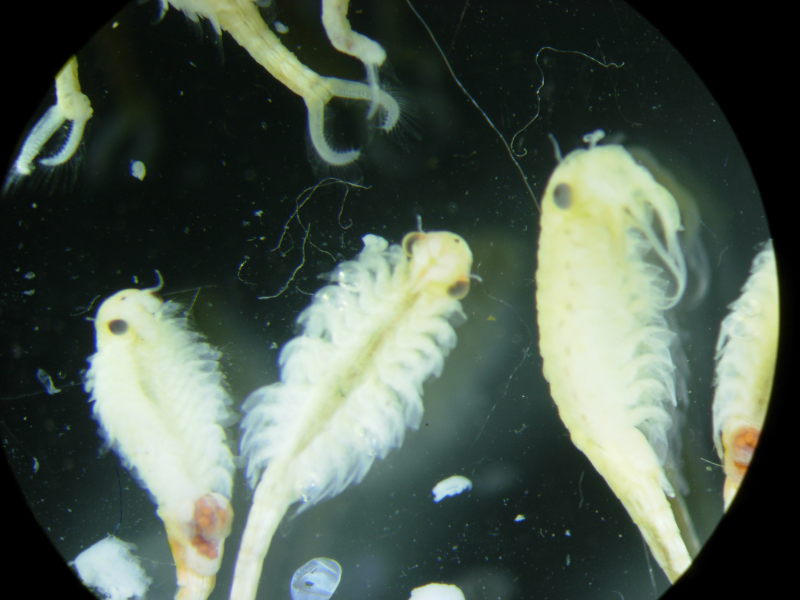
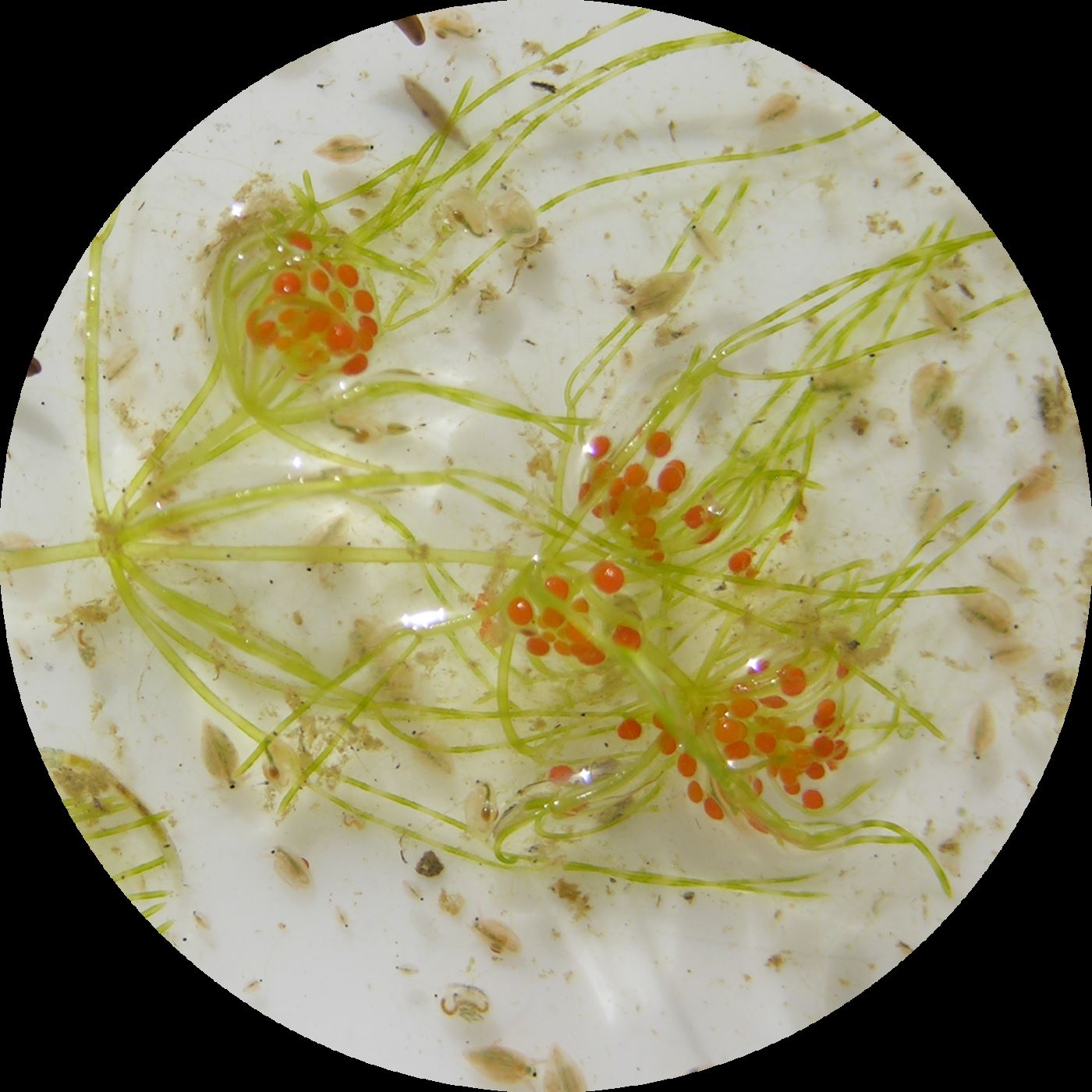
They are not alone! 16 species of amphibians – 10 endemic to Iberia – inhabit the ponds and temporary waterways of Andalusia. Equally extraordinary and much less known, branchiopods, obligate inhabitants of temporary waters, are not rare in the region.
Insects
They are accompanied by other more generalist aquatic invertebrates. It is not uncommon to observe dragonflies such as the Common Darter (Sympetrum striolatum) or the Vagrant Emperor (Anax ephippiger) at the end of the season.
More biodiversity
A few highly specialized species of aquatic ferns complete this picture of the fauna and flora of Mediterranean aquatic ecosystems.
Aquatic species in Spain


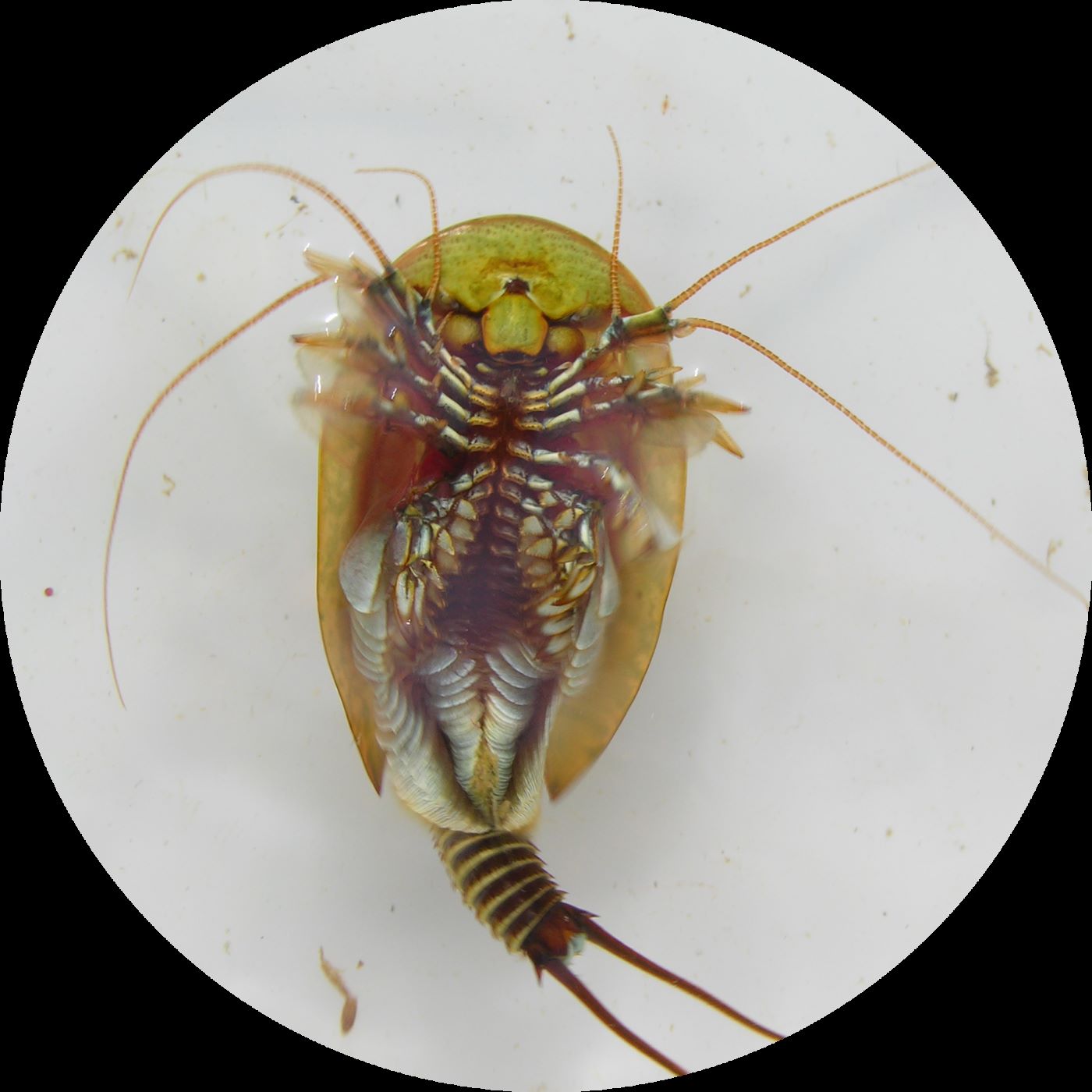
Private Tour Wetlands of Southern Spain
Tour variants and options
The tour can be adjusted according to convenience.

The “plus”. The discovery of Seville and Cordoba, two historic cities with a rich artistic heritage and a surprising urban biodiversity. We will stay two nights under an authentic thatched roof. Bonus: visit to an excellent bustard biotope.
Includes
- Specialized professional guide
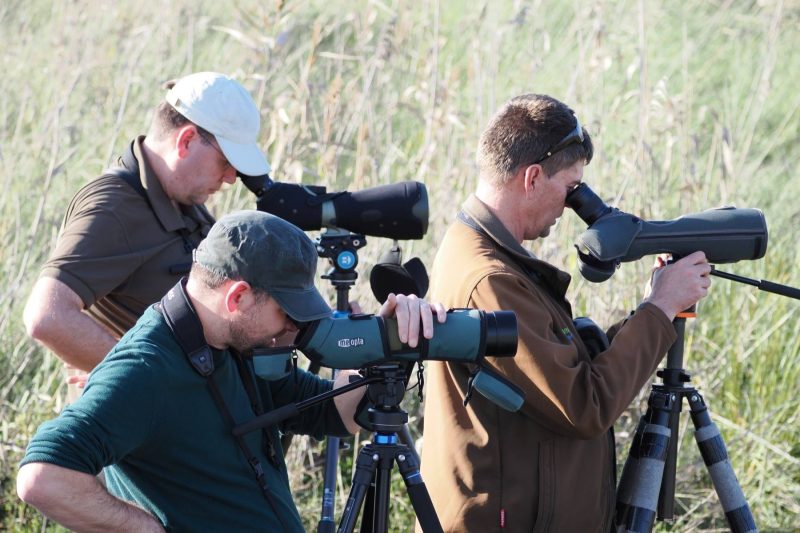
- High-end telescopes
- High-end binoculars
- List of potential species
- Door-to-door passenger pickup/destination
- Accident insurance
Program for a 6-day tour

DAY 1 : East Arm
South of Seville, the Guadalquivir River creates a vast complex of wetlands: Doñana. We will visit some of the most interesting localities on the left bank, often less crowded. First we will approach the most important temporary ponds in Andalusia for the large branchiopods. Afterwards we will head to the Brazo del Este Natural Park where a great variety of waterfowl and waders awaits us.
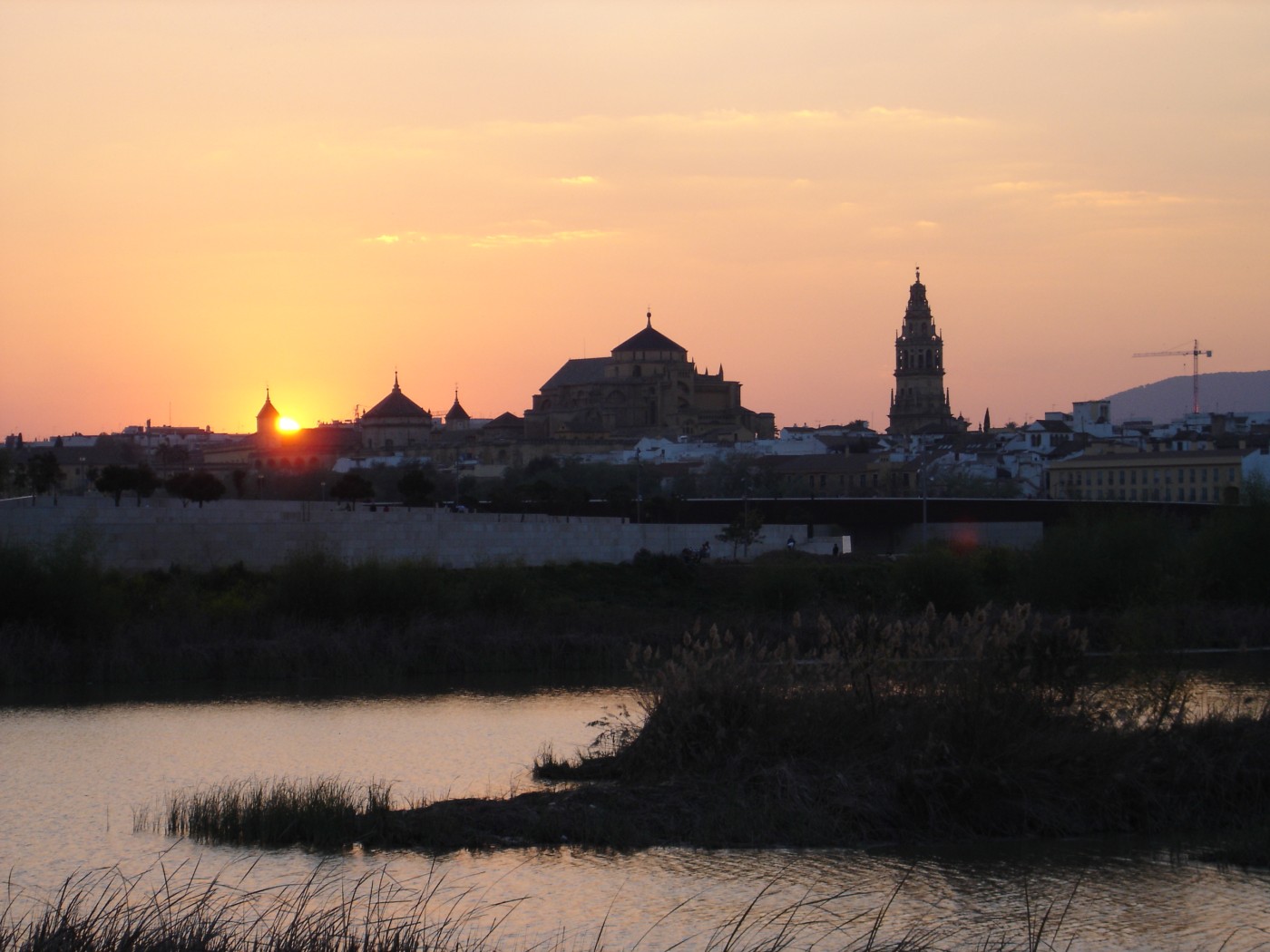
DAY 2 : Guadalquivir Valley Lagoons and Cordoba
Day dedicated to explore one of the largest European agricultural plains, dotted with wetlands (Osuna, Lantejuela, Fuente de Piedra, among others), an area where you can observe both waterfowl and steppe birds. We will arrive in the afternoon in the city of Cordoba, where we will spend three nights and visit the old town and the Natural Monument Sotos de la Albolafia. This season is the most favorable for otter watching in the Guadalquivir.
DAY 3 | Amphibians of Sierra Morena
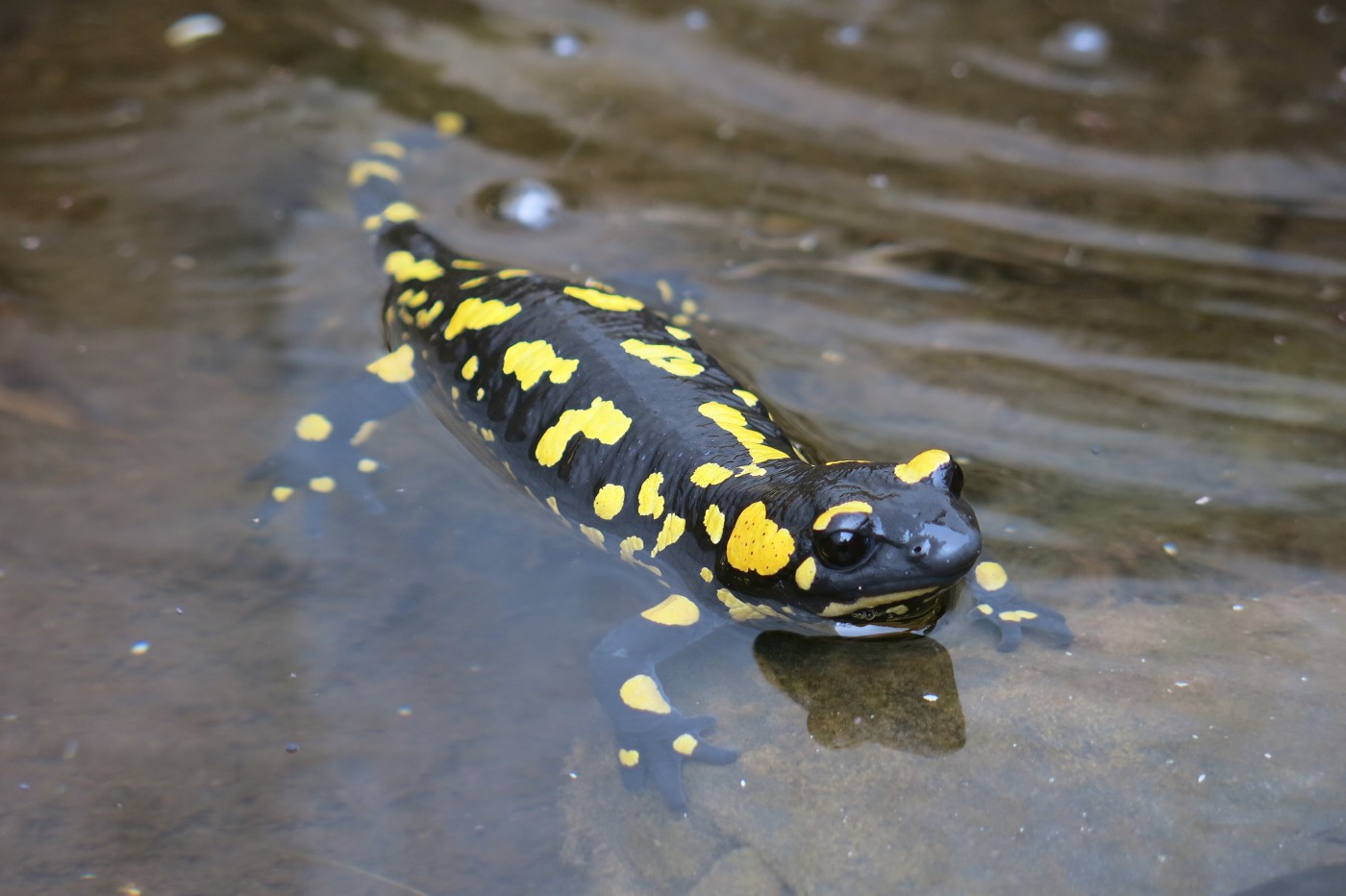
Day dedicated to amphibians and their habitats (we will look for up to 9 species). We will visit the ponds around Cordoba in the morning and early afternoon, returning early for a break. Later, from 20:00 to 23:00 hours, we will go on a night excursion focused on detecting amphibians in their breeding sites. The salamanders of Sierra Morena are surprising for their unusual coloration pattern.

DAY 4 | Taste of Extremadura
We head north to the Alto Guadiato Important Bird Area (on the border with Extremadura), where we will search for flocks of Common Cranes and Great Bustards and sample new pools to complete our study of invertebrates. On our return to Córdoba, we will not miss the arrival of the cranes to their roost (Sierra Boyera reservoir), an unforgettable experience.
DAY 5 | Doñana, El Rocío
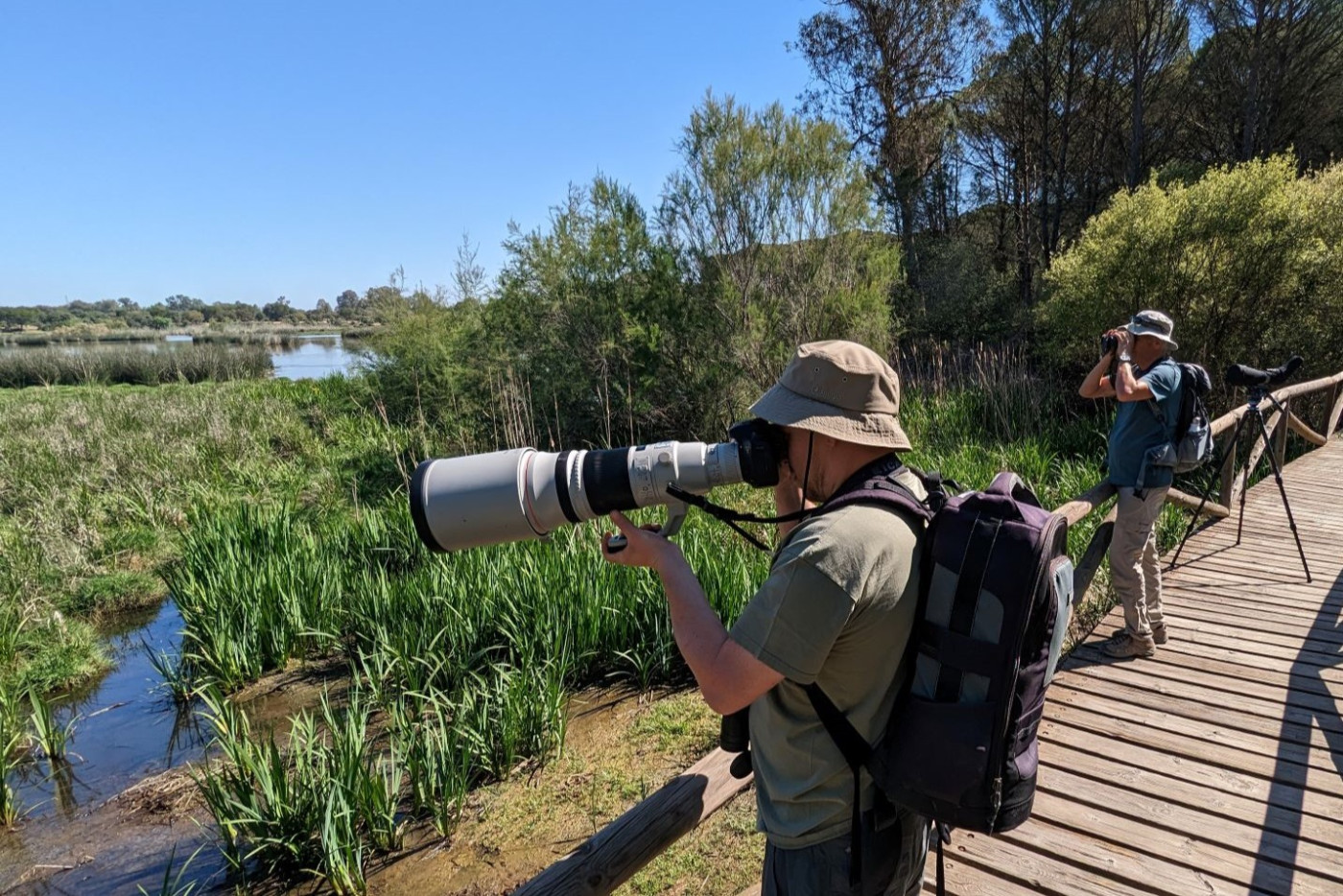
The morning will be free, to rest from the previous intense days, take a hiking route along the Guadalquivir River or stroll through the old town and perhaps visit the famous monument of the Mosque-Cathedral. In the afternoon we will travel again to the most prestigious wetland in Spain: Doñana. We will head to El Rocio, the emblematic village and spend two nights in a magnificent hotel with a traditional thatched roof.
DAY 6 | Classic bird watching in Doñana
Northern area of Doñana. Visit to classic ornithological sites: Dehesa Abajo, Valverde Observatory, Guadiamar. End of the trip in the afternoon and return to Seville.