


Field ornithology and nature observation have experienced an impressive development since the 1990s. The transformation of practices and their diffusion in society have broadened the interested public. Some key milestones in amateur ornithology are presented.
Recent stages in amateur ornithology
1. Lars Jonsson and Svensson: The pinnacle of traditional field guides.
The publication of the illustrated guides by Lars Jonsson and Lars Svensson marked a milestone in European ornithological publishing. Heirs to the “Peterson Field Guide” (1934), they were distinguished by the delicacy of their illustrations and the updating of knowledge for identification, including plumage variations according to age, sex and season. These works enabled a generation of amateur ornithologists to perfect their identification in the field.

2. Democratization of ground-based telescopes: observing without disturbing.
Since the 2000s, spotting scopes have become accessible to a wider public. Their optical quality and portability offer the opportunity to observe birds from a distance, while respecting their tranquility, and to access details previously reserved for professional ornithologists. Models adapted to all budgets have broadened the audience.
3. Digiscoping: immortalizing and sharing observation
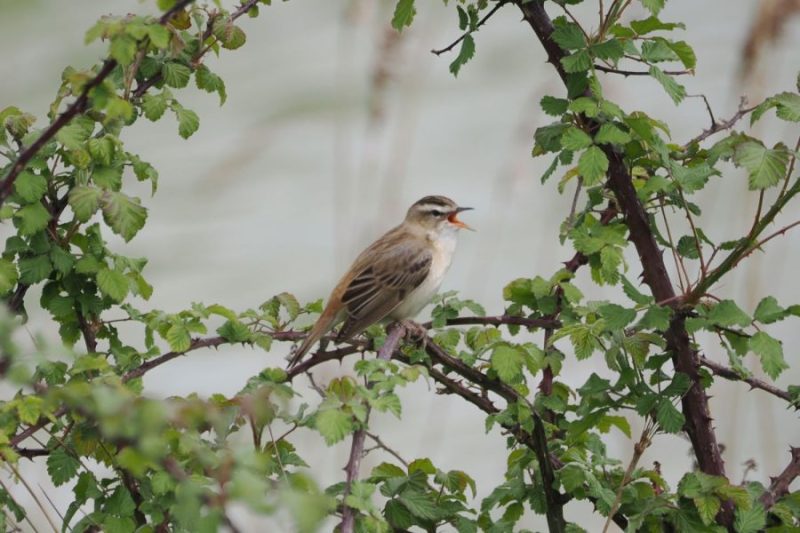
The practice of digiscoping (photographing with a ground-based telescope) became especially popular with the rise of smartphones. Amateurs can now easily document and share their observations by transforming the telescope into a powerful telephoto lens. Initially, digiscoping was primarily useful for documenting rare species and studying more complex plumages. It quickly became popular, broadening the audience for nature photography.
4. Digital photography: nature at your fingertips
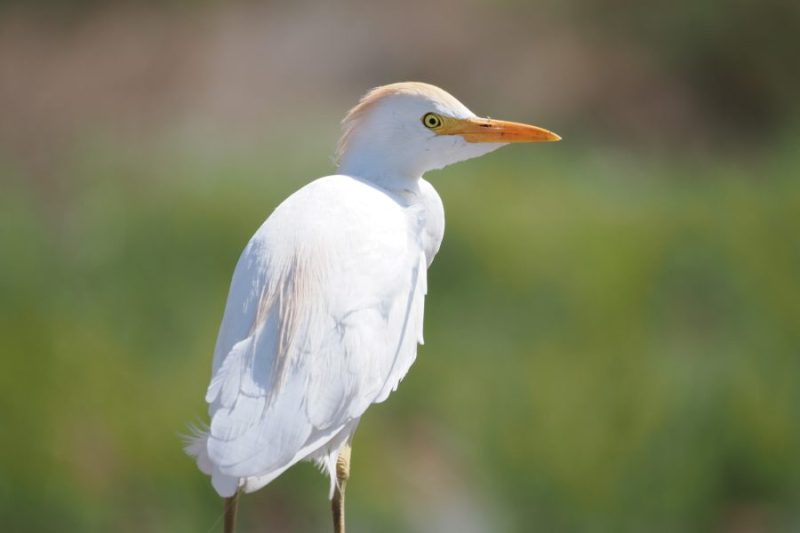
The advent of digital technology allows a wide variety of shots without cost restrictions. Nature photography, once reserved for professionals, has greatly expanded its audience. Improved autofocus, high definition, and the availability of affordable telephoto lenses are driving the popularity of bird photography. In the field, cameras rival telescopes and are even becoming more common in observatories.
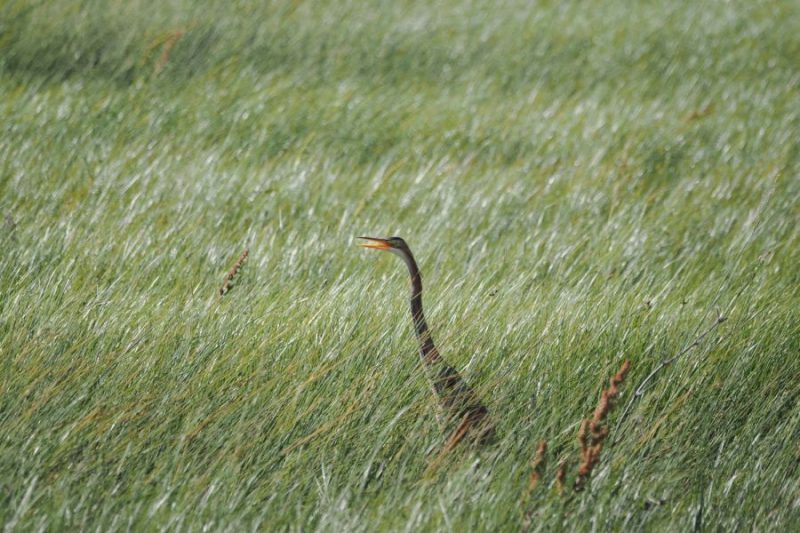
5. eBird and collaborative platforms: citizen science on a large scale.
The emergence of biodiversity platforms such as eBird orObservation.org revolutionizes the collection and sharing of naturalist data. Any amateur observer can now record, archive and share their observations, contributing to a huge global database that is used instead of being limited to their personal field notebook. The amateur ornithologist becomes a key player in citizen science and ecological monitoring.
Latest breakthrough in nature observation
6. Merlin et al.: sound recognition in the field
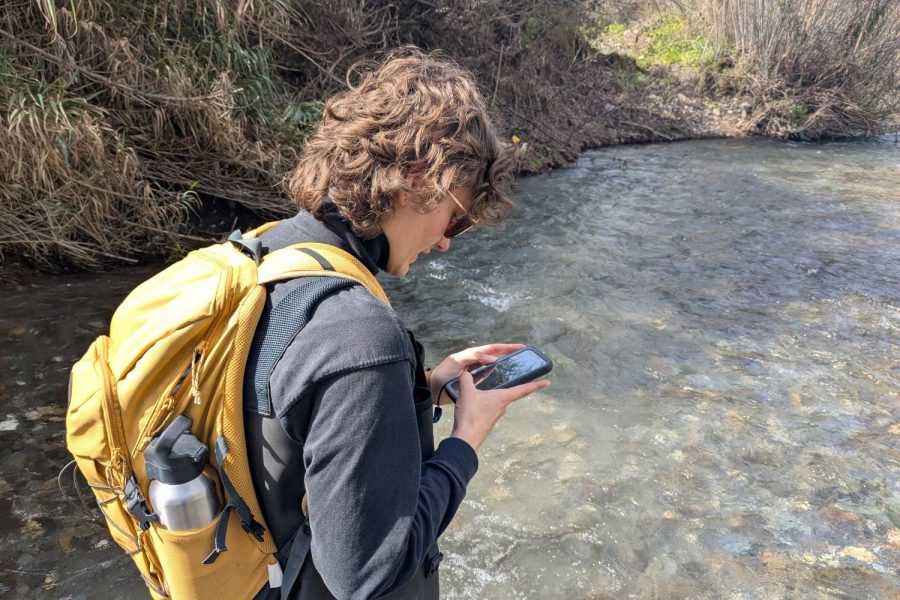
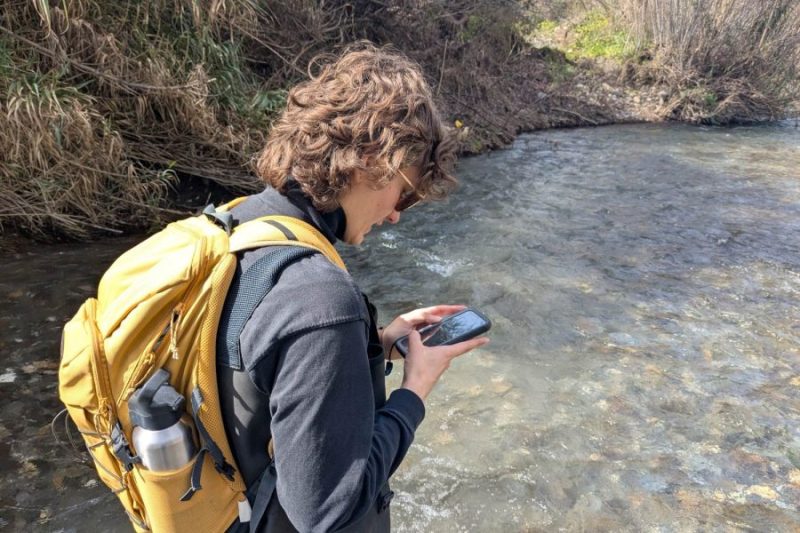
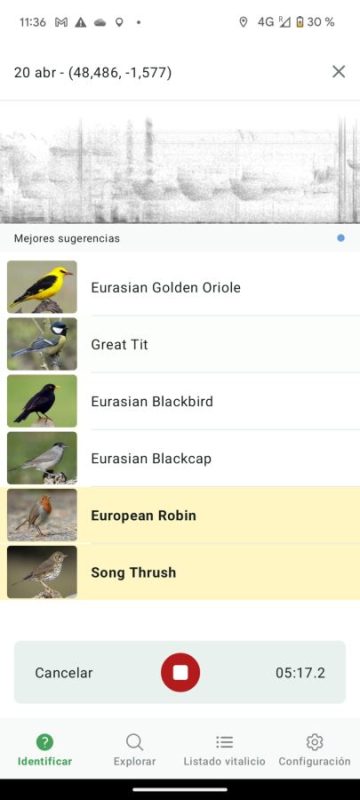
The latest breakthrough for birders, in my opinion, has been the advent of apps like Merlin Bird ID, which integrate automatic recognition of bird songs and calls, particularly in the field. Using the microphone and geolocation of smartphones, the Merlin application provides a real-time list of possible species, with reference records for verification. This technology opens a new era where sound identification becomes accessible to all.
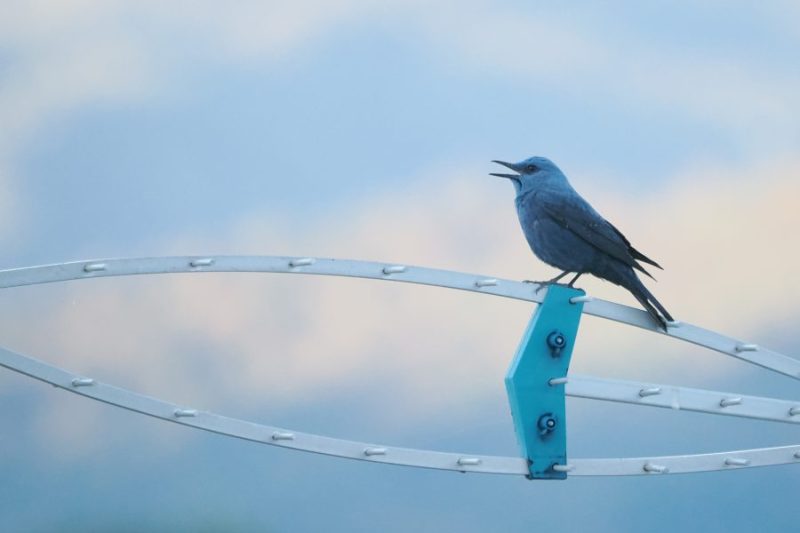
One only has to compare the textual descriptions of songs in traditional guides with the current capabilities of these applications to understand the magnitude of the change: in the field, I now use Merlin regularly to identify unknown sounds, clarify nagging doubts, and check whether certain species detected by the application are missing from my own list of observations.
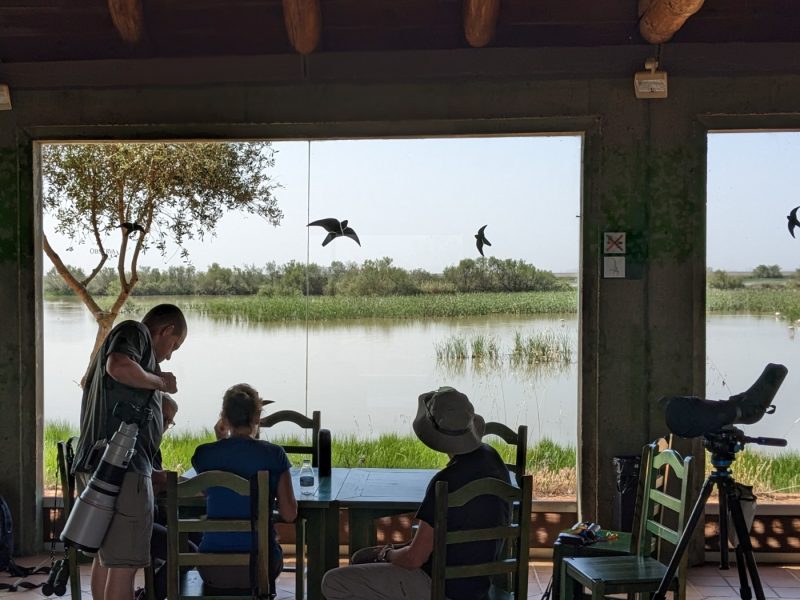
A very practical method, especially for beginners, is to set up at a bird observatory and place the phone on the edge of an opening. This convenient position allows you to listen to the songs detected by the application (which identifies the species present in real time via the phone’s microphone) while observing the birds with binoculars. It also allows you to have a list of species to watch out for as they are often heard before the birds are seen. Of course it enriches the birding experience and makes it easier to learn the songs. Phone microphones are very powerful and have an amazing ability to pick up the sounds of the environment.

The recording function allows you to keep track of the songs. Obviously, it is necessary to control the file size to avoid clogging the memory. The complete list of detected birds is displayed on the screen and allows to contrast the data of a bird transect, for example. We can be sure that soon automatic recording stations will replace humans in monitoring common species on a large scale.
Even more surprising is that the recording function allows us to archive conversations we have during birding trips with friends and colleagues. After months and years have passed, we can refer back to the recording. Listening to beloved voices evokes powerful memories of their presence. Emotions guaranteed.
Leave a Reply