


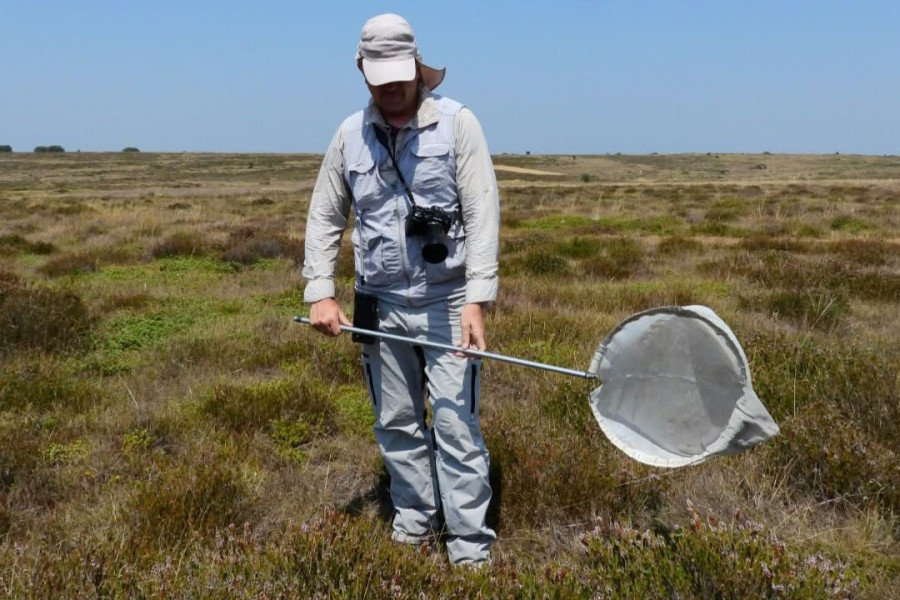
Colleagues, travelers, and friends from abroad often point out to me that, even though we’re very used to the heat in southern Spain, they’re surprised that we wear clothes that look so hot. The sun is a major draw for visitors to Andalusia… though seasoned travelers know all too well that it’s better to protect yourself than to expose yourself to it.
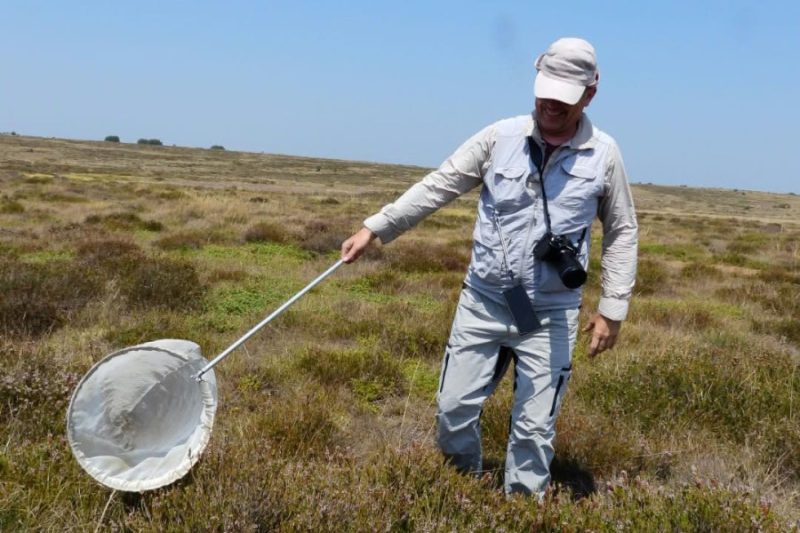
In the hiking culture that originated in Northern Europe—and particularly in high-mountain environments such as the Alps—the hiker’s main enemy is the combination of cold, damp weather and the sweat produced by intense physical exertion, a risk that is magnified by sudden changes in altitude and weather conditions.
The layering system for hiking
To combat this danger (which can quickly lead to hypothermia), the classic approach has been the layering system, commonly known as the “onion technique. “
- Base layer or “second skin”: Absorbs moisture. Its purpose is to wick sweat away from the body and, if possible, transport it outward. Cotton should be avoided at all costs, as it retains water, cools you down, and accelerates the loss of body heat.
- Mid-layer: Provides insulation. The goal is to create a thermal barrier that traps body heat, using garments such as fleece or thick wool sweaters.
- Outer layer: Provides protection from the elements. Today, it consists of windbreakers with technical, breathable membranes that keep out water and wind; ideally, their microscopic pores allow water vapor to escape.
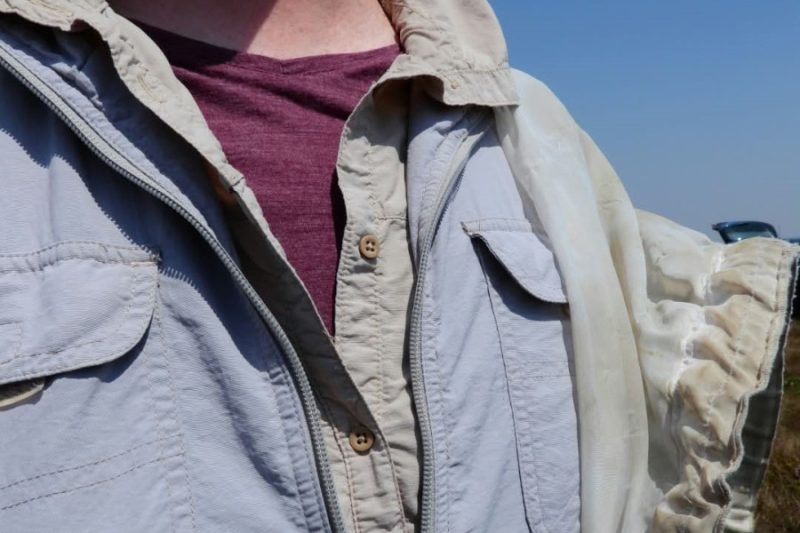
Each of these layers is part of a specialized market for technical gear. When planning a single full-day hike, it’s enough to understand the concept and adapt it using clothes we already have at home, without falling into the trap of consumerism.
The layering system is the foundation, but we’re going to adapt it to Mediterranean climate conditions, especially with those who head out into the countryside in mind—people who spend much more time observing than hiking intensely. Summer temperatures typically exceed 40 °C at midday, although nature itself actually guides us into the shade, since very few species are active in this heat… for example, the Yellow-viened skimmer Orthetrum nitidinerve.
The total flops left in the closet…
- Synthetic fabrics derived from petroleum have the advantage of drying quickly, but the Mediterranean sun does this job wonderfully too, and if you have to choose, all you need is a spare inner layer. The worst thing about synthetic fabrics is how quickly they start to smell bad from sweat soaking into them… and I hate them. The real question is, who wants to dress in plastic bags?
- Gore-Tex-style jackets: They’re not much use around here… Rain is usually light and barely gets you wet, or, on the contrary, it’s pouring, and for safety reasons, you have to get out of the rain as quickly as possible. Another major drawback is that they’re very expensive, and, honestly, spending money on these items, which get snagged and torn quickly anyway from rubbing against vegetation, isn’t a priority. A thin, inexpensive windbreaker takes up little space and works well in most situations. People in the countryside often take an umbrella with them when the weather is unpredictable.
- Synthetic underwear: As we’ve already seen, the worst polyester clothing is underwear—especially briefs, panties, or boxers. Don’t underestimate the discomfort and chafing caused by damp synthetic clothing, especially after several days on an expedition.
- Sunscreen: I’m not a big fan of sunscreen, which is usually applied in excess. When used improperly, it leaves the skin feeling greasy, and it even contains chemicals (such as oxybenzone) that are that are harmful to our bodies and to the environment—especially aquatic ecosystems, which are already so badly damaged in the Mediterranean. In my opinion, even though it’s useful, sunscreen shouldn’t be the primary form of sun protection.
The Three Layers in the Mediterranean Climate
Our climate is mild and (somewhat) humid in winter; hot and dry in summer. The important thing to remember is that Spain is a mountainous country where we’ll often encounter very changeable conditions. Therefore, you need to be prepared for both heat and cold, depending on the season and altitude—sometimes even within the same day.
In fact, we’ll alternate between traditional hiking clothes for cold weather and clothing better suited for the desert, especially when we’re doing fieldwork in the spring and summer.
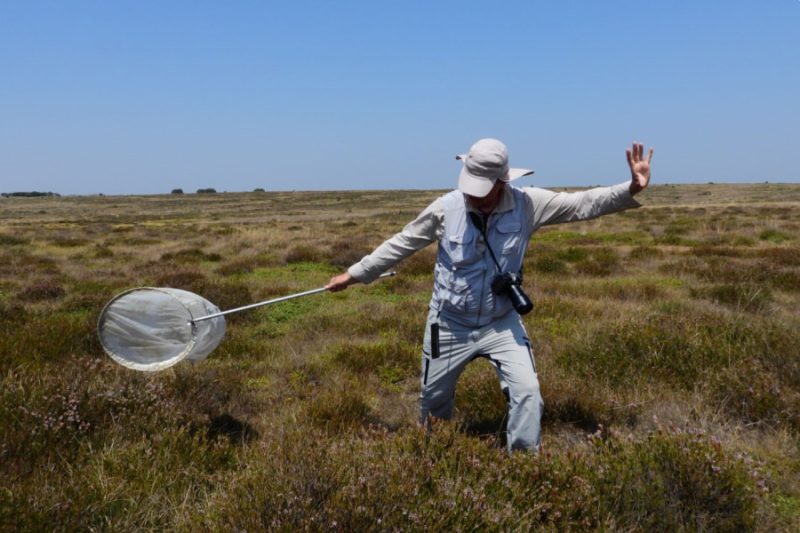
Basic sun protection in the Mediterranean involves wearing long sleeves and exposing as little skin as possible to the sun (yes, just like people in the desert do). That’s where the clash of civilizations occurs because, to put it simply, Northern Europeans come looking for sun and warmth and end up getting sunstroke—something that can happen to all of us to a greater or lesser extent and is no joke. Indeed, the most serious factor is simply prolonged exposure to the sun, and the solution isn’t to change your T-shirt every day, but rather to make sure you wear long sleeves… pants and a long-sleeved shirt (“Ozú”, it’s so hot!).
The three-layer principle is followed even in a Mediterranean climate
That’s where we follow the three-layer principle: a base layer undershirt that wicks away sweat (and minimizes moisture buildup in the second layer), a shirt that serves as a hybrid layer (mid-layer and/or outer layer depending on the situation—that’s why we’re smart about life) and, in spring and fall, a basic, very lightweight windbreaker tucked away at the bottom of the backpack. Finally, the outfit is rounded out with a good, heavy jacket that will come in more than handy during winter outings, nighttime hikes, and/or trips to the mountains.
Choosing a backpack is a very personal decision because it depends on the gear you’re carrying, but it’s well worth making sure it’s waterproof and meets the insulation requirements of the third layer.
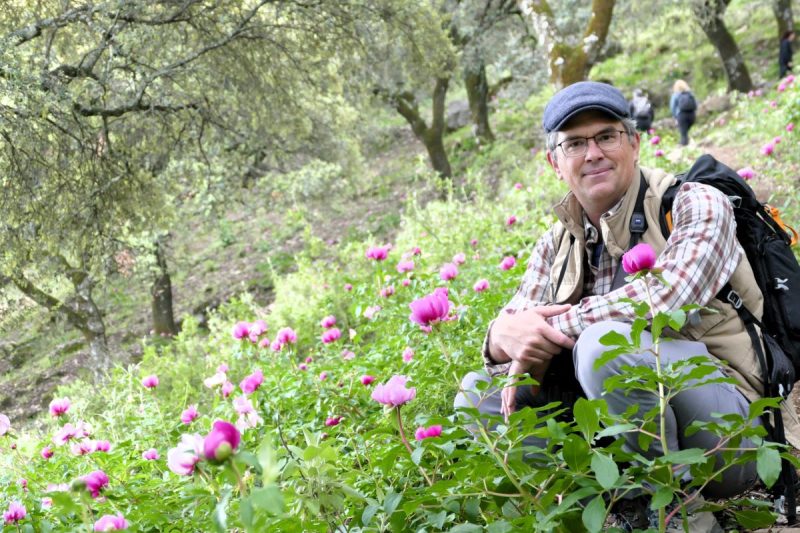
My Favorite Outdoor Clothes
Shirts of all kinds, always long-sleeved
Especially in winter, I wear plaid shirts—typical of the “señoritos” from Andalusia and Extremadura—paired with the flat cap that country folk wear in southern Spain. That way, I feel right at home, part of the local scene, like a man with a mountain soul and a sense of elegance. It must be said that these caps get lost very easily because they take up so little space and are often left behind in any bar… my favorites are made of fine leather.
When the heat intensifies, clothing becomes lighter, shifting to thin shirts and travel wear designed for desert and arid climates. These lightweight garments, which are light-colored to prevent heat absorption and feature wide ventilation openings, now come with UV protection (UPF 40) and offer maximum protection against the sun’s rays. Ideally, choose a loose-fitting garment with sleeves that are long enough to cover even the back of your hand.
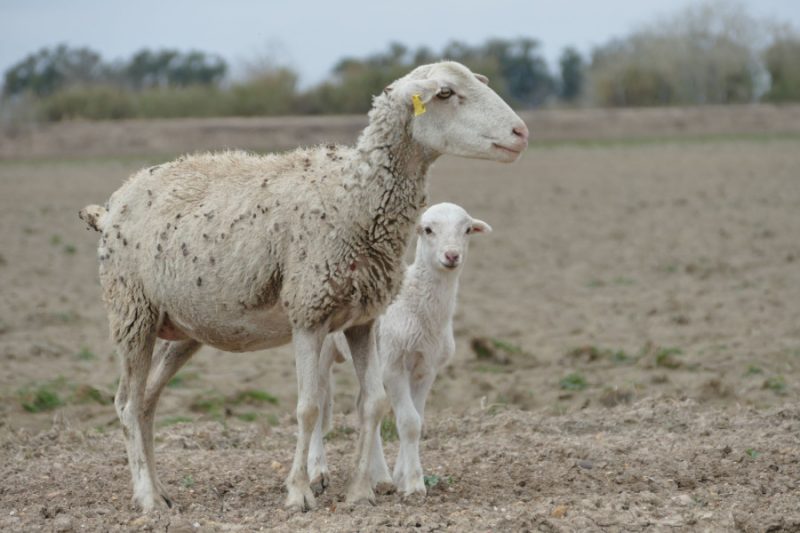
Merino wool underwear
For several years now, merino wool has established itself as a benchmark for outdoor activities and, quite possibly, as the highest-quality fabric. It is spun using machines that produce an extremely fine fiber that is very soft, so it rarely causes any itching. The wool’s thermal properties are excellent, and its antibacterial qualities help prevent unpleasant odors. Even though they’re quite a bit more expensive, it’s worth spending the money on merino wool T-shirts and socks. Lately, I’ve even been seeing underwear made from this material, and it’ll probably be one of my next purchases… As a side note, it’s worth mentioning that practically all merino wool comes from Australia and New Zealand these days, even though the breed is of Spanish origin and its sheep are still grazing along the roadsides throughout both Castiles.
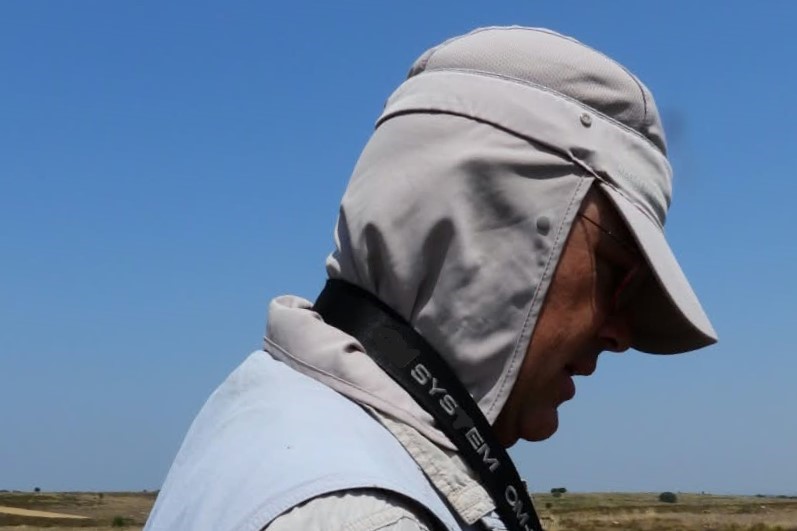
Full cap
As soon as the scorching sun comes out, it becomes absolutely essential to protect your head, ears, neck, and forehead… Set aside the typical flat-brimmed cap and switch to a full-brimmed cap or hat, such as a “Saharan” style, with a back brim that protects both from the sun and from chafing caused by the straps of binoculars and cameras. When we’re well covered by clothing, the need for sunscreen is minimal, limited only to the backs of the hands, the nose, and the cheeks.
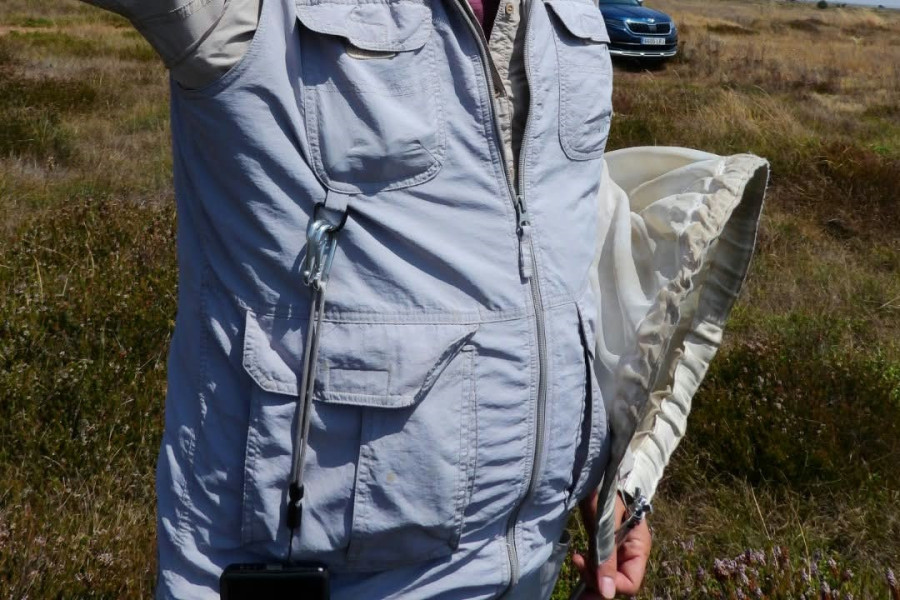
Fishing Vest
Anyone who knows me has probably seen me often wearing a sleeveless vest with lots of pockets—the kind typically worn by photographers. I’ve found that the most useful and stylish ones are fly-fishing vests, especially since nobody carries film rolls anymore. These vests, with ventilation in the back and multifunctional pockets, are the most practical way to carry small gear out into the field…though you always have to be careful when you bend over. More than once, I’ve dropped my phone or a power bank on the ground (or in the water!). The solution lies in deep pockets with secure closures and using carabiners to hang accessories, keeping your hands free. This jacket, though still not very popular, perfectly completes the gentleman-naturalist look.
Long trousers
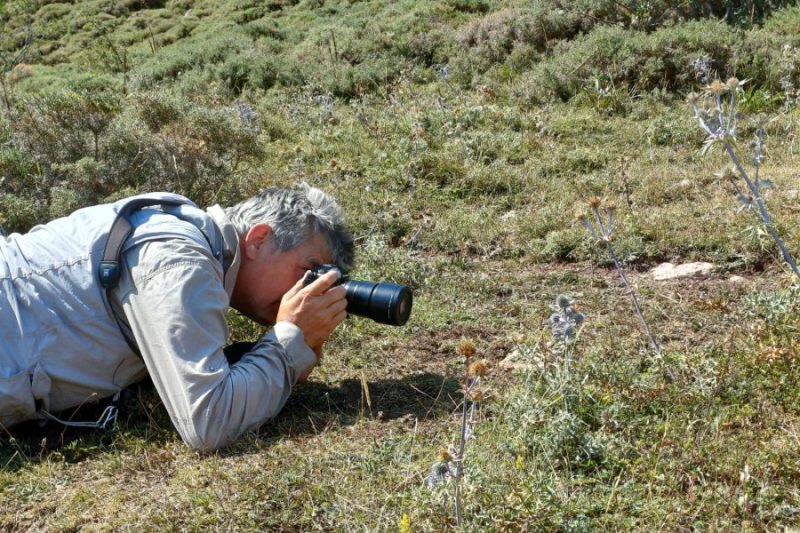
They are absolutely essential. I would never wear shorts among the typical Mediterranean vegetation, which is tough, woody, and thorny. It’s much better to choose clothing that isn’t tight at all—made of loose-fitting fabric with a comfortable cut—that allows for freedom of movement without straining the seams and that protects against scratches from gorse and scrapes from the scrub. As for trousers, synthetic fibers are preferable: they’re lightweight, somewhat durable, and quick-drying. In the Mediterranean, rocky terrain is abundant, and photographers and observers who kneel on the ground will notice this right away. Some use sports knee pads, while others—more resourceful—unpick the lining of their technical pants to insert polyester foam pads for added comfort.
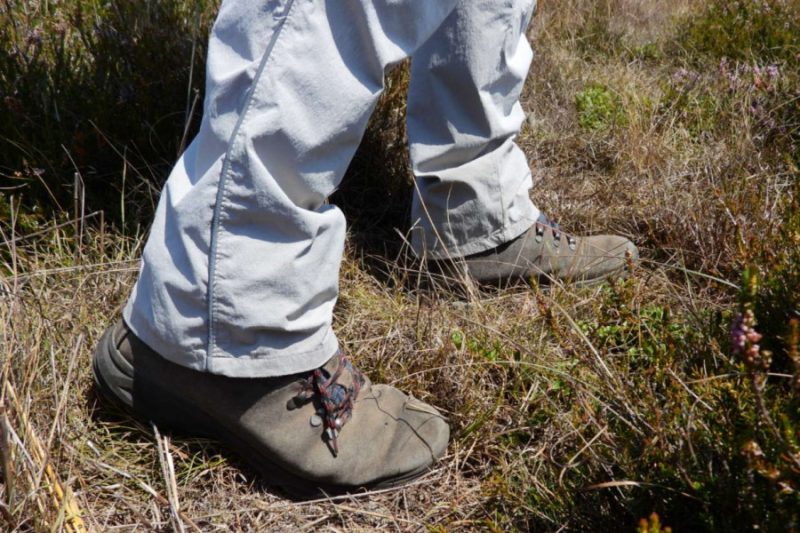
A final note on hiking boots
There’s a big debate in the hiking community between thick boots that (over)cover the ankle and thin shoes that dry easily. Once again, we’re going to go against the grain, because for us outdoor enthusiasts—men and women alike—we’re interested in a different approach… one that focuses, above all, on preventing grass seeds (“spikes”) and ticks from getting into our shoes and socks. Really, do we need to emphasize that pants should be worn over the boots, not inside them?
Personally, unless I have to wade across a river, I almost always wear “mid-cut” hiking boots: ones that cover the ankle but aren’t too heavy. I prefer a nubuck-style finish with minimal seams because a smooth boot—which is easy to clean and looks good—wears out less quickly and is more waterproof. It’s also important to choose a more durable sole, like a Vibram sole, because we’ll be putting the boot through its paces on lots of limestone, slate, and loose gravel. When the sole wears out—because it will, and that’s normal—you can easily have it replaced at a cobbler’s, usually once, extending the boot’s life by a few more years.
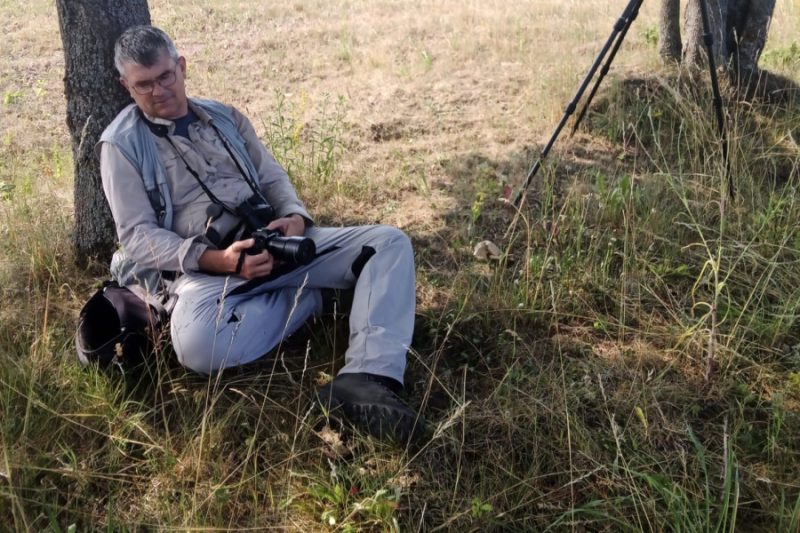
Based on all these criteria, and looking for a Spanish brand (even though production has now been moved to China), my go-to boot is still the Chiruca Xacobeo. This is the only brand I mention in this article; it has been tested for months on damp farmland and in natural Mediterranean ecosystems.
Leave a Reply