


[et_pb_section fb_built=”1″ admin_label=”section” _builder_version=”4.4.8″ background_color=”#d6d6d6″][et_pb_row _builder_version=”4.4.8″ background_size=”initial” background_position=”top_left” background_repeat=”repeat”][et_pb_column type=”4_4″ _builder_version=”3.25″ custom_padding=”|||” custom_padding__hover=”|||”][et_pb_text admin_label=”Titulo” _builder_version=”4.4.8″ hover_enabled=”0″ locked=”off”]
[Spanish] La Nutria en Córdoba, situación tras el IV sondeo nacional
[/et_pb_text][et_pb_divider divider_weight=”1px” admin_label=”linea separacion” _builder_version=”4.4.8″ background_color=”rgba(0,0,0,0)” locked=”off”][/et_pb_divider][/et_pb_column][/et_pb_row][et_pb_row column_structure=”1_5,1_5,3_5″ _builder_version=”4.4.8″ background_size=”initial” background_position=”top_left” background_repeat=”repeat” custom_margin=”-40px||||false|false”][et_pb_column type=”1_5″ _builder_version=”3.25″ custom_padding=”|||” custom_padding__hover=”|||”][et_pb_button url_new_window=”on” button_text=”2017″ admin_label=”PDF” _builder_version=”4.4.8″][/et_pb_button][/et_pb_column][et_pb_column type=”1_5″ _builder_version=”3.25″ custom_padding=”|||” custom_padding__hover=”|||”][et_pb_button button_url=”https://aeaelbosqueanimado.org/wp-content/uploads/2018/04/Prunier-et-al-2017-La-nutria-en-Cordoba.pdf” url_new_window=”on” button_text=”PDF” admin_label=”PDF” _builder_version=”4.4.8″][/et_pb_button][/et_pb_column][et_pb_column type=”3_5″ _builder_version=”3.25″ custom_padding=”|||” custom_padding__hover=”|||”][et_pb_text admin_label=”Autores” _builder_version=”4.4.8″]
Arvícola, 2017, 8: 53-69.
[/et_pb_text][/et_pb_column][/et_pb_row][et_pb_row column_structure=”1_2,1_2″ _builder_version=”4.4.8″][et_pb_column type=”1_2″ _builder_version=”4.4.8″][et_pb_testimonial author=”Florent Prunier” url=”https://www.researchgate.net/profile/Florent_Prunier2″ url_new_window=”on” portrait_url=”https://g3-guides.com///wp-content/uploads/2020/11/Screenshot_2020-11-30-Prunier-et-al-2017-La-nutria-en-Cordoba-pdf3.png” _builder_version=”4.4.8″ link_option_url=”https://www.researchgate.net/profile/Florent_Prunier2″ link_option_url_new_window=”on”][/et_pb_testimonial][et_pb_testimonial author=”Silvia Saldaña” url=”https://books.google.fr/books?id=VhFEETrncwEC&pg=PA1954&lpg=PA1954&dq=silvia+saldana+arce&source=bl&ots=SEDfY8-XdO&sig=ACfU3U1HKWvDjBOU1WvGhm5GvgbIDOEUBw&hl=fr&sa=X&ved=2ahUKEwiBlN216KrtAhVJ6uAKHZtvCygQ6AEwEnoECAkQAg#v=onepage&q=silvia%20saldana%20arce&f=false” url_new_window=”on” portrait_url=”https://g3-guides.com///wp-content/uploads/2020/11/Screenshot_2020-11-30-Prunier-et-al-2017-La-nutria-en-Cordoba-pdf5.png” _builder_version=”4.4.8″ link_option_url=”https://books.google.fr/books?id=VhFEETrncwEC&pg=PA1954&lpg=PA1954&dq=silvia+saldana+arce&source=bl&ots=SEDfY8-XdO&sig=ACfU3U1HKWvDjBOU1WvGhm5GvgbIDOEUBw&hl=fr&sa=X&ved=2ahUKEwiBlN216KrtAhVJ6uAKHZtvCygQ6AEwEnoECAkQAg#v=onepage&q=silvia%20saldana%20arce&f=false” link_option_url_new_window=”on”][/et_pb_testimonial][/et_pb_column][et_pb_column type=”1_2″ _builder_version=”4.4.8″][et_pb_testimonial author=”Manuel Moral Castro” url=”https://www.facebook.com/manuel.moralcastro” url_new_window=”on” portrait_url=”https://g3-guides.com///wp-content/uploads/2020/11/Screenshot_2020-11-30-Prunier-et-al-2017-La-nutria-en-Cordoba-pdf4.png” _builder_version=”4.4.8″ link_option_url=”https://www.facebook.com/manuel.moralcastro” link_option_url_new_window=”on”][/et_pb_testimonial][et_pb_testimonial author=”Juan Carlos Camacho ” url=”https://es-es.facebook.com/camachoaliaga” url_new_window=”on” portrait_url=”https://g3-guides.com///wp-content/uploads/2020/11/Screenshot_2020-11-30-Prunier-et-al-2017-La-nutria-en-Cordoba-pdf6.png” _builder_version=”4.4.8″ link_option_url=”https://es-es.facebook.com/camachoaliaga” link_option_url_new_window=”on”][/et_pb_testimonial][/et_pb_column][/et_pb_row][et_pb_row _builder_version=”4.4.8″ background_size=”initial” background_position=”top_left” background_repeat=”repeat”][et_pb_column type=”4_4″ _builder_version=”3.25″ custom_padding=”|||” custom_padding__hover=”|||”][et_pb_text admin_label=”RESUMEN” _builder_version=”4.4.8″]
[/et_pb_text][/et_pb_column][/et_pb_row][/et_pb_section][et_pb_section fb_built=”1″ _builder_version=”4.4.8″][et_pb_row _builder_version=”4.4.8″][et_pb_column type=”4_4″ _builder_version=”4.4.8″][et_pb_image src=”https://g3-guides.com///wp-content/uploads/2019/12/0002-e1605008019683.jpg” alt=”Otter (Lutra lutra), a mammal in Andalusia. Photo: Enrique Calzado Rivillas.” title_text=”Loutre (Lutra lutra), un mammifère en Andalousie” _builder_version=”4.4.8″][/et_pb_image][et_pb_text _builder_version=”4.4.8″ header_4_font=”Noto Sans JP|500|||||||” header_4_text_align=”right” header_4_text_color=”#0c71c3″ header_4_font_size=”13px” header_4_letter_spacing=”0.6px” header_4_line_height=”1.3em” module_alignment=”right” custom_margin=”-15px||||false|false” hover_enabled=”0″ locked=”off”]
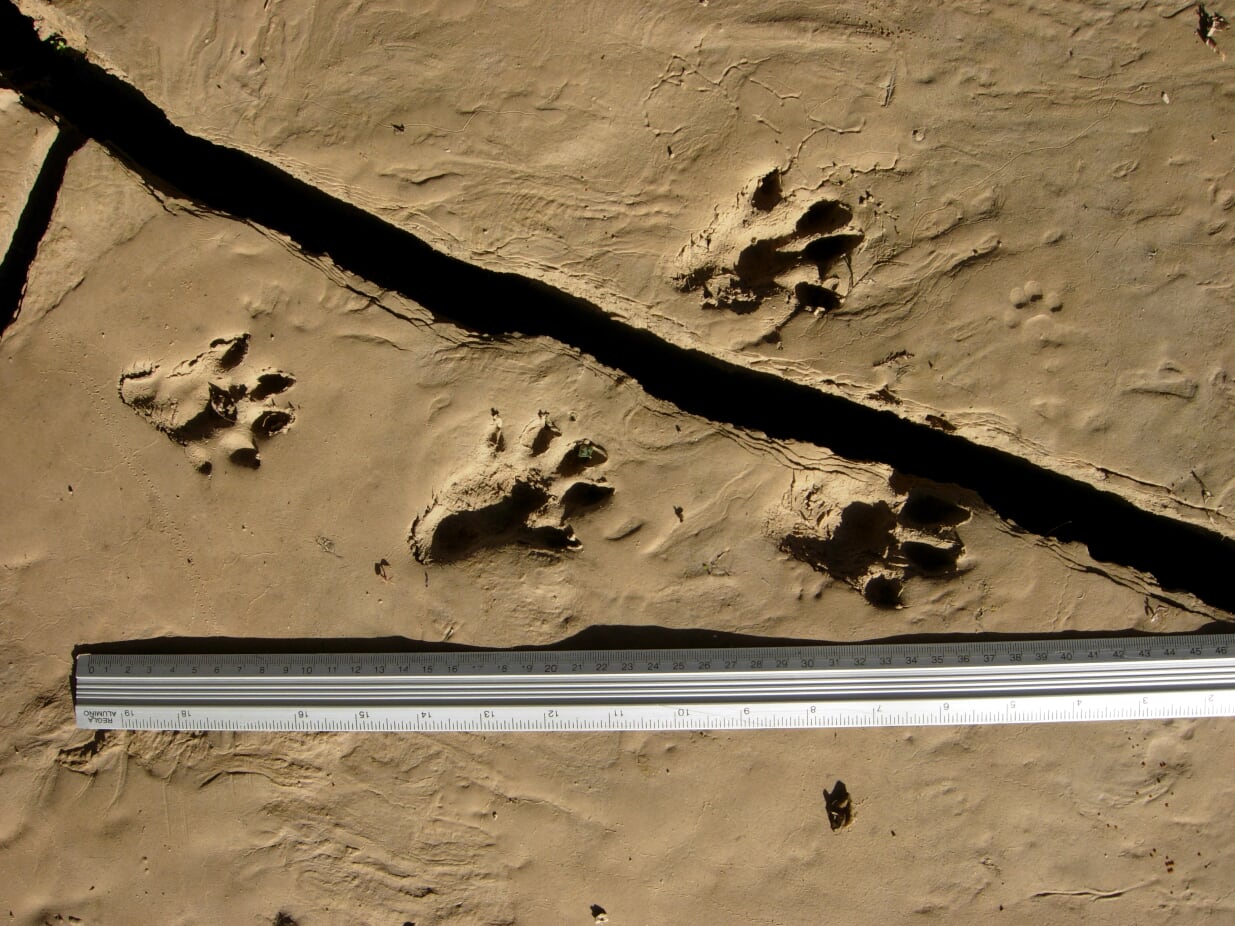
The otter (Lutra lutra), one of the most attractive mammals in all of Europe.
[/et_pb_text][et_pb_gallery gallery_ids=”15338,15342,15343,15344″ show_title_and_caption=”off” _builder_version=”4.4.8″ custom_padding=”50px||0px||false|false”][/et_pb_gallery][et_pb_text admin_label=”Titulo” _builder_version=”4.4.8″ header_2_font=”Noto Sans||||||||” header_2_text_align=”left” header_2_line_height=”0.4em” hover_enabled=”0″ locked=”off”]
RECOVERY OF THE OTTER IN CORDOBA
[/et_pb_text][et_pb_text _builder_version=”4.4.8″]
The otter appears in the province as a common species in the 19th century, in particular in the streams of the Sierra and Guadalquivir (Ramírez de las Casas-Deza, 1867; Martínez and Reguera, 1881). The information available is insufficient to describe the distribution of the mustelid at the end of the 20th century.
[/et_pb_text][et_pb_image src=”https://g3-guides.com///wp-content/uploads/2020/11/Screenshot_2020-11-30-Prunier-et-al-2017-La-nutria-en-Cordoba-pdf.png” title_text=”Figura 1″ align=”center” _builder_version=”4.4.8″][/et_pb_image][et_pb_text _builder_version=”4.4.8″ header_4_font=”Noto Sans JP|500|||||||” header_4_text_align=”right” header_4_text_color=”#0c71c3″ header_4_font_size=”13px” header_4_letter_spacing=”0.6px” header_4_line_height=”1.3em” module_alignment=”right” custom_margin=”-15px||||false|false” hover_enabled=”0″ locked=”off”]
Figure 1: Results of the IV national Otter survey in the province of Cordoba carried out during the period 2014-2015 (OPEN circle – white: positive locality; CLOSE circle – red: non-positive locality).
[/et_pb_text][et_pb_text admin_label=”Titulo” _builder_version=”4.4.8″ header_2_font=”Noto Sans||||||||” header_2_text_align=”left” header_2_line_height=”0.4em” hover_enabled=”0″ locked=”off”]
RECOVERY OF THE OTTER IN CORDOBA
[/et_pb_text][et_pb_text admin_label=”Titulo” _builder_version=”4.4.8″ header_2_font=”Noto Sans||||||||” header_2_text_align=”left” header_2_line_height=”0.4em” header_3_font=”Noto Sans||on||||||” header_3_text_align=”left” header_3_font_size=”10px” hover_enabled=”0″ locked=”off”]
Sierra Morena, Alto Guadiato, Los Pedroches
[/et_pb_text][et_pb_text _builder_version=”4.4.8″ hover_enabled=”0″ locked=”off”]
[/et_pb_text][et_pb_text admin_label=”Titulo” _builder_version=”4.4.8″ header_2_font=”Noto Sans||||||||” header_2_text_align=”left” header_2_line_height=”0.4em” header_3_font=”Noto Sans||on||||||” header_3_text_align=”left” header_3_font_size=”10px” hover_enabled=”0″ locked=”off”]
Rivière Guadalquivir
[/et_pb_text][et_pb_text _builder_version=”4.4.8″ hover_enabled=”0″ locked=”off”]
[/et_pb_text][et_pb_text admin_label=”Titulo” _builder_version=”4.4.8″ header_2_font=”Noto Sans||||||||” header_2_text_align=”left” header_2_line_height=”0.4em” header_3_font=”Noto Sans||on||||||” header_3_text_align=”left” header_3_font_size=”10px” hover_enabled=”0″ locked=”off”]
La Campiña
[/et_pb_text][et_pb_text _builder_version=”4.4.8″ hover_enabled=”0″ locked=”off”]
[/et_pb_text][et_pb_text admin_label=”Titulo” _builder_version=”4.4.8″ header_2_font=”Noto Sans||||||||” header_2_text_align=”left” header_2_line_height=”0.4em” header_3_font=”Noto Sans||on||||||” header_3_text_align=”left” header_3_font_size=”10px” hover_enabled=”0″ locked=”off”]
La Subbética
[/et_pb_text][et_pb_text _builder_version=”4.4.8″ hover_enabled=”0″ locked=”off”]
[/et_pb_text][et_pb_gallery gallery_ids=”15334,15341,15340,15335″ show_title_and_caption=”off” _builder_version=”4.4.8″ custom_padding=”50px||0px||false|false”][/et_pb_gallery][et_pb_text admin_label=”Titulo” _builder_version=”4.4.8″ header_2_font=”Noto Sans||||||||” header_2_text_align=”left” header_2_line_height=”0.4em” hover_enabled=”0″ locked=”off”]
RECOLONIZATION OF THE IBERIAN PENINSULA
[/et_pb_text][et_pb_text _builder_version=”4.4.8″]
The otter is a generalist predator, with some preference for fish. In this latest survey a very high abundance of Louisiana crayfish was observed in the diet coinciding with the study by Clavero et al. (2008).
The crayfish is thus the food par excellence of the otter in rivers where fish are scarce. When the contamination exceeds the tolerance limits of the crayfish, the otter disappears.
[/et_pb_text][et_pb_image src=”https://g3-guides.com///wp-content/uploads/2020/11/dscn0372-scaled.jpg” alt=”Otter (Lutra lutra), a mammal in Andalusia. Photo: Enrique Calzado Rivillas.” title_text=”Rio Guadalquivir” _builder_version=”4.4.8″][/et_pb_image][et_pb_text admin_label=”Titulo” _builder_version=”4.4.8″ header_2_font=”Noto Sans||||||||” header_2_text_align=”left” header_2_line_height=”0.4em” hover_enabled=”0″ locked=”off”]
CONCLUSION
[/et_pb_text][et_pb_text _builder_version=”4.4.8″]
Otters are very attractive animals to observe and study. We are fortunate to have an easily visible population in the city of Cordoba. It is a charismatic species that can be used to promote environmental education and to raise awareness about the state of conservation of rivers, generally very deficient in Andalusia.
It should be noted that agricultural intensification continues its course in Andalusia, that the Andalusian rivers are almost all transformed and that the populations of native fish are very seriously threatened. Therefore, the recovery of the otter population is great news but cannot mask the existing problems.
[/et_pb_text][/et_pb_column][/et_pb_row][et_pb_row _builder_version=”4.4.8″ background_size=”initial” background_position=”top_left” background_repeat=”repeat” locked=”off”][et_pb_column type=”4_4″ _builder_version=”3.25″ custom_padding=”|||” custom_padding__hover=”|||”][et_pb_divider divider_weight=”1px” admin_label=”linea separacion” _builder_version=”4.4.8″ background_color=”rgba(0,0,0,0)”][/et_pb_divider][/et_pb_column][/et_pb_row][/et_pb_section][et_pb_section fb_built=”1″ _builder_version=”4.4.8″ locked=”off”][et_pb_row _builder_version=”4.4.8″ min_height=”175px” custom_margin=”|auto||auto|false|false” custom_padding=”||0px|||” locked=”off”][et_pb_column type=”4_4″ _builder_version=”4.3.2″ custom_padding=”0px||0px||false|false”][et_pb_blurb title=”MORE INFORMATIONS ON THE WEB” use_icon=”on” font_icon=”%%103%%” icon_color=”#7cda24″ icon_placement=”left” use_icon_font_size=”on” icon_font_size=”60px” admin_label=”Price” _builder_version=”4.4.8″ header_font=”Noto Sans SC|700|||||||” header_text_align=”center” header_text_color=”#19bf00″ header_font_size=”20px” header_letter_spacing=”1px” header_line_height=”2.8em” body_font=”Noto Sans||||||||” body_font_size=”18px” custom_margin=”|0px||50px|false|false” hover_enabled=”0″ locked=”off”][/et_pb_blurb][et_pb_blurb admin_label=”Price” _builder_version=”4.3.2″ header_font=”Noto Sans SC|700|||||||” header_text_align=”center” header_font_size=”20px” body_font=”Noto Sans||||||||” body_font_size=”18px” custom_margin=”|0px||50px|false|false” locked=”off”][/et_pb_blurb][/et_pb_column][/et_pb_row][et_pb_row column_structure=”1_2,1_4,1_4″ _builder_version=”4.4.8″ locked=”off”][et_pb_column type=”1_2″ _builder_version=”4.4.8″][et_pb_image src=”https://g3-guides.com///wp-content/uploads/2020/11/logo-Arvícola-1024×326-1.jpg” title_text=”logo-Arvícola-1024×326″ url=”https://aeaelbosqueanimado.org/arvicola” url_new_window=”on” align=”center” admin_label=”Alltrails” _builder_version=”4.4.8″ height=”150px”][/et_pb_image][et_pb_text _builder_version=”4.4.8″ text_text_color=”#0c71c3″]
Arvícola
[/et_pb_text][/et_pb_column][et_pb_column type=”1_4″ _builder_version=”4.4.8″][et_pb_image src=”https://g3-guides.com///wp-content/uploads/2020/11/Encicloperia-Virtual-Vertebrados-ibericos.jpg” title_text=”Encicloperia Virtual Vertebrados ibericos” url=”http://www.vertebradosibericos.org/mamiferos/lutlut.html” url_new_window=”on” align=”center” admin_label=”Alltrails” _builder_version=”4.4.8″ height=”150px”][/et_pb_image][et_pb_text _builder_version=”4.4.8″ text_text_color=”#0c71c3″]
Otter fact sheet
[/et_pb_text][/et_pb_column][et_pb_column type=”1_4″ _builder_version=”4.4.8″][et_pb_image src=”https://g3-guides.com///wp-content/uploads/2020/11/Logo-el-bosque-animado.jpg” title_text=”Logo el bosque animado” url=”http://aeaelbosqueanimado.blogspot.com/2012/04/la-nutria-del-guadalquivir-punto-de.html” url_new_window=”on” align=”center” _builder_version=”4.4.8″ module_alignment=”center” height=”145px”][/et_pb_image][et_pb_text _builder_version=”4.4.8″ text_text_color=”#0c71c3″ link_option_url=”https://www.seo.org/andalucia/” link_option_url_new_window=”on”]
La nutria, punto de encuentro
[/et_pb_text][/et_pb_column][/et_pb_row][/et_pb_section]
Leave a Reply