


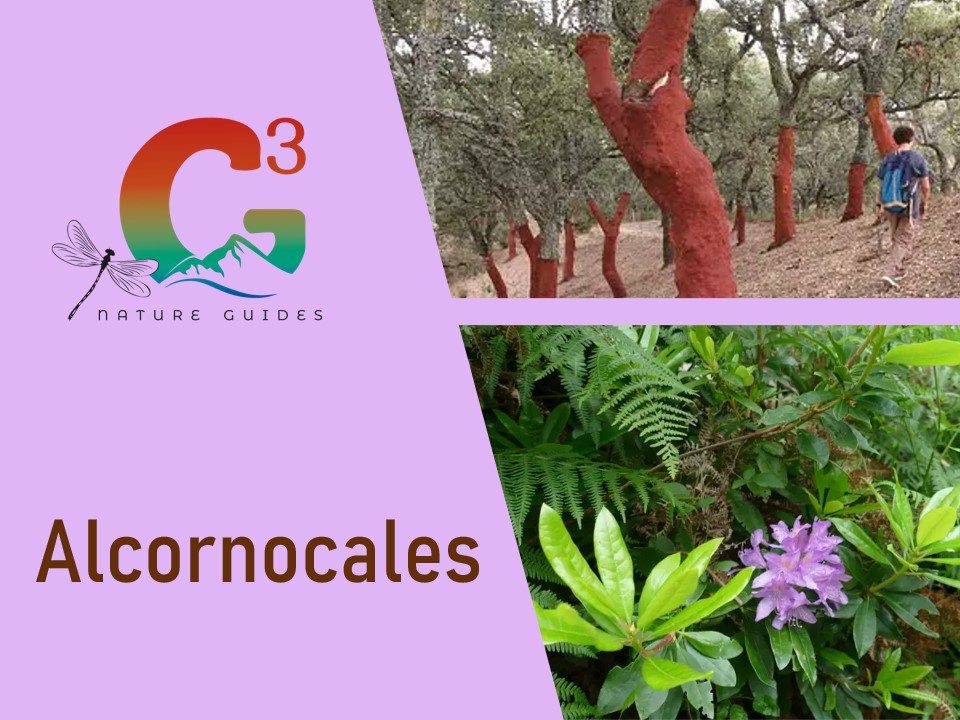
CÁDIZ AND MÁLAGA – The great cork oak forest: a green and humid island in arid Andalusia.
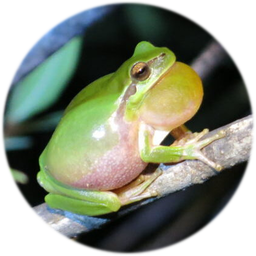
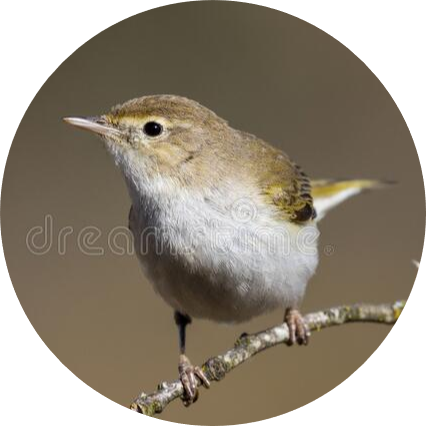
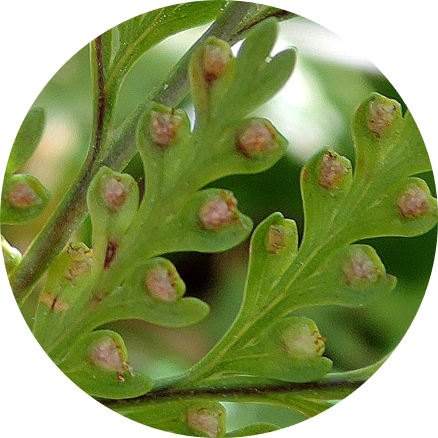

Los Alcornocales is one of the largest protected natural areas in Spain, with more than 167,000 ha (1,670 km²). Located in the region of Campo de Gibraltarto the north of Algeciras and the Strait of Gibraltarsouth of the Sierra de Grazalema and to the west of the municipality of Cortes de La Frontera in the province of Malaga. This immense territory does not contain a significant urban center in its heart but is surrounded by 18 peripheral municipalities that host about 400 000 inhabitants. The Los Barrios – Jérez road is the main human infrastructure that separates the mountainous reliefs of the mid-mountains of the Sierra del Aljibe, the highest point with 1 092 meters, and the Sierra del Picacho.

- Cork oak forests
- Wild river
- Subtropical climate
- Canutos and laurisilva
- Medieval castles
The great forest of southern Europe
The park is mainly covered by cork oaks(Quercus suber), a native species that gives its name to the natural space and is greatly favored by the dominant sandstone rock (sand compacted and cemented by diagenesis). The traditional capital of cork is Cortés de La Frontera, where you can visit a museum that will teach us about the use of cork oak and its problems. During the cork harvesting season we will see the trees that expose the inner part of the trunk, of a very striking orange-red color.

The climate in this area is Atlantic Mediterranean, with a very pronounced marine influence near the coast, where the “barbas del Levante” phenomenon causes horizontal rains and humid conditions similar to a subtropical climate. In the streams, called “canutos“, for example, in the Río de La Miel, there is lush laurel forest vegetation, with noble laurels(Laurus nobilis), Betic rhododendrons(Rhododendron ponticum ssp. . baeticum), glutinous alders(Alnus glutinosa) and rare ferns. A few meters away, arid Mediterranean scrub occupies the land. On the heights appear bare rocks, poor soils and

The wild Hozgarganta River, next to the municipality of Jimena de la Frontera, offers habitat for endangered dragonflies, such as the splendid dragonfly Macromia splendens. You can also find the spectacular Monarch butterfly(Danaus plexippus).

Finally, a cave, the Tajo de las Figuras, near Benalup, which dates from the Neolithic period and is famous for its representations of rock art(Arte sureño), birds, mammals and anthropomorphic figures.

Note. A threat, called “la Seca”is looming over these forests. It is the combined action of climate change, a too dense pressure of large herbivores and pathogens is causing a serious problem of mortality and degeneration of cork oaks.
To discover this immense forest, more than twenty trails have been authorized by the regional government, but distant from each other and quite variable in length and difficulty. For hiking enthusiasts, note that the stages of the GR7 have an unequal length between Tarifa and Montejaque (150 km).
Leave a Reply