


CÁDIZ AND MÁLAGA – A prestigious Mediterranean mountain and an excellent base for ecotourism.
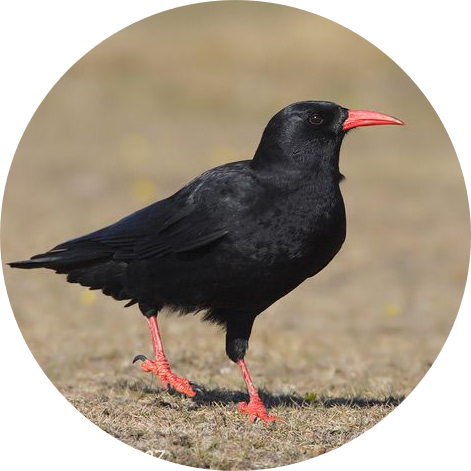
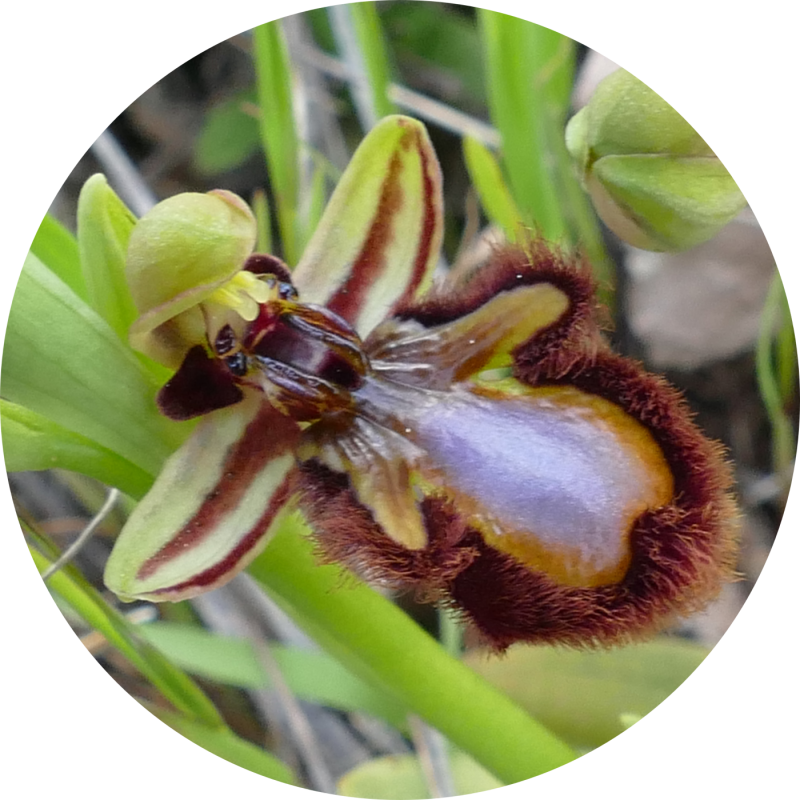

The Sierra de Grazalema is the last great mountain (Pico Torreón, 1,648 m) of Andalusia and the most accessible from the cities of Seville, Cadiz, Jerez, Gibraltar and, of course, the neighboring Ronda. This condition explains its enormous popularity since the time of romantic travelers and the first naturalist explorers of the nineteenth century to the present day. The area of the Natural Park covers more than 50 000 ha (500 km²) and has a dense network of trails, which allows for very beautiful hikes in the Sierra.

The set of limestone mountains dominates the plains of the Guadalquivir depression and the marshes of the Doñana National Park. Grazalema was the first natural park declared in Andalusia in 1984, and therefore one of the most prestigious and visited. The sierra is famous for the presence of the
- Limestone mountain
- White villages
- Pinsapos
- Payoya goats
- Griffon vultures
Mountaineering and Mediterranean biodiversity
The measurements of the National Meteorological Institute have forged the legend of Grazalema as one of the points with the highest rainfall in the Iberian Peninsula. It is true that the local weather station receives in some years more than 2 000 mm of rain, but this is a result limited to a very small area, a pond in the desert. The fact is that the Pinsapos forest only grows on the northern slope of the Sierra del Pinar and that it is necessary to request authorization from the park to access it.

Grazalema is above all a white village, extremely charming and pleasant to visit, a refuge for travelers and bandits, very popular among Andalusians. Located at the foot of a cliff, overlooking the agricultural valley of the Guadalete and surrounded by peaks and rocks, it is one of the beautiful white villages of Andalusia that has managed to preserve its authenticity and tranquility. Starting point for excellent hikes, ideal base camp for ecotourism, especially for the quality of its services. Let’s not forget the other lesser known and equally spectacular villages or areas of the park, such as the Líbar massif (province of Málaga).

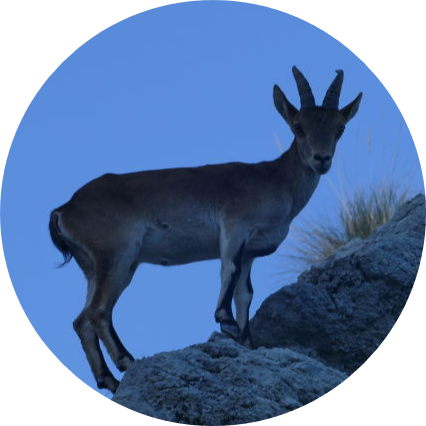
The park is home to a very important colony of griffon vultures(Gyps fulvus), the star animal, which cannot be missed during a visit. It is also rare to observe the ibex(Capra pyrenaica hispanica), an endemic species, often discrete but locally abundant. Also present is a very rare species, an endemic Iberian-Maghrebi, the Grazalema poppy (Papaver rupifragum), with a beautiful orange color and, among the lepidoptera, it is worth mentioning the Andalusian fritillary butterfly(Melitaea aethiere), an endangered species whose best populations in Andalusia are found in the Sierra de Grazalema Natural Park.

Finally, it is necessary to point out the importance of pastoralism for the conservation of biodiversity. The presence of herds of sheep of the Merina de Grazalema breed and Payoya goats, which allow to combine the useful with the pleasant, the conservation of biodiversity with a cheese production very famous throughout Spain.
A fantastic opportunity to discover nature in Andalusia: discovery vacations in the province of Malaga. Or let yourself be tempted by a day trip.

Leave a Reply