What you will find in the Doñana tour
- The largest wetland in Western Europe
- 600 000 waterfowl in winter
- >300 bird species

Seville

Winter / Spring / Fall

Up to 7 days of activity

Private groups

The avifauna of Mediterranean coastal marshes
Doñana, the mythical estuary of the Guadalquivir, whose abundance of birds has attracted since ancient times, is today a meeting point for all nature lovers. The world-famous national park is home to more than a hundred species of wetland breeding birds and forms the largest headquarters in southwestern Europe for wintering waterfowl. Easy to observe large waders and ornithological rarities allow everyone to enjoy birdwatching.
Flocks of birds
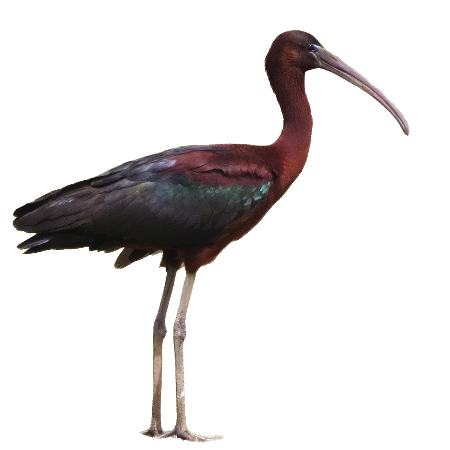
The huge bands of birds, especially visible during the winter, are trully impressive. Long-legged wading birds such as Greater Flamingo (up to 75,000 individuals in Doñana), White Stork (15,000), Glossy Ibis (10,000) or Eurasian Spoonbill (5,000) and other herons, ducks and shore waders also gather in their thousands. In summer, the very sociable European Bee-eater moves in bands.
Zoology course in the field
We will learn to use the binoculars and telescope. The great abundance of species allows us to compare their morphology (beaks, legs, feathers), observe their behavior in the field (feeding, courtship, defenses) and listen to their songs. The field is the laboratory where you can learn, observe and enjoy nature.
Birding approach
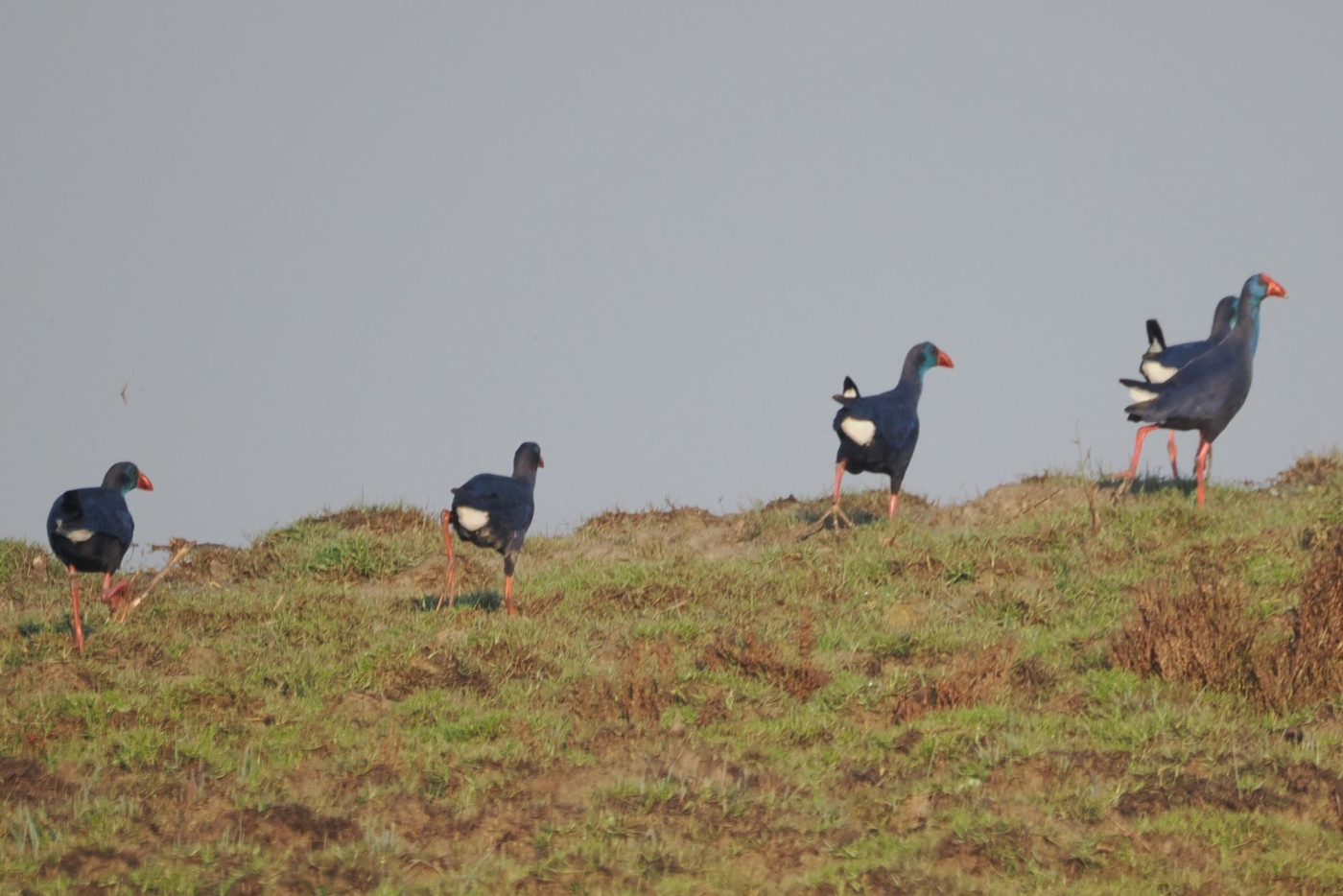
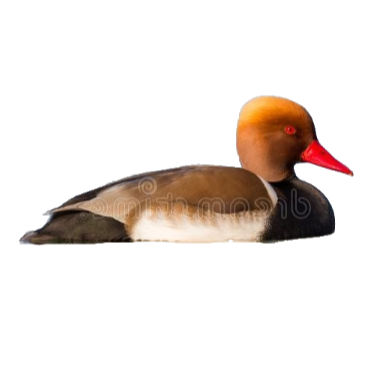
We will look for species that are difficult to detect, including endangered breeding birds, although they are very rare: White-headed Duck (about 20 pairs), Marbled Teal (with a population reinforcement program), Red-knobbed Coot, Ferruginous Duck, Black-necked Grebe and Squaco Heron (31 pairs in 2019).
Doñana Natural Area
Two mammals likely to be detected: Iberian Lynx and Red Deer. Among the reptiles, the endemic species Carbonell’s Wall Lizard (Podarcis carbonelli). Depending on the time of the year, we will be able to observe insects such as the Green-striped White butterfly (Euchloe belemia), the Dark spreadwing (Lestes macrostigma) or the Iberian Spoonwing (Nemoptera bipennis).
Common birds in Doñana



Doñana private tour: the birdlife of the Mediterranean marshes
Tour variants and options
A la carte tour with a infinite variations. Exploring the vast territory of Doñana requires dedication and spending at least one full day in each of the five main areas of the Natural Area. They are very different from each other, each with species of interest to the ornithologist.
- The heart of the marshes: El Rocío and the Doñana Biological Reserve.
- Western Doñana. Coastal and inland dunes.
- Doñana septentrional. Observation points near Seville.
- Southern Doñana. En route to Cadiz…
- East Arm. The Guadalquivir transformed.

The “plus”– Doñana, Doñana and Doñana! … There is no end to exploring Europe’s largest protected natural area. While the international reputation of the Doñana marshes is well established, the visitor is often surprised by the extent of its beaches, dunes and pine forests.
Includes
- Specialized professional guide
- High-end telescopes
- High-end binoculars
- List of potential species
- Door-to-door passenger pickup/destination
- Accident insurance
Program for a 7 day tour in Doñana
We recommend this very complete tour to discover in depth the bird life of Doñana.

DAY 1 : The mouth of the Guadalquivir River
Meeting in Seville at noon. We will head to Sanlucar de Barrameda to discover the meeting of the river with the ocean and enjoy ornithological surprises: the only European locality of
Panoramic views of the marshes – Mouth of the Guadalquivir River – Chipiona
DAY 2 | Southern Doñana
An intense day that will allow us to explore a remarkable diversity of aquatic habitats and produce an already long list of birds. A permanent lagoon will be ideal to look for the most endangered birds: White-headed Duck and, if we are lucky, Marbled Duck or Red-knobbedCoot.
Seabirds – Bonanza Salt Flat – Tarelo Lagoon – La Algaida Pine Forest – Trebujena Marshes.
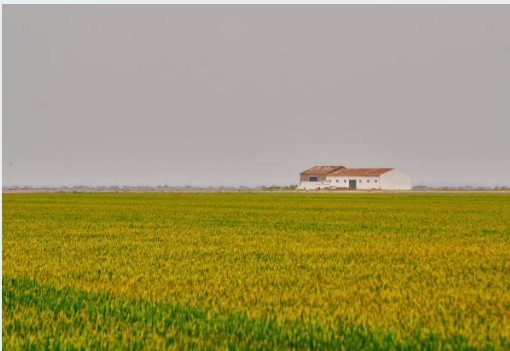
DAY 3 : East Arm
We will follow the banks of the Guadalquivir along its only accessible stretch for vehicles, before finally entering the polders of the Brazo del Este (a real labyrinth). We will spend some time exploring a highly transformed agricultural habitat and the old branch of the Guadalquivir that has not been completely drained… an exceptional wealth of birdlife awaits us here. On an adjacent hill, we will visit some amazing temporary Mediterranean ponds. At the end of the afternoon, we will finally cross the Guadalquivir to reach the right bank of the river.
Chemin de hallage – Brazo del Este – Dehesa La Atalaya.

DAY 4 | Northern Doñana
Another busy day awaits us, as Doñana Norte once again offers exceptional sites for birdwatching. Some new features: an aviary, Glossy Ibis and White Stork colonies; huge expanses of rice paddies, natural marshes and a deep freshwater channel. The surrounding forests are home to several lynx territories.
Isla Mayor – J.A. Valverde Center – Caño Guadiamar – Dehesa Abajo.
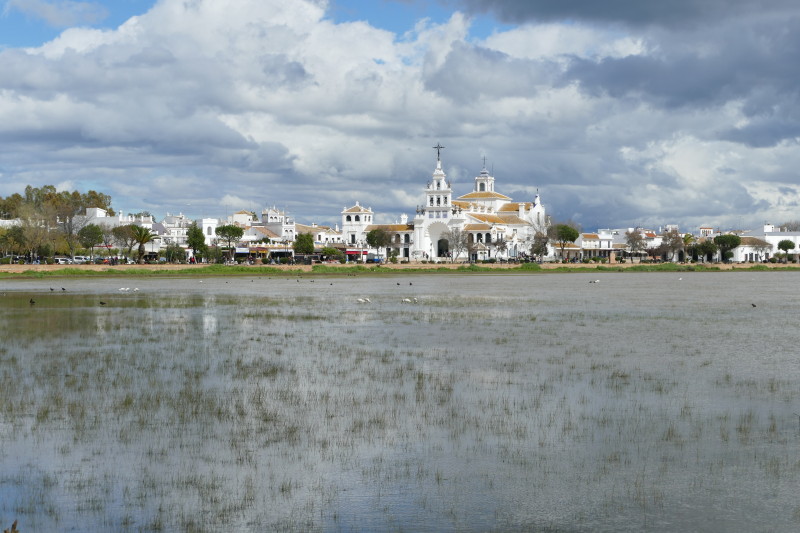
DAY 5 : El Rocío, heart of Doñana
Finally we arrive at El Rocio, the center of Doñana, the area that travelers usually visit first. We will be delighted to discover the village and the grassy marshes where the marismeños horses graze. The gallery forest of La Rocina is well worth a visit.
El Rocío – Marisma La Madre – La Rocina – El Acebrón.
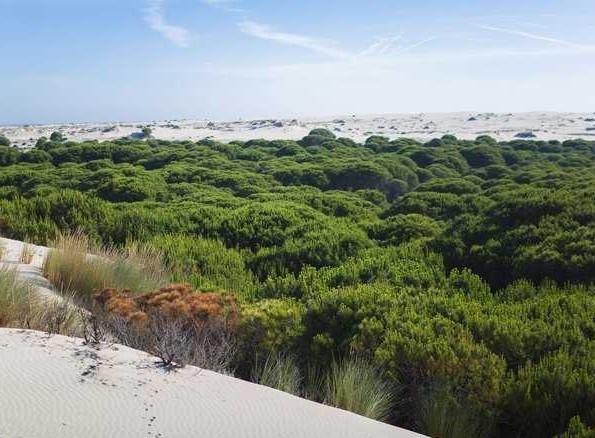
DAY 6 : Safari in the national park
We will visit the restricted area of the National Park in a 4×4 vehicle to explore the largest complex of mobile dunes in Europe and the immensity of the marshes they protect. The wet meadows of La Vera are home to ungulates and a large rookery. The afternoon will be spent visiting the main interpretation center of the park (exhibition, souvenirs) and its lagoons (the last visited on this trip).
El Puntal – El Acebuche – Acebuche Lagoons
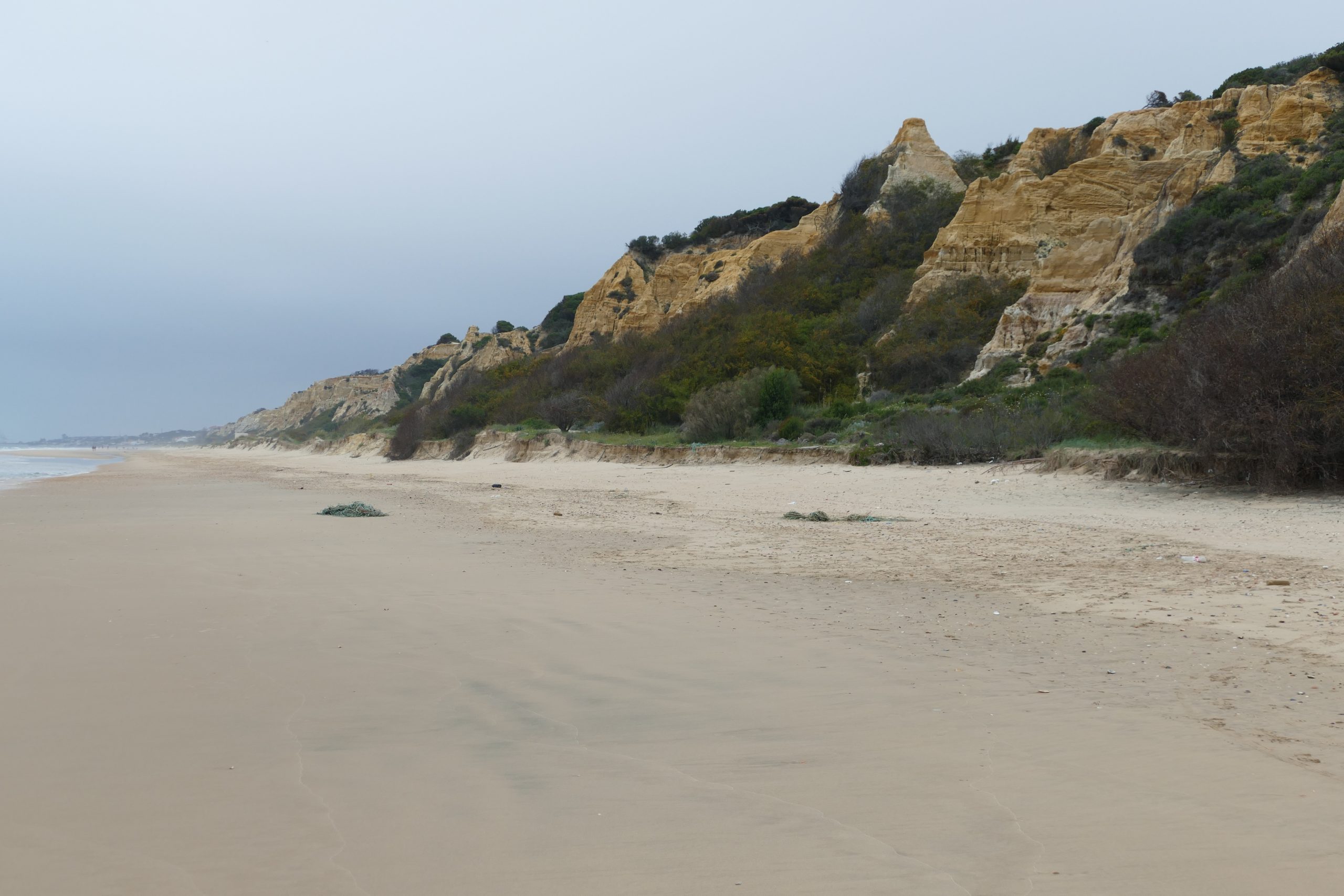
DAY 7 : Western Doñana
Last excursion to the fossil dunes of Doñana, which rise up to 100 meters and offer exceptional panoramic views of the pine forest and the ocean. On the way back, the incredible Rio Tinto offers a welcome respite. Finally, we will part in the early afternoon in Seville.
Mazagón Centennial Pine – Asperillo Cliff – Cuesta Maneli – Abalario – Río Tinto.

DAY 8 | EXTRA | Odiel Marshes
Let’s continue to Huelva and its magnificent Marismas del Odiel. Here we can spend a day or two in the countryside. Unlike the Guadalquivir, this estuary has retained its maritime character, and low tides reveal mudflats and mudflats teeming with coastal waders, which are quite rare in Doñana. An Osprey reintroduction program offers excellent opportunities to see these nesting raptors.