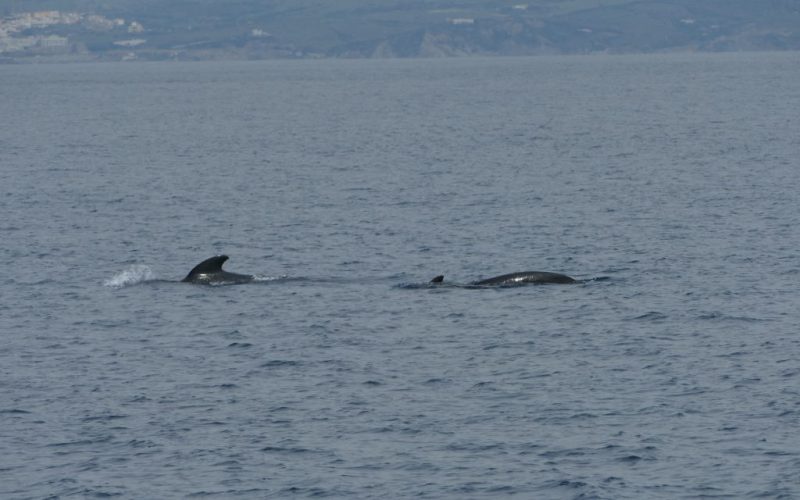
Cetacean tour highlights
- Boat excursion sailing the waters of the Strait of Gibraltar
- Consolidated whale watching destination
- Up to seven species of dolphins and whales

Tariff

Summer

A day of activity

Private groups
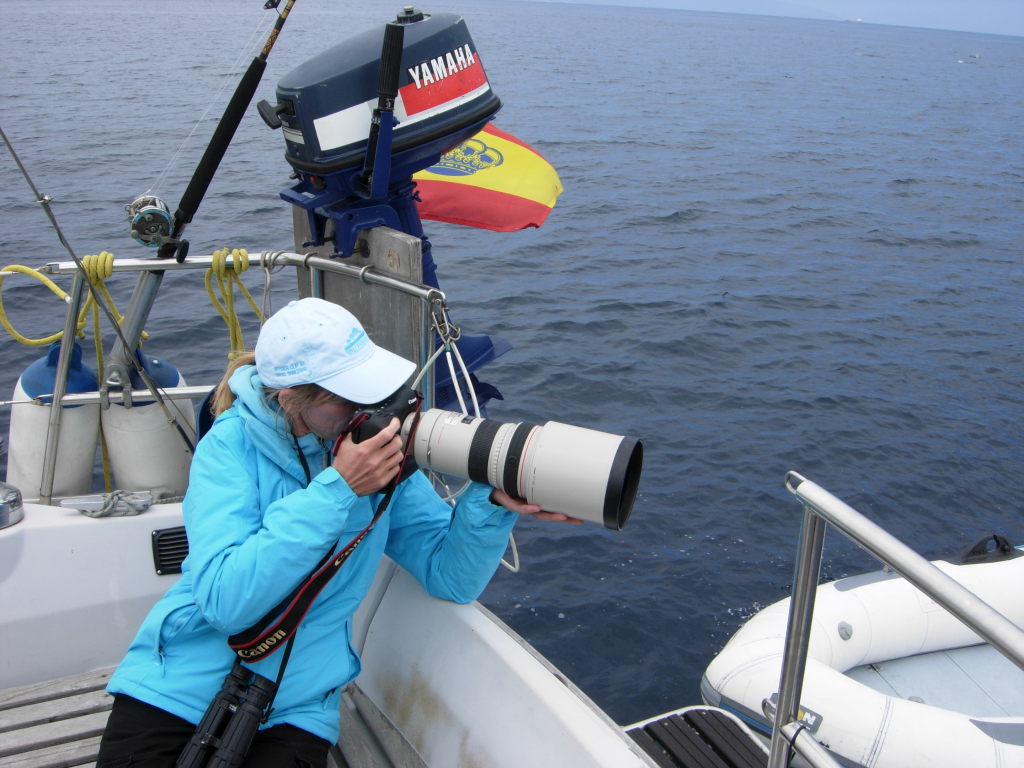
Sightings of marine mammals
Tarifa is a privileged destination to observe up to seven different species throughout the year. Its strategic location in the Strait of Gibraltar, where the Atlantic and the Mediterranean converge, makes it one of the best places in Europe for whale watching, attracting thousands of visitors annually.
Resident species in the Strait
The waters of the Strait are populated throughout the year by cetaceans of the dolphin family. It is very likely to see groups of
Marine migrations
Not to be forgotten are the migrations, which are usually more discreet: the sperm whales (Physeter macrocephalus), semi-resident and attracted in season by cephalopods, and the Fin whales (Balaenoptera physalus), more difficult to spot, large migrants that move between the tropical zones and the Mediterranean Sea. The bluefin tuna(Thunnus thynnus) is a large migrant that attracts Killer whales on the Spanish side at the end of the summer.
The waters of the Strait …
are changeable, with strong currents and variable weather conditions, affecting the visibility and presence of cetaceans. The most favorable time for sightings is usually summer, when the sea is calmer, with peak sightings in late spring and early fall. During these periods, the combination of warm temperatures, abundant food and migratory patterns increases the chances of seeing a variety of marine mammals.
Specialists: Pelagic Birds
They are seabirds that live offshore and only approach land to breed. The wedge-shaped position of the tip of Campo de Gibraltar, deep in the ocean, favors the observation of these pelagic birds. Many of them come in winter when prey production is at its highest. Gannet (Morus bassanus), Cory’s Shearwater, Balearic shearwater…
Regular cetaceans in the Strait of Gibraltar
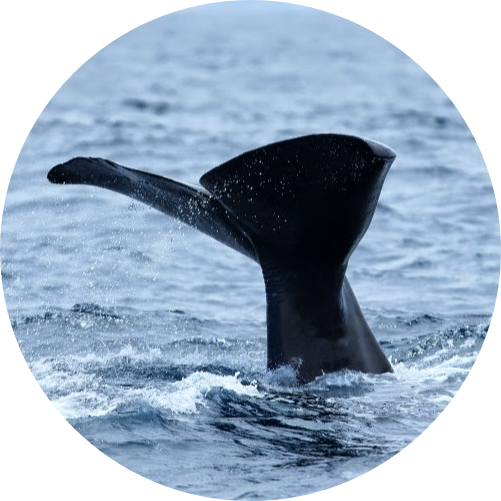
> 100 (migration)
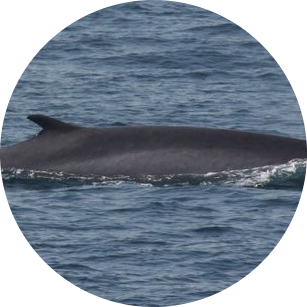
< 100 (migration)

+/- 250 (resident)
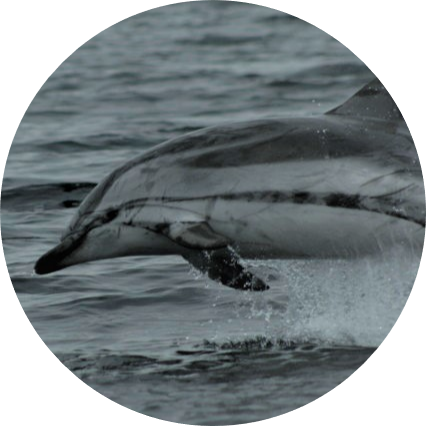
(3 resident species)

+/- 50 (resident)
Private tour Dolphins and whales in the Straits of Gibraltar
Tour variants and options
We recommend spending a full day at sea to increase the chances of sightings of the rarest cetaceans.
Additional information
Updated information on cetaceans(FIRMM)

The “plus”.
Includes
- Specialized professional guide
- High-end telescopes
- High-end binoculars
- List of potential species
- Door-to-door passenger pickup/destination
- Accident insurance