


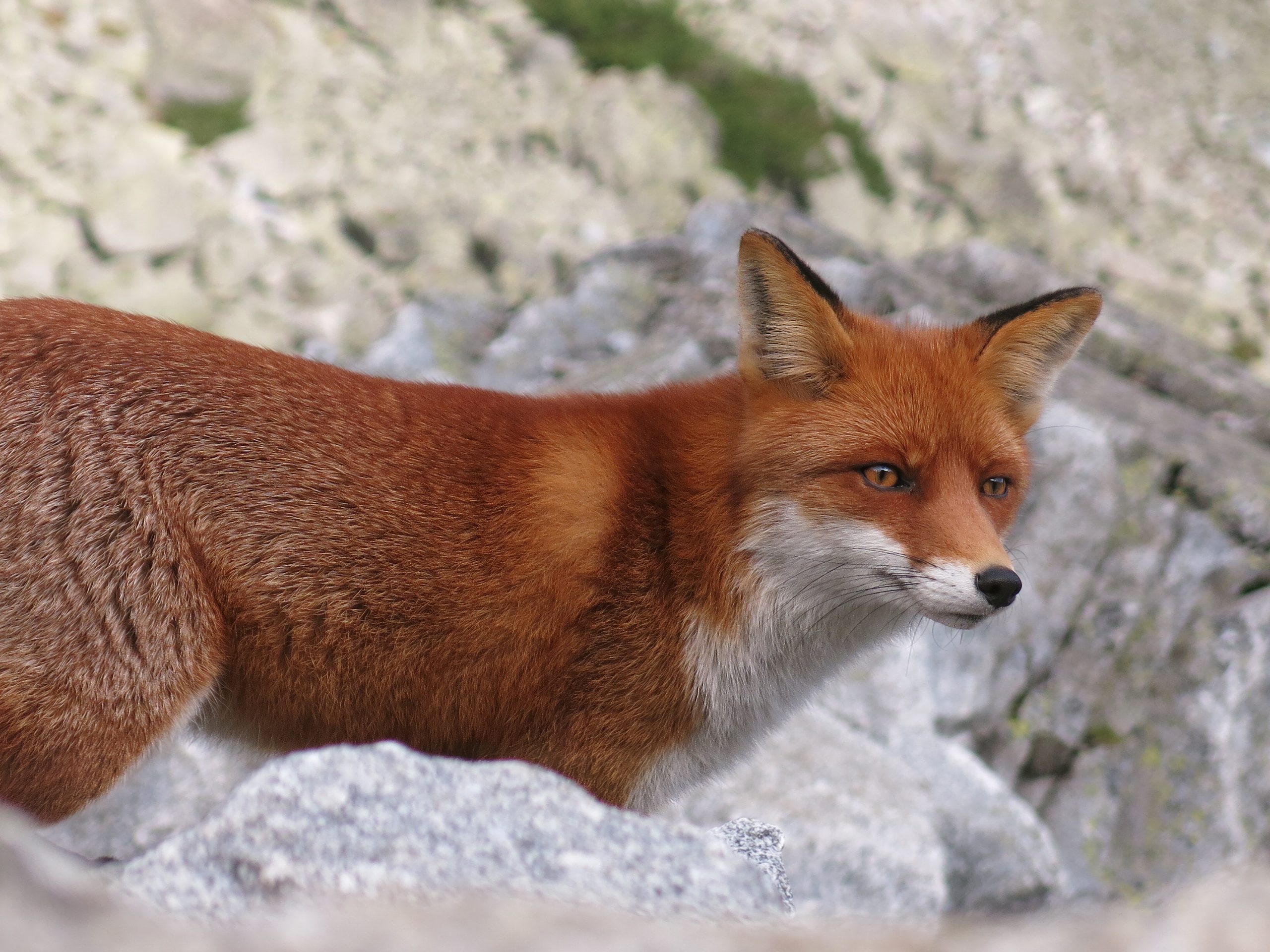
Here is a basic guide to mammals in Spain, sprinkled with data concerning Andalusia and the Cantabrian Mountains, two main destinations for mammal watching. There are about 250 species in Europe, 45% of which live on the Iberian Peninsula.
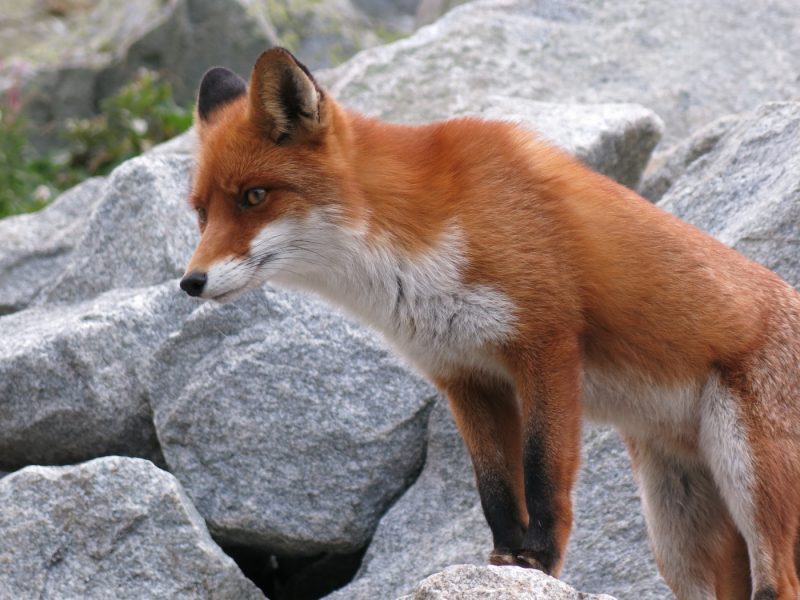
Bien qu’extrêmement diversifiés en forme et en taille, tous les mammifères européens appartiennent au supergroupe des Boreoeutheria (« vraies bêtes du nord »), c’est-à-dire des mammifères placentaires dotés d’un scrotum. Pour situer notre propre espèce sur l’arbre de la vie, précisons que les primates sont apparentés aux rongeurs et aux lagomorphes. Sur les 5 700 espèces recensées dans le monde, six des plus grands ordres de mammifères représentent plus de 80 % de la diversité mondiale, ce qui est très familier : les rongeurs, les chauves-souris, les musaraignes et les taupes, les primates (avec une espèce introduite à Gibraltar), les carnivores (y compris les phoques) et les ongulés à doigts pairs et les cétacés (artiodactyla). Additionally, three of the smaller orders are also present in our territory: hares and rabbits, hedgehogs and odd-toed ungulates = horses (perissodactyls).
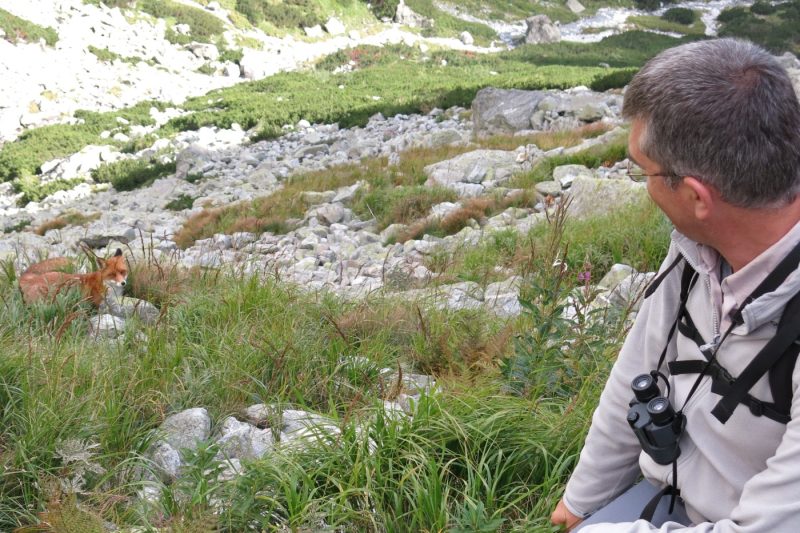
Challenges of mammal observation in Spain
Just over 110 species are present in the Iberian Peninsula, of which one third are medium and large land mammals. Spain is one of the most attractive countries in Europe for mammal watching, and even more so in recent years with the spectacular increase in Iberian lynx and Cantabrian bear populations.
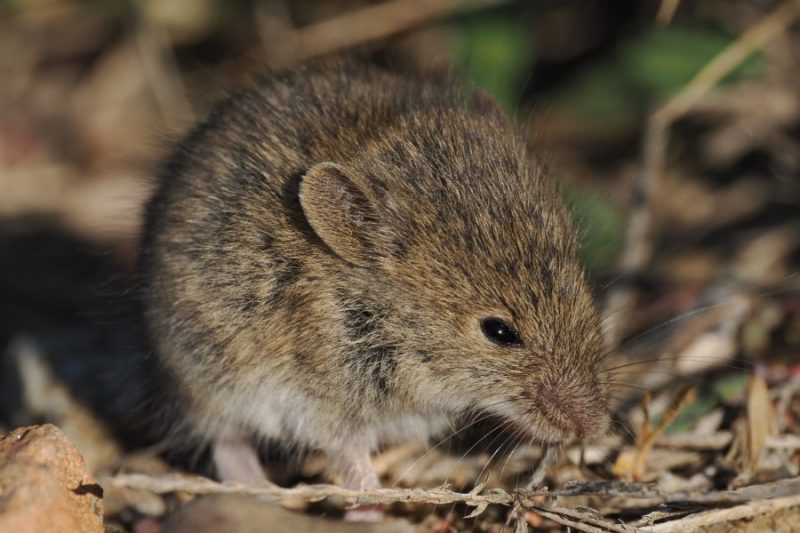
Mammals present serious challenges to be observed in the wild:
- Nocturnal behavior (most species, not just bats). And yet, the larger and more attractive species for mammal watchers can be remarkably active during the day: ungulates, cetaceans, marmots, squirrels, and even carnivores, mainly the mongoose and also the Iberian lynx and bears.
- Shyness and elusiveness: even in areas where mammals are present, sightings of these animals can be a rare event. However, the species may also be tolerant and even attracted to humans in protected areas and even in the suburbs.
- Remote and inaccessible locations in mountainous areas or dense forests, making it difficult for observers to access their habitats.
- Seasonal variations: The rutting period depends on the species and favors observations. Snow and muddy soils help to detect tracks.
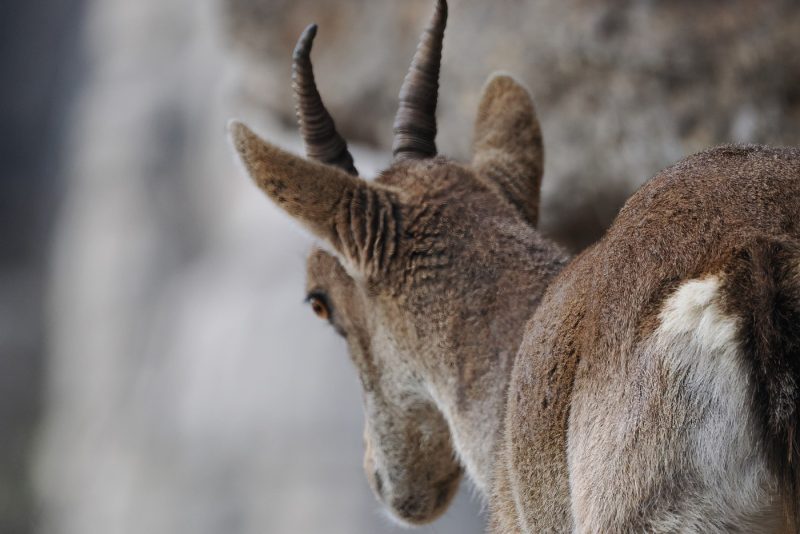
Books: mammal field guides
Several comprehensive field guides cover the mammals found in Europe. Most observers on the continent already use reference books that can also be useful when visiting the Iberian Peninsula. However, we recommend Spanish guides that are really excellent:
Purroy F.J. (2016) Mamíferos de España. Lynx editions (Spanish). An inexpensive, illustrated field guide with straightforward and well-organised information.
Blanco J.C. (1998) Mamíferos de España. Planeta (Spanish). The mastological bible of more than 900 pages (!).
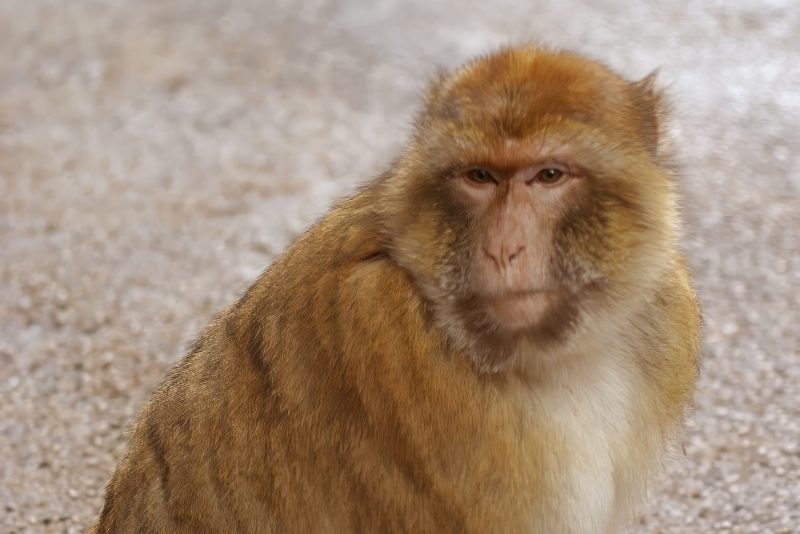
List of species
Creating a list of species for mammal observation in Spain involves compiling regional lists. Species diversity may vary according to the specific ecosystem and geographic location. Here is a general list of mammals you might encounter in Spain:
List of the mammals of the Iberian Peninsula, Balearic Islands and Canary Islands (Spanish). Link
Download the G3-guides checklist: Mammals of Andalusia.
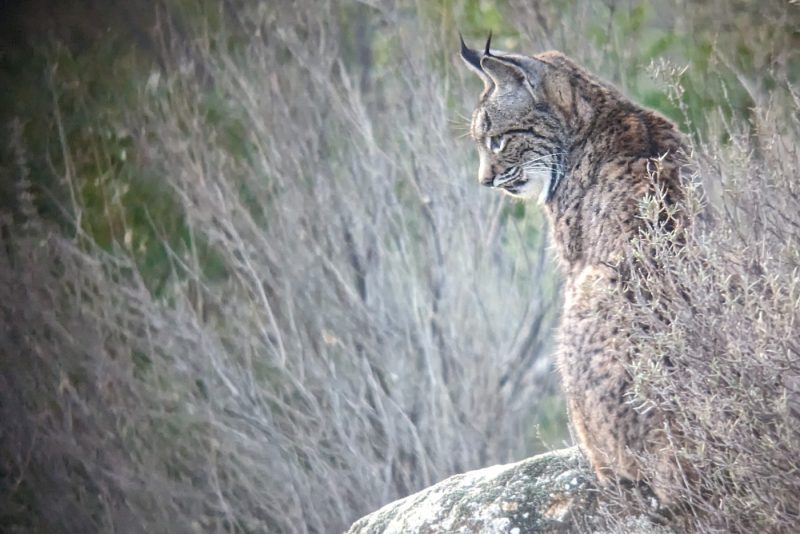
Iberian endemisms
Endemic species have their range restricted to a given territory, the only place where they can be observed in the wild.
The Iberian lynx is, in fact, the most famous among ten Iberian endemisms*. Two ungulates: the Spanish Ibex* and the Pyrenean Chamois**, two Lepus (of six species in Europe): the widespread Spanish Hare(L. granatensis) and the very rare Pyrenaic Hare(L. castroviejoi). Among the insectivores: a double mole: Talpa occidentalis and the unique Iberian Desman*(Galemys pyrenaicus). Finally, a bat, Myotis escalerai, and three micromammals: Sorex granarius, Microtus cabrerae and M. lusitanicus.
* or extending slightly beyond the French border. **almost endemic as it is related to the rare Abruzzo chamois.
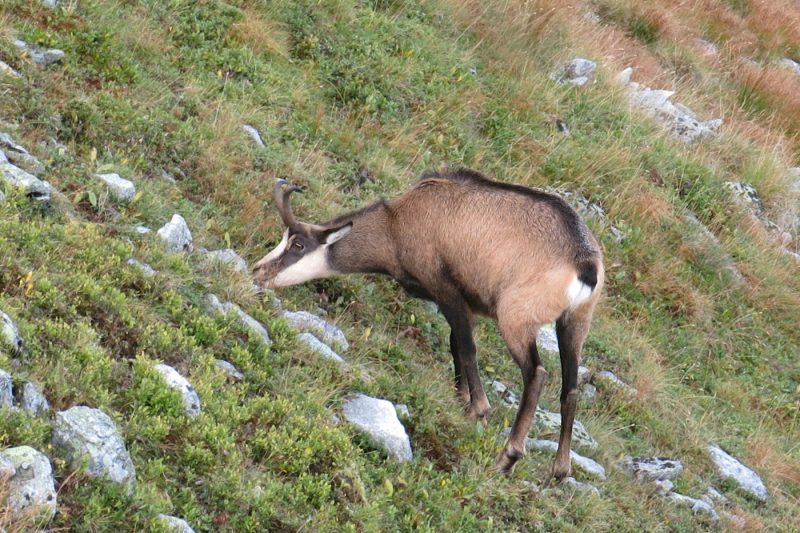
Continental hotspots
Europe has several regions known for their high concentration of mammals, the result of a combination of factors.
- Diverse and extensive ecosystems with forests, grasslands, wetlands and/or alpine meadows.
- Altitudinal gradients (mountains): a variation in elevation creates different ecological niches.
- Connectivity and corridors that allow the movement and migration of mammal populations, ensuring long-term viability.
- Conservation importance: Mammal hotspots are often protected areas of high conservation value.
The most famous Spanish regions for mammal watching:
- Sierra Morena and Doñana National Park, located in Andalusia, with high densities of ungulates, lynx and mongoose.
- Cantabrian / Picos de Europa, wild and dense forest with Cantabrian chamois, brown bears and more…
- Sierra de la Culebra (Zamora), famous all over the world for its wolves.

Whale and dolphin watching
Whale and dolphin watching is surprisingly little known. With a huge coastline, Spain offers good places to watch cetaceans.
- Strait of Gibraltar: important migratory route for whales. Tarifa is a popular destination for sighting seven cetaceans.
- Bay of Biscay: Santander and Bilbao are common starting points for whale watching excursions in this region.
- Whale-watching capes: Estaca de Bares (Galicia), Cap de Creus on the Costa Brava (Catalonia).
- Canary Islands: Tenerife and La Gomera are well known for their whale watching excursions: pilot whales, etc.

Spain’s Big Five
In recent years, the meaning of the term ‘Big Five’ has moved beyond its original meaning of the five most dangerous animal species hunted in Africa. Today, it usually refers to the five most emblematic and difficult to observe animals in a given territory.
There are three undisputed Spanish animals on this list: the Iberian lynx, the Grey Wolf and the brown bear. The rest of the species are the subject of much debate and depend mostly on personal tastes, either preferences for rare and emblematic mammals, or endemic species, or even the inclusion of the rarest large birds. The desman and the European mink would be on my personal list.

Mammal watching excursions and guides
Joining a tour is probably the best option to discover new territory and observe mammals thanks to the skills and knowledge of local experts. Guided tours are arguably more rewarding with mammals than with any other group.
G3-guides will be happy to share their experience and optical equipment and guide groups to look for mammals in Andalusia and Northern Spain. Check out our tours.
Responsible behaviour and ethics
Respect distances from wildlife: be safe and respectful, and use binoculars, telescopes and telephoto lenses for observation. Avoid disturbing or approaching animals in their natural habitat. We observe that photographers too often approach protected species.
At the lookout points, it is pleasant and successful to observe the landscape as a team. The exchange of information on mammals with other observers and scientists should be restricted. Avoid sharing detailed locations with the general public.

New optical instruments
Camera traps are widely used by scientists to monitor mammals in their natural habitats. Their installation is only legal on private property with the consent of the landowner.
Recent hand-held thermal/infrared cameras can be useful for some people, but in general they are very expensive, eyestrain and often only give good results at close range. In my experience, high-end telescopes give much better results for observing mammals. Even at night, a torch and binoculars make for better observations.

Tracks and traces
A common, often unique, method for detecting the presence of terrestrial mammals, but requiring considerable experience and bearing in mind that a single track is rarely conclusive on its own. The field technique covers droppings and food remains.
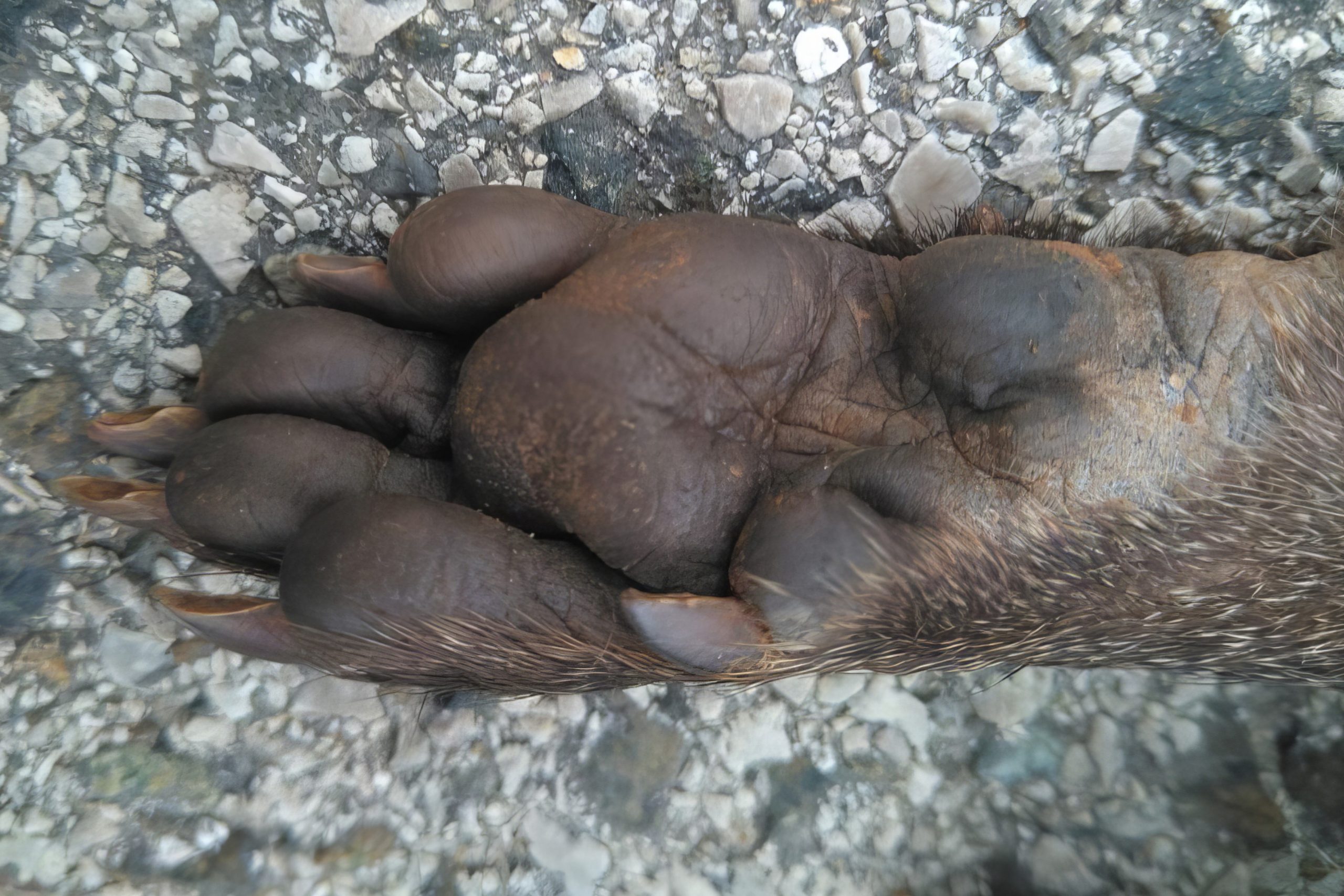
Easily recognisable tracks in Spain: otters, badgers, bears, wild boar…
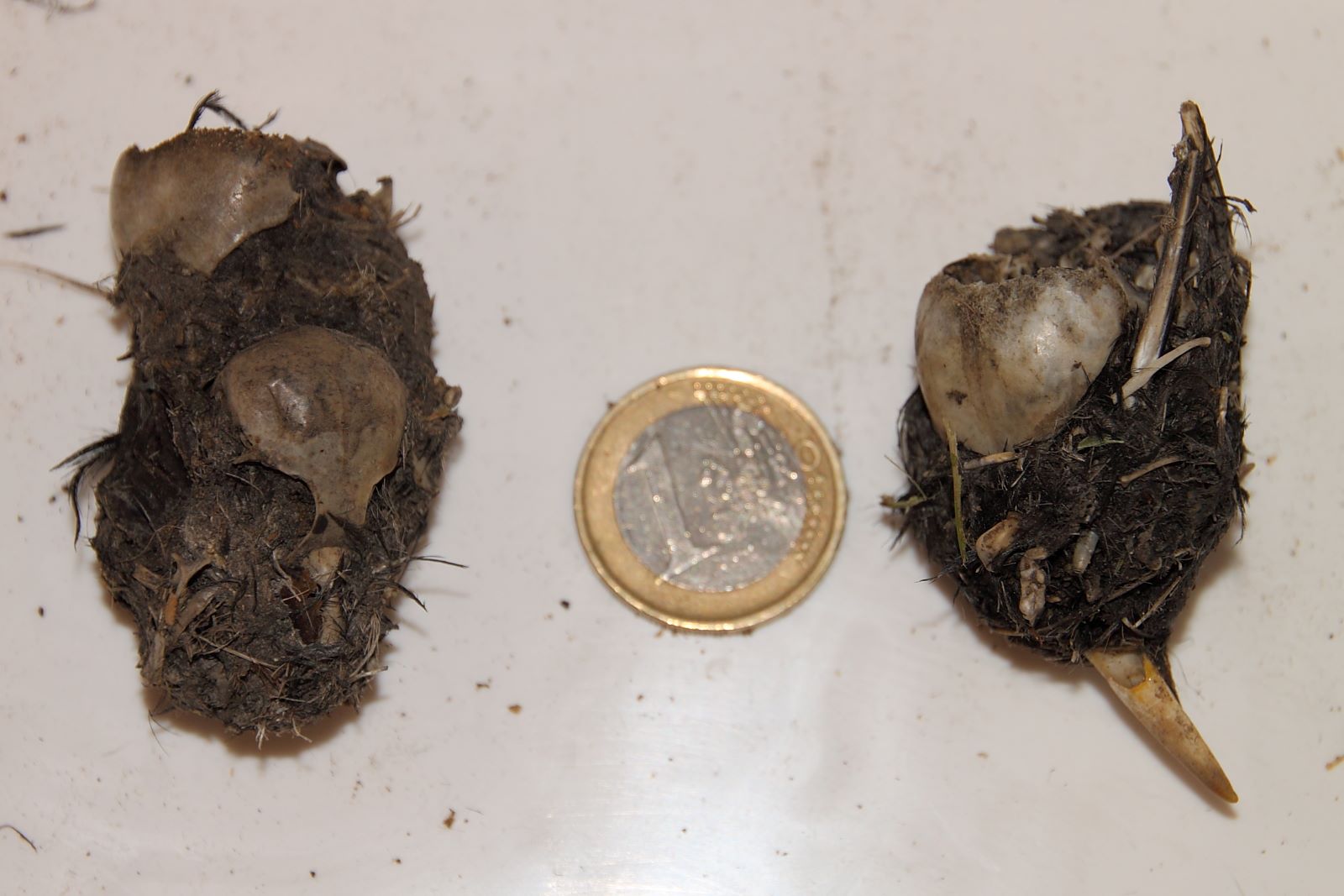
Egagrópilas
The best method for detecting the presence of rodents and shrews… A subject in itself, which is hardly considered mammal observation.
It is worth noting that the illustrated Spanish field guide includes sketches of the lower jaw of rodents. Micromammal diversity is generally low in Mediterranean regions, while it is extremely high in northwestern Iberia.
Road kills
Although a sad phenomenon, it is often easier to spot mammals by paying attention to roadkill. This method provides an important source of information for scientists. But we must also be very careful in traffic for our personal safety.
SAFE is the Spanish system for the census of vertebrate roadkill (link). You can report your data through the ObsMapp application (Observation.org platform).
Leave a Reply