


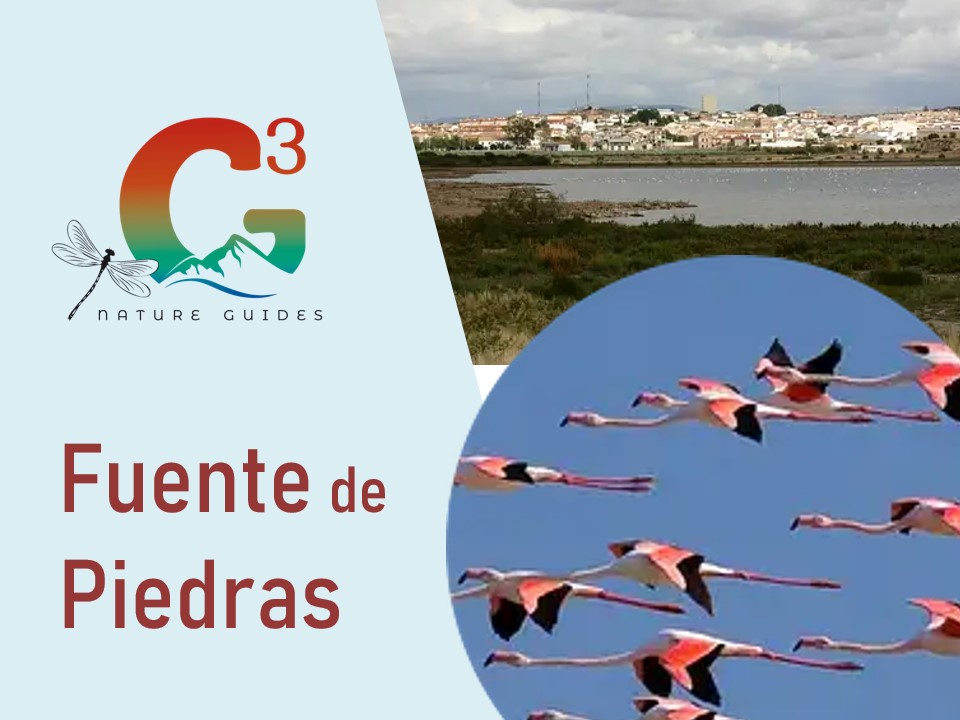
MÁLAGA – the largest Greater Flamingo colony in the Mediterranean and a spectacular inland wetland.


The Fuente de Piedra Lagoon is the largest in Andalusia, with 6.5 km long and 2.5 km wide and has 1,300 ha of protected natural area. It is located near the town of Antequera (Málaga) in the depression of the Guadalquivir river.

This huge lagoon fills with water with the winter and spring rainfall, all the water in the surrounding area flows into it in a drainage basin of more than 150 km² and manages to accumulate a water column between 20 and 70 cm deep with exceptional values of up to 150 cm.
- Salty wetland
- Waterfowl
- Greater Flamingoes
- Dark horse
- Agricultural steppes
The best birdwatching in the province of Malaga
The Fuente de Piedra lagoon is famous for its colony of Greater Flamingoes(Phoenicopterus roseus) which in some years exceed35,000 adults when the spring has been very rainy. Unusual feature of the species: Greater Flamingoes living around the Mediterranean Sea function as a large population regularly exchanging adults between the 10 main colonies.

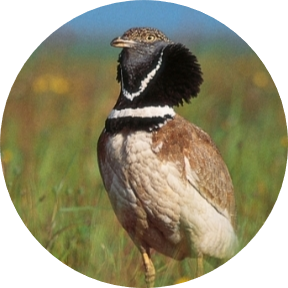
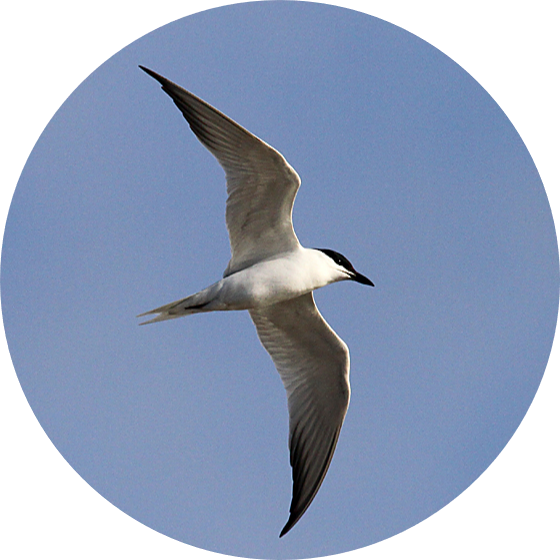
In addition to flamingos, the lagoon‘s avifauna is rich in aquatic species. More curious is the population of Little Bustards(Tetrax tetrax) that occupies the surrounding farmland.

The site is also of international importance for the diversity of its crustacean plankton. Especially for the presence of

Another invertebrate species adapted to the salt conditions of the temporary lagoons and extremely rare is a dragonfly, the Dark spreadwing(Lestes macrostigma), it is possible to observe some specimens in late spring in the lagoons near the visitor center.

Note: From the visitor reception center, the birds can be very far away, especially in summer. It is
Leave a Reply