


This question has haunted me for many years, even to the point where I was reluctant to launch the G3 guides project. At least I have some positive elements to share.

In the early 2000s I worked in the UK as an entomologist, one of the happiest periods of my life… On the BBC we were already hearing worrying information about climate change at least once a week. And we had a long discussion about House Martin… confronting the need for humans to discover the world and exchange versus the need to release less CO2 into the atmosphere. Recently, some experts have suggested that we should only fly 3 or 4 times in a lifetime. Is this realistic? Human activities emit CO2… Is it ethical to do so for leisure purposes in the current situation? We need to recognize the societal demand for people to travel and that society will not drastically shut down this industry. After COVID, tourism is experiencing strong growth in Andalusia with more than 30 million visitors (2023).
As travelers, we should focus on short-haul destinations…
A round-trip flight to a European capital is typically valued at about 200 kg of CO2.
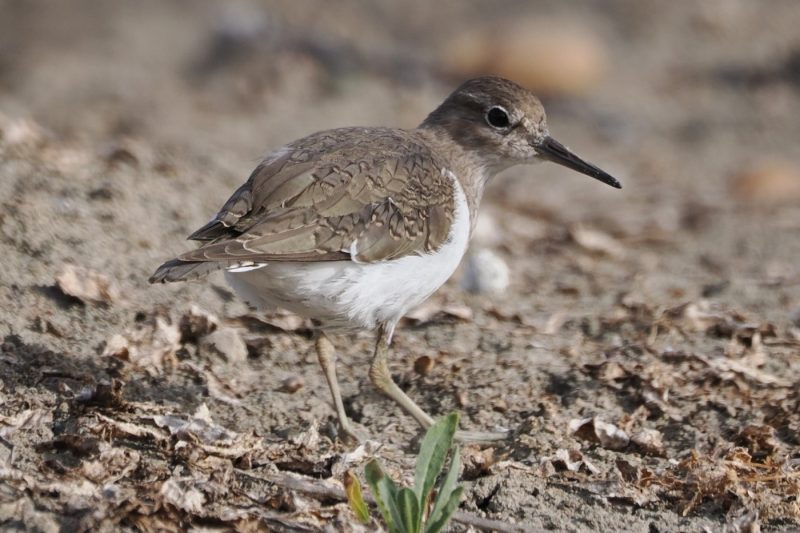
Spending more time at the destination is a way to use the House Martin less… a perfect pace to discover the biodiversity of a region. We should all use a carbon footprint calculator from time to time to evaluate our CO2 budget. In fact, traveling can be the perfect time to encourage us to change our habits in a greener way. At G3-guides we seek to promote ecotourism and fight against the standardization of destinations… these thousand times repeated tours, menus, souvenirs and photographs that destroy local identities.
Ultimately, tourism infrastructures (accommodation, food, activities) will only be eco-compatible in response to the demands of their customers.
That said, for us the overall goal should be the reduction of the tourist masses. Travel opens the mind and gives us ideas. Mediterranean gastronomy is rich in vegetarian dishes… for a CO2-efficient cuisine that will remind us of the good old days. The long-term conservation of natural areas depends to a large extent on their visitors. Even national parks of international importance are under great pressure… Continuous visits by nature observers are of great help. In addition, citizen science focused on biodiversity contributes significantly to the acquisition of scientific data. To conclude… Ecotourism is both the goal and the method to develop a deep appreciation of life, a necessary step towards a world where humans live in harmony (Liberté – Égalité – Fraternité). To your binoculars!
Leave a Reply