


Cadiz offers the synthesis of European birdwatching. The greatest migratory spectacle in the Strait of Gibraltar is complemented by Atlantic wetlands(Doñana), the limestone mountains of Grazalema and the immense forest of Los Alcornocales. This melting pot of ecosystems concentrates an exceptional biodiversity in a compact territory.
Birding Guide in Cadiz: a festival for nature watchers
Do you dare to decipher the living map of Cádiz birdlife? It is not just about adding one more species to your list, but to understand why the imperial eagle chooses these skies, to listen to the murmur of thousands of wings crossing the Strait and to tread the hidden paths of marshes and cork oak forests that only the naturalists of the earth master. To hire an ornithological guide in Cadiz is to exchange the binoculars for a key: the one that opens the door to one of the most complex and rewarding natural adventures in Europe.
With more than 350 species recorded, Cadiz is not just a destination, it has become a living encyclopedia of Mediterranean and Atlantic avifauna where every corner is a page to be discovered.
Ornithological Tours in the province of Cádiz

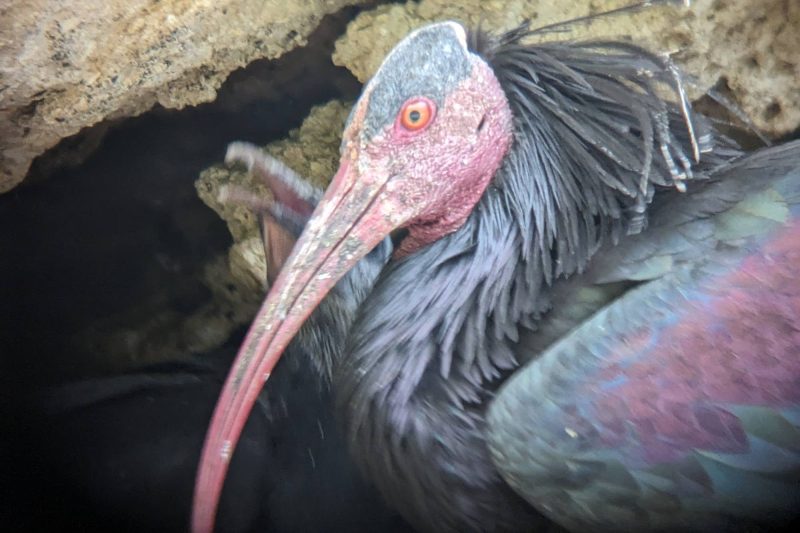
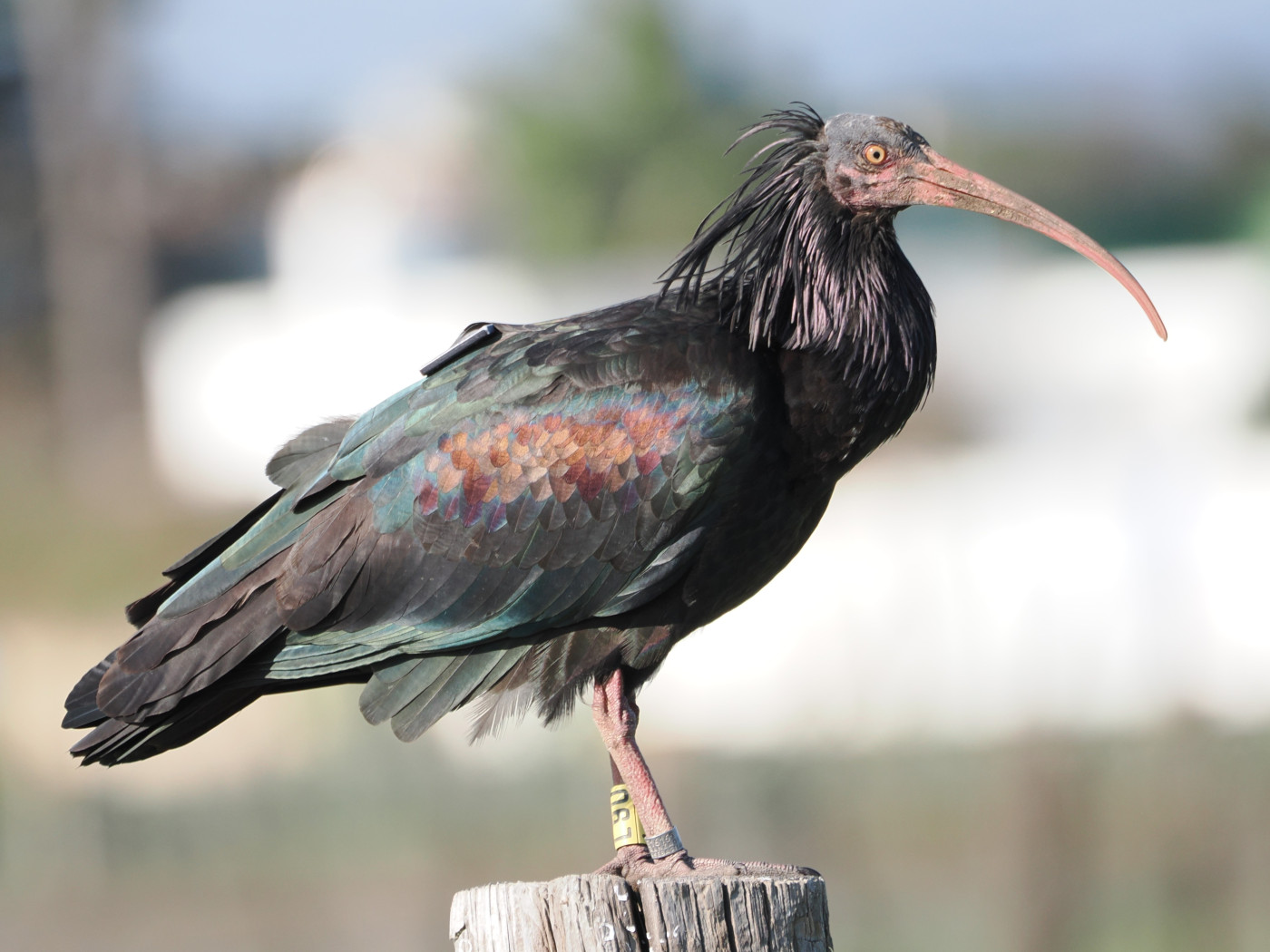
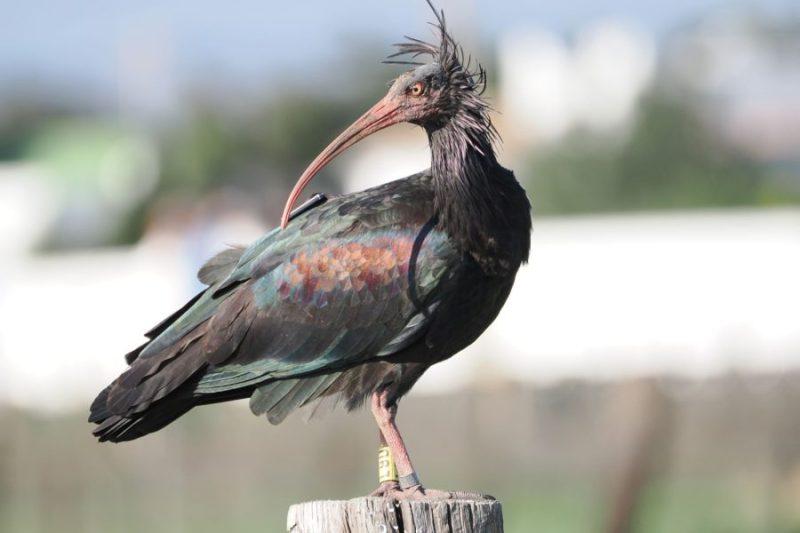
In addition to the world-famous enclaves, the province of Cadiz displays a range of ornithological treasures. Here you can find the only European population of Little swift or the endangered Northern bald ibis, explore the numerous inland wetlands, look for the last alzacolas, admire birds in the white villages and discover endless corners where the avian surprise is guaranteed.
Nine must-see areas for the Birdwatcher in Cádiz
Each of the areas presented offers outstanding birdlife and deserves a specific guide to explore its localities. In addition, it is not surprising that a multitude of local bird hotspots complete this map of places of international importance in the province of Cádiz.
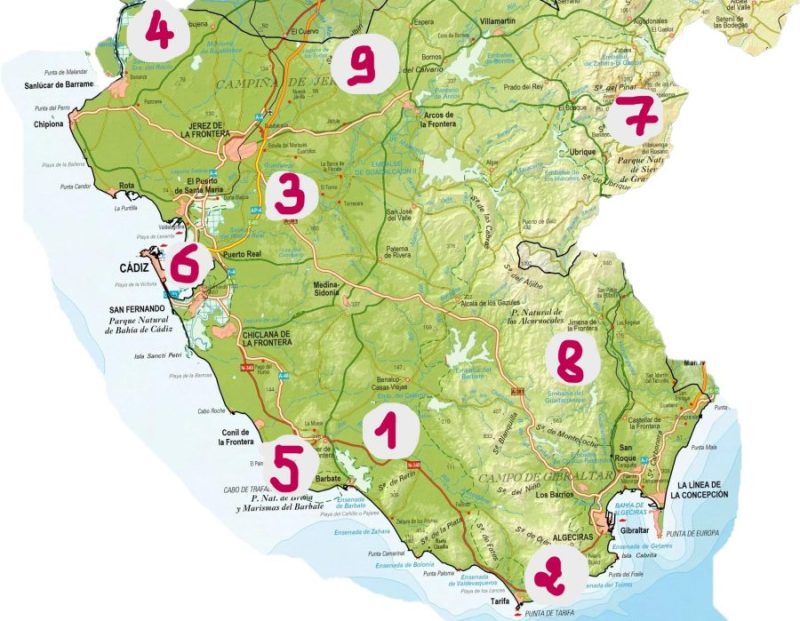
The province of Cadiz is home to a network of natural areas that are true sanctuaries of biodiversity of continental importance. This chapter covers the nine essential hotspots that condense the ornithological wealth of Cadiz, from the great migratory spectacles to the most discreet and specialized corners. Here it is worth remembering the geographical duality: the Atlantic influence, generating rich wetlands and marshes, and the deep Mediterranean influence of mountains and forests. Complete its exploration is essential to understand the avifauna of the extreme south of the Iberian Peninsula, with its emblematic, relict and unique species in Europe.
La Janda is a vast depression, formerly the largest inland wetland in Andalusia, drained in the twentieth century for conversion into farmland. Today, its landscape is a mosaic of rice fields, cereal fields and flooded pastures, which partially recover their original function during the winter. This pseudo-steppe and aquatic environment, dominated by open horizons, is one of the most unique and productive observation sites in the Iberian Peninsula.
The Great Agricultural Plain and the Resurrected Wetland
Key Species and Ornithological Value:
- Threatened Steppe Birds: It is the last great stronghold in Cadiz for the Great Bustard(Otis tarda) and a crucial territory for the Little Bustard(Tetrax tetrax). It also hosts good populations of Pin-tailed Sandgrouse(Pterocles orientalis) and Stone Curlew(Burhinus oedicnemus).
- Lowland Raptors: Marsh Harriers (Circus aeruginosus) and Hen Harriers (Circuscyaneus) are concentrated during the winter. It is a breeding area for the Black-shouldered Kite (Elanus caeruleus) and a breeding area for the endangered Montagu’s Harrier(Circus pygargus) in summer.
- Wintering Waterbirds: Flooded rice fields attract thousands of Common Cranes (Grus grus), as well as Lesser black-backed Gulls (Larus fuscus) and Anatidae such as the Greylag Goose (Anser anser).
- Other Specialties: White Storks (Ciconia ciconia) nest on electrical pylons, and it is an exceptional place to observe the Greater Flamingo (Phoenicopterus roseus) in an agricultural context.
Ideal Season: Winter (December-February) for cranes, Great Bustards and wintering raptors. Spring (March-May) for steppe birds in heat and summer raptors.
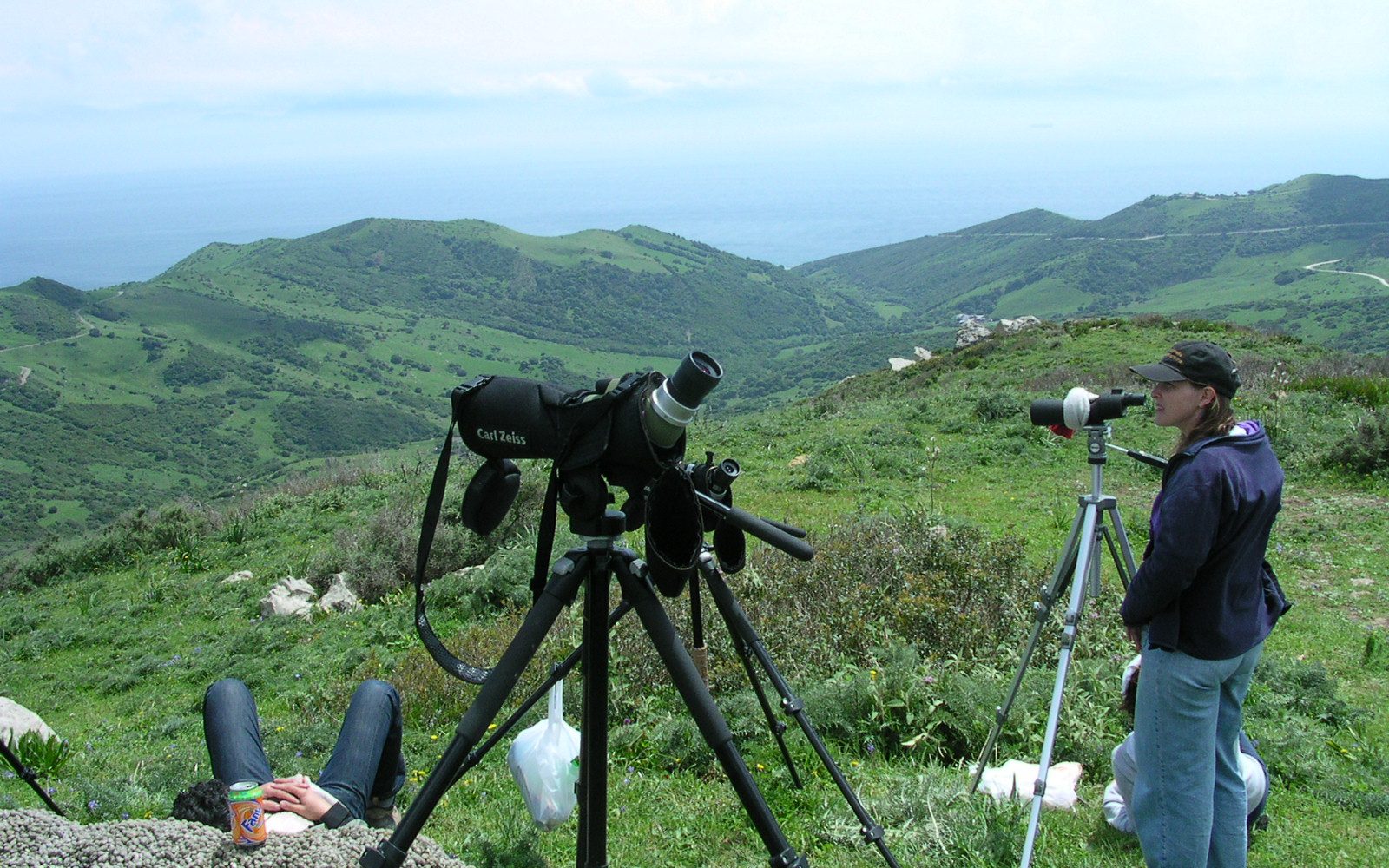
It is not a single place, but a succession of strategic points along the coastline where migration is observed. The Strait is the most important bottleneck between Europe and Africa, a natural spectacle of worldwide importance. G3 Guide to the Strait of Gibraltar Natural Park. Each point offers a unique perspective:
The Great Migratory Corridor
- Tarifa (Miradores de Cazalla and El Algarrobo): Elevated viewpoints on the coast to observe the crossing of birds of prey and storks over the sea.
- Playa de Los Lances: Ideal place to observe seabirds and coastal waders, and low birds of prey that start the crossing from the beach.
- Punta Camorro and Bolonia: Cliffs and coastal mountain ranges where birds concentrate before diving into the sea, excellent for swifts, wheatears and birds of prey.
- Punta Carnero: On the Atlantic coast, it offers a different perspective for postnuptial migration and seabird watching.
Key Species and Ornithological Value:
- Mass Migration of Gliders: Black Kites (Milvus migrans) (hundreds of thousands), White Storks (Ciconia ciconia), European Honey Buzzards (Pernis apivorus), Booted Eagles (Hieraaetus pennatus) and Egyptian Vultures (Neophron percnopterus).
- Seabirds: With an easterly wind, you can see Scopoli’s Shearwater (Calonectris diomedea), Skuas (Stercorarius spp.) and Northern Gannets (Morus bassanus) from the coast.
Ideal Season: Postnuptial migration (August to October, with peak in September) is the most intense. Prenuptial migration(February to May, with peak in April) is more concentrated.
Description of the area: It is the largest permanent natural lagoon in the province of Cadiz. Located in a depression between Jerez and the mountains, it acts as a magnet for aquatic birds in a mainly agricultural environment. Its perimeter with reed and marsh vegetation, and its open waters, make it a vital refuge.
The Oasis of the Countryside
Key Species and Ornithological Value:
- Breeding Waterfowl: Important colony of Common Coot (Fulica atra) and Moorhen (Gallinula chloropus). Breeding of Little Grebe (Tachybaptus ruficollis) and Mallard (Anas platyrhynchos).
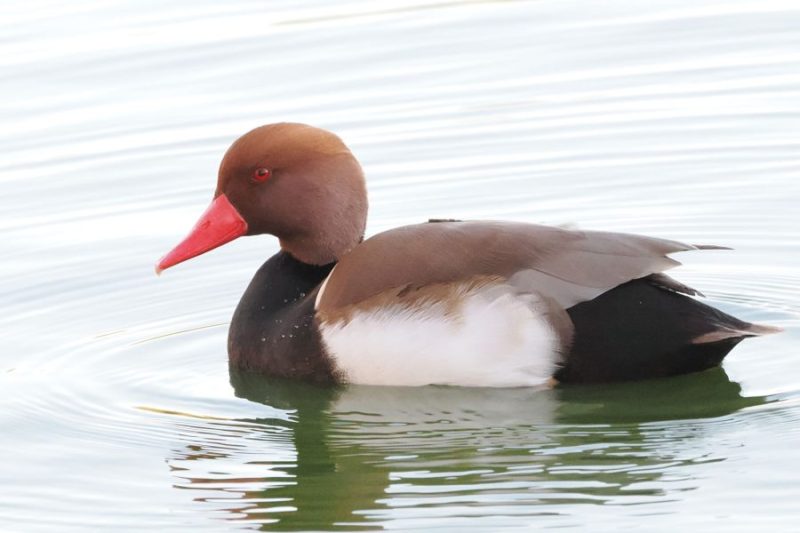
- Wintering and Migratory Passage: Key site for Common Scoter (Aythya ferina) and Red-crested Pochard (Netta rufina). During passage, it is excellent for Herons (Grey Heron, Purple Heron ) and Waders (sandpipers and shanks).
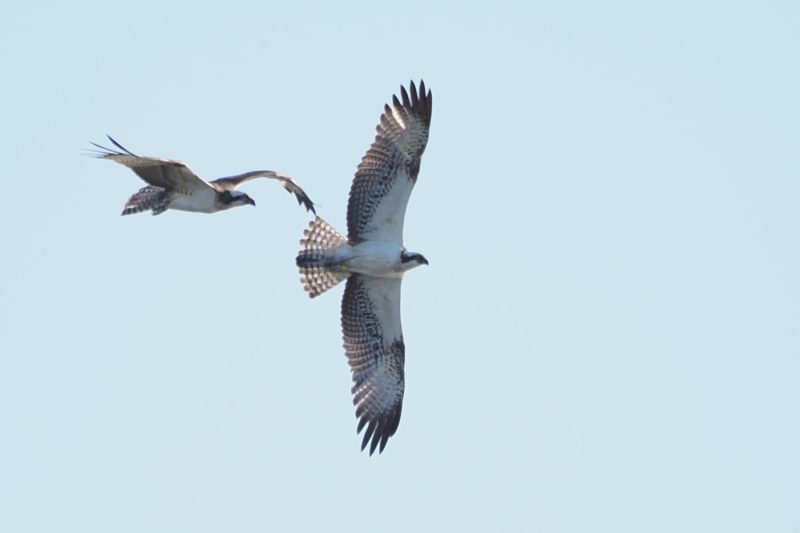
- Associated birds of prey: The Marsh Harrier (Circus aeruginosus) is resident and nesting. It is a hunting area for the Osprey (Pandion haliaetus) in winter.
Ideal Season: All year round. Optimal in autumn-winter for wintering ducks and in spring for breeding and passage.
Description of the area: It comprises the northwestern strip of the province, where the Guadalquivir River meets the Atlantic Ocean. It is a territory of tidal marshes, canals, Northern pikes and salt marshes (such as those of Bonanza), and forest islands (pine forests of La Algaida). It is the natural extension of the Doñana National Park (G3 Guide) and shares its ecological richness.
The Guadalquivir Marshes
Key Species and Ornithological Value:
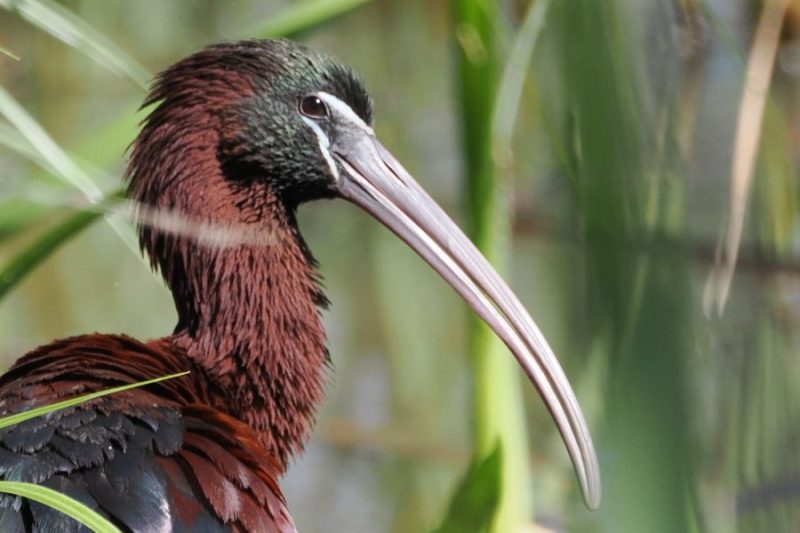
- Emblematic Waterbirds: One of the best areas to observe the Spoonbill (Platalea leucorodia) (breeding in La Algaida) and the Glossy Ibis (Plegadis falcinellus). Large concentrations of Greater Flamingo (Phoenicopterus roseus)).
- Specialized Birds of prey: Wintering grounds of the Spanish Imperial Eagle (Aquila adalberti) and the Red Kite (Milvus milvus).
- Waders and Anatidae: The Trebujena marshes and salt marshes are vital for Sandpipers, Plovers, Godwits and Pintails (Anas acuta).
Ideal time: Winter and spring. The marshes are full of water and birds. Summer can be very dry.
Description of the area: A contrast of habitats in a short distance: the cliffs of La Breña (with pine forests) and the marshes of the Barbate River. It offers observation of marine, rocky and marshland birds in the same enclave.
Cliffs and Marshes

Key Species and Ornithological Value:
- Sea and rocky birds: The cliffs are home to colonies of Alpine Swifts (Alpine Swifts, Pallid Swifts), Lesser Kestrels (Falco naumanni) and are nesting sites of the Peregrine Falcon (Falco peregrinus). Shearwaters can be seen when there is a swell.
- Marshland Birds: The mouth of the Barbate attracts Herons, Black-winged Stilts, Plovers and, at high tide, concentrations of Whimbrels (Numenius phaeopus).
Ideal Season: Spring and summer for breeding shorebirds. Autumn and winter for seabirds and waders in the marsh.
Area Description: An extensive intertidal complex of marshes, estuaries and active and abandoned salt marshes surrounding the capital. It includes areas such as La Yeguada, Los Tollos, La Algaida (in San Fernando) and El Algarrobo. It is a wetland of international importance (Natural Park).
Salt Flats and Marshes Complex
Key Species and Ornithological Value:
- Birds of Salinas: It is the main habitat for the Common Tern (Sterna hirundo) and Sandwich Tern (Thalasseus sandvicensis), which nest on salt marsh islets. Also for the Avocet (Recurvirostra avosetta) and the Black-winged Stilt (Himantopus himantopus).
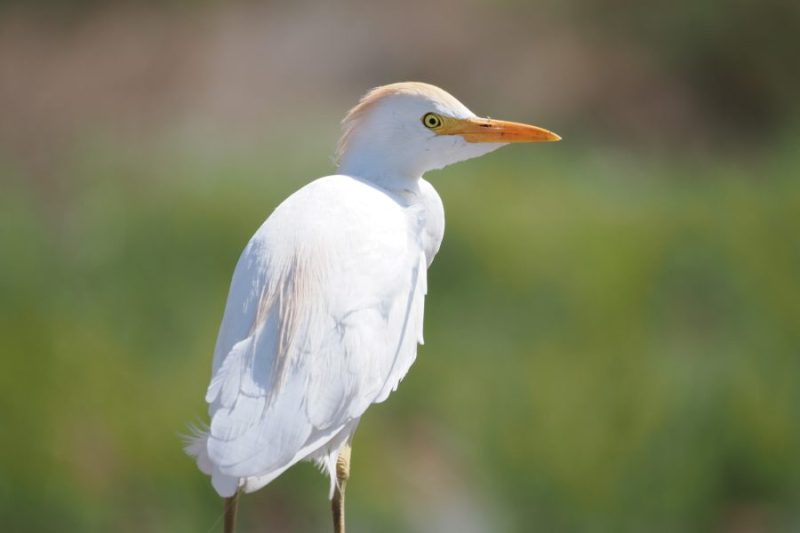
- Herons and Spoonbills: Important colonies of Little Egret (Egretta garzetta), Cattle Egret (Bubulcus ibis) and Great White Egret (Egretta alba). Spoonbill feeding site.
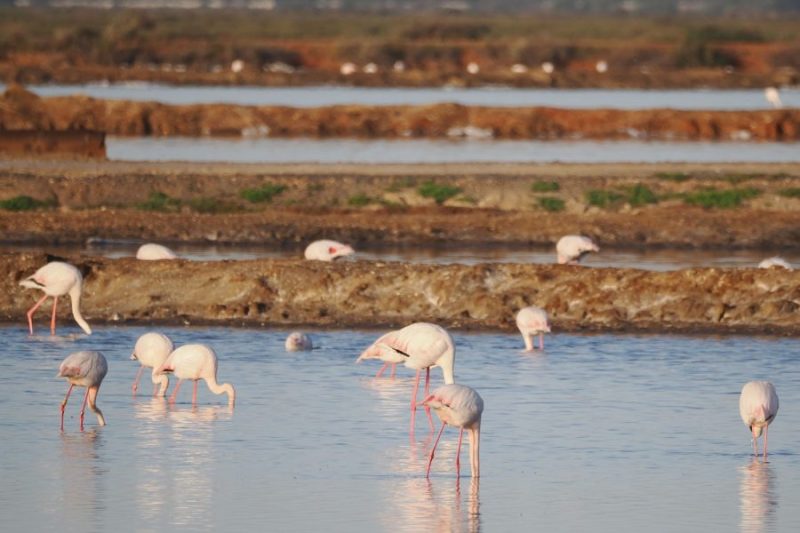
- Greater Flamingoes and Glossy Ibis: Large groups of Flamingoes feed in the estuaries. Common Glossy Ibis are usually present.
Ideal Season: Spring and summer for breeding terns and waders. All year round for herons and Greater Flamingos.
Area Description: Limestone massif with the highest rainfall in the Peninsula, famous for its forests of Pinsapo (endemic fir), canyons and rocky cliffs. A unique mountain habitat. G3 Guide to the Sierra de Grazalema Natural Park.
The Wet Mediterranean Mountains
Key Species and Ornithological Value:
- Rupicolous Raptors: Home to one of the largest colonies of Griffon vulture (Gyps fulvus) in Andalusia. Also nesting Golden Eagle (Aquila chrysaetos) and Egyptian Vulture (Neophron percnopterus).
- Specialized Forest Birds: The pinsapares are home to the Blue Tit (Cyanistes caeruleus), Coal Tit (Periparus ater) and Short-toed Treecreeper (Certhia brachydactyla). In rocky areas, the Black Wheatear (Oenanthe leucura).
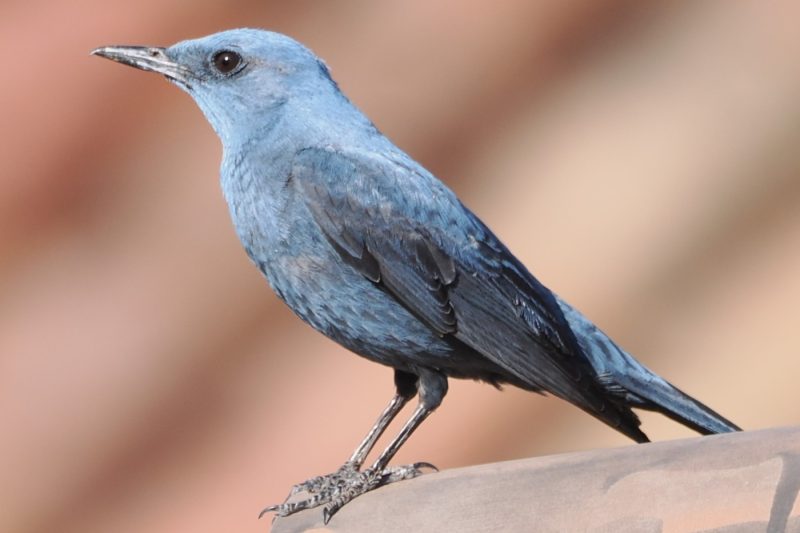
- Other Specialties: Common Rock Thrush (Monticola saxatilis) can be seen in summer if you are lucky.
Ideal time: Spring for breeding activity and green landscape. Autumn for deer rutting and migration.
Area Description: The largest continuous cork oak forest in the world, with deep and humid valleys called “canutos” that harbor relict vegetation from the Tertiary Era. It is an authentic Mediterranean forest. G3 Guide to Los Alcornocales Natural Park.
The Mediterranean Rainforest
Key Species and Ornithological Value:
- Forest Raptors: Territory of the Booted Eagle (Hieraaetus pennatus), Short-toed Eagle (Circaetus gallicus), Ghoshawk (Accipiter gentilis) and Sparrowhawk (Accipiter nisus).
- Woodpeckers: Iberian Green Woodpecker (Picus sharpei) and Great Sp. Woodpecker(Dendrocopos major).
- Woodland Passerines where abound Azure-winged Magpies (Cyanopica cooki), Warblers (Sardinian, Orphean) and the Long-tailed tit (Aegithalos caudatus).
Ideal time: Spring, when the forest is full of life and song. Also in autumn.
Area Description: Extensive plains of cereal crops, vineyards, olive groves and patches of scrubland, which represent the traditional steppe and agricultural habitat, today highly threatened by intensification.
Traditional Agricultural Landscape
Key Species and Ornithological Value:
- Steppe Birds: Last refuge for Little Bustard (Tetrax tetrax) and Pin-tailed Sandgrouse (Pterocles orientalis) in the area.
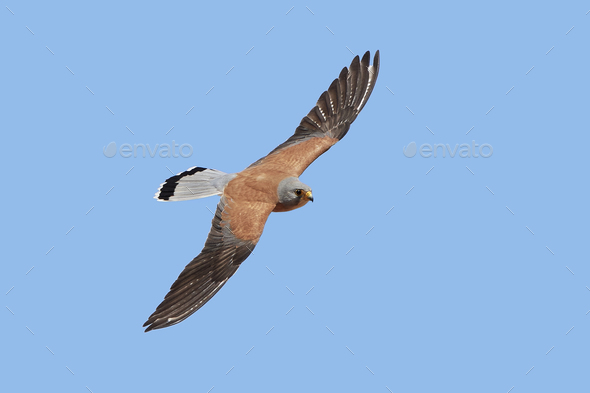
- Raptors of Open Areas: Montagu’s Harrier (Circus pygargus) and Lesser Kestrel (Falco naumanni) breeding area. Presence of the Black-shouldered Kite (Elanus caeruleus).
- Other Specialties: Stone Curlew, European Great-spotted Cuckoo (Clamator glandarius) and European Roller (Coracias garrulus).
Ideal time: Spring (March-June) for steppe birds in mating season and raptor breeding. Avoid summer, when there is little activity.

Birds almost exclusive to Cádiz: The African outpost in Europe
The province is home to still small populations of birds typical of the Maghreb and North Africa, making its avifauna a symbol of climate change and the “Africanization” of Spanish avifauna.
The Strait of Gibraltar is a biogeographical frontier of the first order. On the one hand, it acts as an obligatory bridge for millions of migratory birds traveling between Europe and Africa. On the other hand, it has historically functioned as an effective barrier for many sedentary species, marking the northern limit of distribution of African fauna and the southern limit of European fauna.
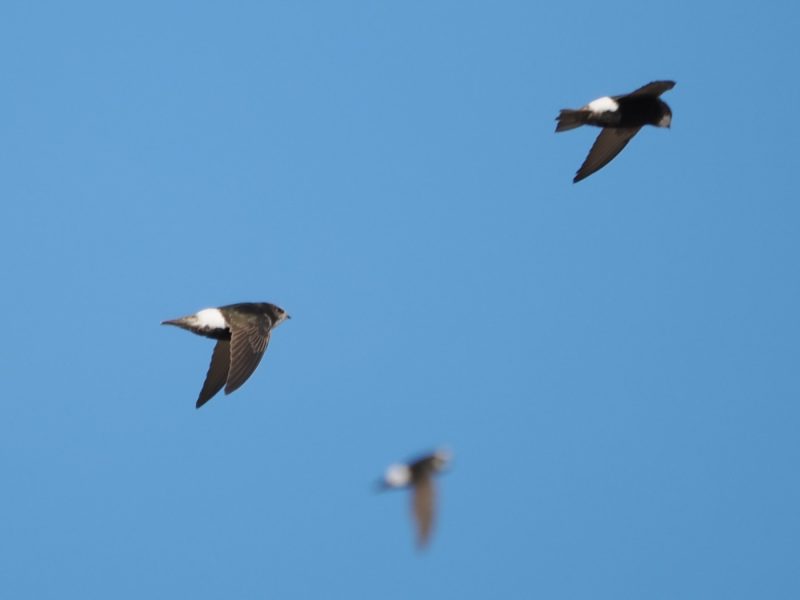
✅ Little swift (Apus affinis)
The smallest of the European swifts, unmistakable by its white obisk. In Europe, it only breeds regularly in a few localities of the province where it is a resident species. Its stable presence is a very recent phenomenon. The province of Cadiz is home to up to five species of swifts, out of 90 that the family counts worldwide. Undoubtedly, the #1 place for the diversity of swifts in Europe.
✅ Common Bulbul (Pycnonotus barbatus)
Typical bird of gardens and groves of North Africa. In Europe, its only naturalized and expanding population is in the city of Cadiz, especially in the gardens and parks of the historic center, for example in Tarifa. Listening to its melodic and flute-like song among the bougainvilleas of the city of Cadiz is a surreal experience. It is a clear example of a “colonizing” species that has crossed the Strait of Gibraltar.
✅ Saharan bunting (Emberiza sahari)
Spectacular case of recent colonization. In all of Europe, there is only one breeding population, and it is in the province of Cadiz, in Algeciras. Recent scientific article: Bridging continents… It is a bird of pale and grayish tones, perfectly adapted to arid environments. Seeing it here is like being transported to the Moroccan Atlas.
✅ Rüppell’s Vulture (Gyps rueppellii)
Known as “Rüppell’s Vulture” or “buitre de Rüppell” in Spanish, it is found in the region of the Strait of Gibraltar and its presence has been increasingly frequent in recent years. It is now considered a regular, though scarce, resident in southern Spain and northern Morocco, and is often seen alongside Griffon vultures(Gyps fulvus). More information in Rüppell’s Vulture (Gyps rueppellii): a new vulture species for Europe?
✅ Other species of African origin.
In recent decades, the south of the Iberian Peninsula has become a living laboratory of colonization, where several species of African birds are crossing the Strait of Gibraltar to settle permanently. This phenomenon places the region, especially the provinces of Cadiz and Malaga, as the epicenter of the “Africanization” of European avifauna.
●
● Future candidates. Very common species in Morocco and with regular sightings in Cadiz. Laughing Dove (Streptopelia senegalensis), Red-rumped Redstart (Phoenicurus moussieri) and the Bare-rumped Falcon (Falco biarmicus).
Iberian endemic species: unique treasures present in Andalusia
The Iberian Peninsula, together with the Balearic Islands, is home to an exceptional natural heritage, defined by its geographical isolation and its diversity of habitats. This territory is the exclusive home of a group of birds that are not found naturally anywhere else in the world. These endemic species are true evolutionary treasures and symbols of the Iberian natural identity.
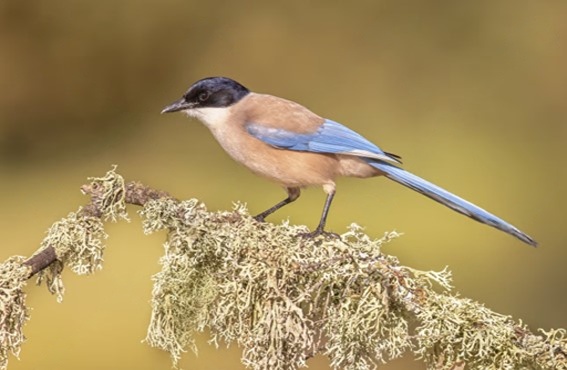
The peninsula’s role as a refuge during the glaciations and its subsequent separation by the Pyrenees and the sea favored speciation, giving rise to unique birds that today are jewels of conservation and the pride of European biodiversity.
✅ Spanish Imperial Eagle (Aquila adalberti)
The supreme emblem of the Iberian fauna. More endangered than its eastern cousin, this majestic raptor breeds exclusively in the center and southwest of the Iberian Peninsula. Its survival, recovered after decades of effort, is the great success of Spanish conservation. It is observed in La Janda and agricultural areas.
✅ Iberian Woodpecker (Picus sharpei)
Recently recognized as a separate species from the European Green Woodpecker(Picus viridis). It is a characteristic inhabitant of pastures and Mediterranean forests, where its drumming and call give away its presence in almost all the peninsula.
✅ Iberian chiffchaff (Phylloscopus ibericus)
This small and active bird of green and yellow tones breeds in the humid forests of the north and west of the Iberian Peninsula, from Galicia to the Central system. During migration it can be seen elsewhere, but its breeding heartland is exclusively Iberian. It is most easily detected by its distinctive song.
✅ Iberian Azure-winged Magpie (Cyanopica cooki)
One of the most fascinating evolutionary stories. While its “blue-tailed” relatives live in East Asia, this species is confined to central and southern Iberia. Its adaptation to dehesas and agricultural areas, and its social and noisy nature, make it unmistakable.
✅ Iberian Southern grey shrike (Lanius meridionalis)
This imposing black-masked shrike is the predator of the Iberian scrublands and open fields. Its powerful beak and territorial character define it as a species of its own, separate from the Northern grey shrike.
✅ Balearic Shearwater (Puffinus mauretanicus)
This low-flying seabird breeds exclusively in the Balearic Islands, on cliffs and islets. Outside the breeding season, it disperses throughout the western Mediterranean and adjacent Atlantic. It is observed passing through the waters of the Strait of Gibraltar. It is the most endangered seabird in Europe, a symbol of marine conservation.
Emblematic birds of Spain – dazzling wildlife
The ornithological richness of Western Andalusia is spectacular and allows for memorable observations throughout the day.
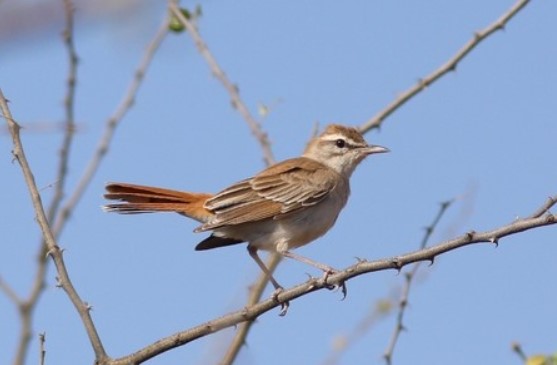
Beyond strict endemisms, the Iberian avifauna has species that, due to their uniqueness, their dramatic conservation history or their powerful presence in the landscape, have become true ambassadors of biodiversity. These emblematic birds represent the successes, challenges and unique natural wealth of the peninsula, acting as flags for the protection of its ecosystems.
✅ Northern bald ibis (Geronticus eremita)
The bird of rebirth. This bird of unmistakable appearance, critically endangered worldwide, has found its last European refuge on the coasts of southern Spain (especially in Cadiz). Its successful reintroduction through a captive breeding and controlled release project is one of the great successes of modern conservation.
✅ White headed Duck (Oxyura leucocephala)
A diving duck with a striking blue bill and white head, one of the most unique and endangered waterbirds in Europe, an emblem of Andalusian wetlands. Spain hosts most of its world population, with strongholds in wetlands of Andalusia, Castilla-La Mancha and Murcia. Their survival depends entirely on permanent water lagoons in good ecological condition.
✅ Griffon vulture (Gyps fulvus)
This spectacular necrophagous is not endemic, but the Iberian Peninsula is home to the densest and healthiest population in the world. It is among the 15 largest birds in the world. Its colonies on the crags of mountain ranges such as Grazalema, the Picos de Europa or the Pre-Pyrenees are a natural spectacle and a vital ecosystem service, symbol of a wild and functional nature.
✅ Rufous-tailed Scrub-Robin (Cercotrichas galactotes)
Orange-tailed passerine with a melodious song, symbol of well-preserved Mediterranean agricultural landscapes. Closely linked to crops such as goblet vineyards and traditional olive groves, its decline warns of agricultural intensification. It is an “Africanized” species whose European heart beats in the south of the peninsula.
Cádiz wetlands: where to fill in the field notebooks
The ecosystem with the greatest diversity of birds is undoubtedly the wetlands. In particular, Mediterranean lagoons are home to very important populations, both for the number of individuals and for the uniqueness of their species, many of which are not usually seen in northern Europe. Guide to the waterbirds and wetlands of Andalusia.
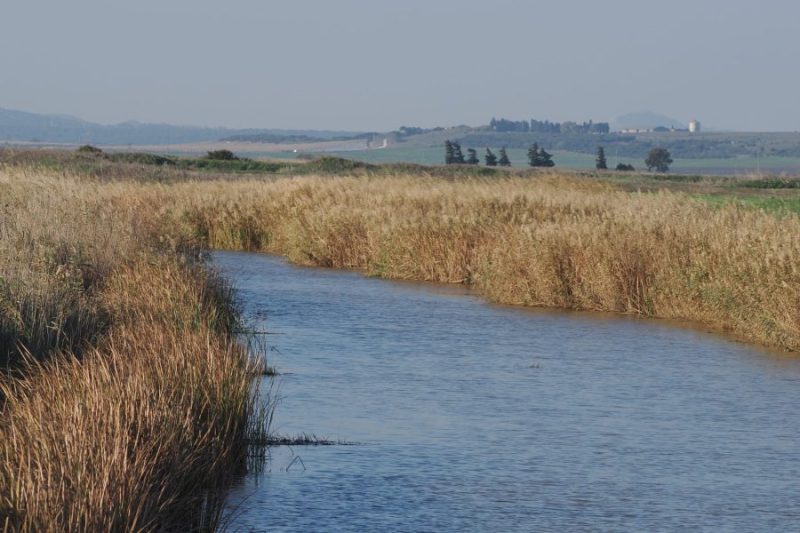
A combination of habitats and strategic position explains the exceptional presence of large concentrations of birds throughout the year. The broad plains of the Guadalquivir Depression and the estuary at its mouth give rise to vast expanses of wetlands. Although often overlooked, a significant part of the Doñana natural area extends through the territory of the province of Cadiz. In addition, the area is located at a unique biogeographical crossroads: it is a key point on the Atlantic migratory route (north-south) and a corridor between the Atlantic and the Mediterranean (east-west).
✅ Spoonbill (Platalea leucorodia)
Among the waders, one of the most elegant and emblematic waterbirds of the European wetlands stands out, easily recognizable by its long flat bill that it uses with a unique lateral movement to filter small organisms from the water. For some years now, its passageway over the Barrosa Beach has been monitored during its autumn migration towards the south. In the province of Cadiz, this species finds one of its most vital territories, using the marshes, salt marshes and coastal lagoons as essential feeding areas and, increasingly, as breeding grounds.
✅ Red-knobbed Coot (Fulica cristata)
This species of the family of the Balidae is easily confused with the Common Coot. This skilled diver finds in the Cadiz wetlands one of its last and most important European strongholds. Its population, subject to strong fluctuations, is an indicator of the health and stability of these fragile aquatic ecosystems.
✅ Ferruginous Duck (Aythya nyroca)
Among diving ducks, it stands out as a discreet and elegant species, recognizable by its reddish-brown plumage, distinctive white eyes and bluish-gray bill. This duck, of shy habits and linked to wetlands with abundant emergent vegetation, finds in the well-preserved lagoon complexes and marshes of the province some of its last refuges at the national level.
✅ Temminck’s Stint (Calidris temminckii)
The shallow marshes of Cadiz are a paradise for waders, with up to 27 species regularly sighted each year. Among this cast of travelers, the Temminck’s Stint stands out as one of the most discreet and delicate. Of grayish tones and stealthy behavior, it is identified by its fine dark bill. It is a rare but regular visitor during migratory passages.
✅ Caspian Tern (Hydroprogne caspia)
Majestic and powerful, the Caspian Tern holds the title of the world’s largest tern. It is unmistakable for its large size, its robust beak of an intense coral red and its elegant flight, which culminates in spectacular fishing dives. It is especially common in the salt flats of San Fernando and Chiclana. Its stable presence is an excellent indicator of the health of coastal ecosystems.
In conclusion
As a final summary, it can be stated that the province of Cadiz is one of the areas with the greatest richness and diversity of birds in Europe.
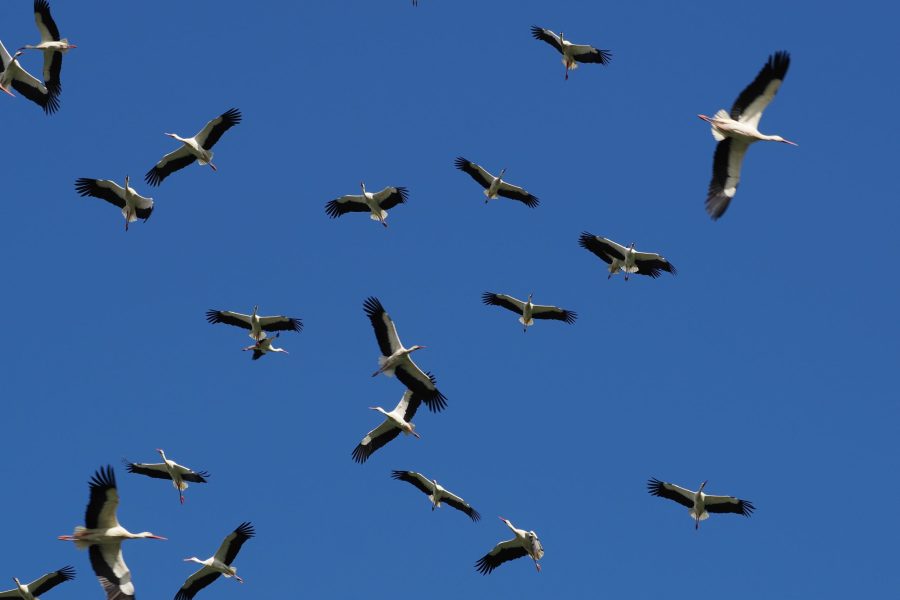
This statement is supported by a unique combination of geographic and ecological factors due to its strategic geographic position and the diversity of habitats present in a small area.
Strategic position
Its location in the Strait of Gibraltar, the main migratory bottleneck between Europe and Africa, makes it the scene of the largest gliding bird migration spectacle on the continent. Its position facilitates the detection of rarities and attracts the most committed ornithologists.
Diversity of habitats in a small space
It concentrates a complete gradient of Mediterranean and Atlantic ecosystems -from marshes, salt marshes and beaches, to cork oak forests, limestone mountain ranges and steppe fields-that harbor radically different bird communities.
High density of emblematic and endangered species
It is home to crucial populations of birds such as the Spanish Imperial Eagle, Egyptian Vulture and Pin-tailed Sandgrouse, as well as hosting the only European colony of Little swift and a successful reintroduction program for the Northern bald ibis. The increasing appearance of African species provides exoticism for the European birdwatcher.
Leave a Reply