
What you will find in the nature tour
- Ten outstanding protected natural areas
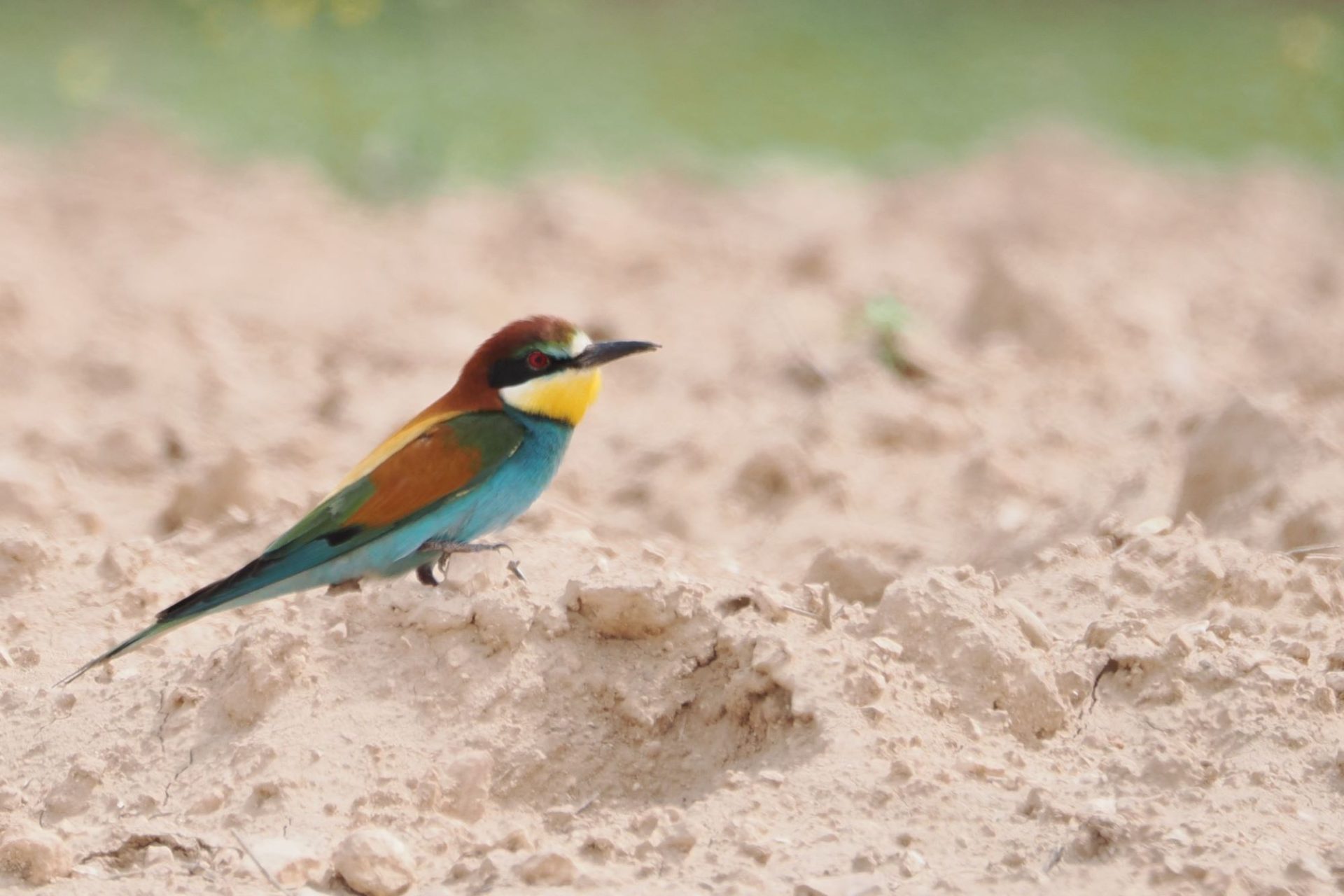
- Abundance of birds, insects, reptiles and Mediterranean flora
- Telescopes, microscopes, sound parabolas, UV flashlights, etc.

Malaga

Spring

Up to 7 days of activity

Private groups
Biodiversity in Malaga
The province of Malaga is ideally situated between the arid mountainous landscapes of Granada and the wetland-rich plains of western Andalusia. The biodiversity and contrasting landscapes provide a spectacular, if somewhat unknown, tour that explores a territory with one of the most varied geologies in Europe.
Ecosystems visited
We will visit coastal and inland wetlands, a wild beach along the Mediterranean coast, mountain ranges full of cliffs and karst formations, steppe farmlands, dense and diverse forests, well-preserved streams and rivers, and a variety of grassland and scrub habitats.
The richness of the Mediterranean
In short, the trip will cover most of the favorable ecosystems in this “hotspot” for biodiversity… the Mediterranean area being one of the 36 “hotspots” worldwide. We will visit the most famous protected natural areas of the province. So be ready with your camera.
Observation of fauna
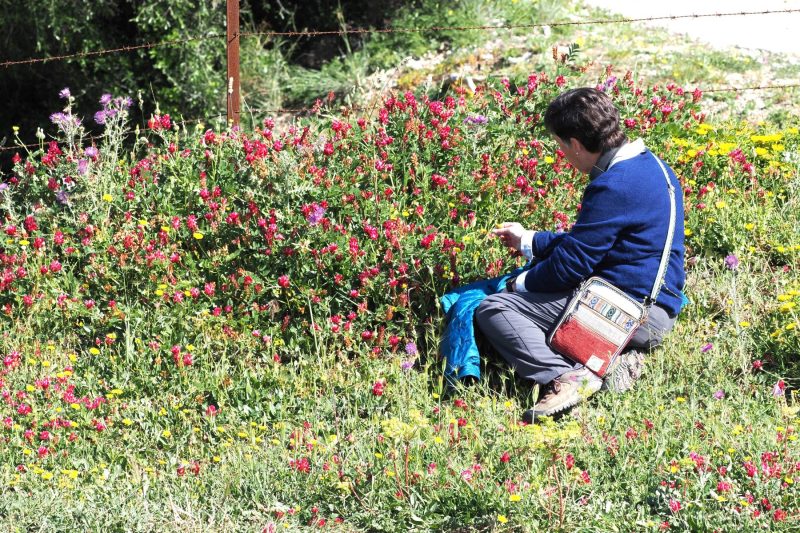
We will focus on fauna in general, enjoying of course bird watching, although we will also pay attention to butterflies, dragonflies and other insects, birds, mammals, without forgetting the main Mediterranean plants that dominate the vegetation and we will go through some geology to understand the landscapes.
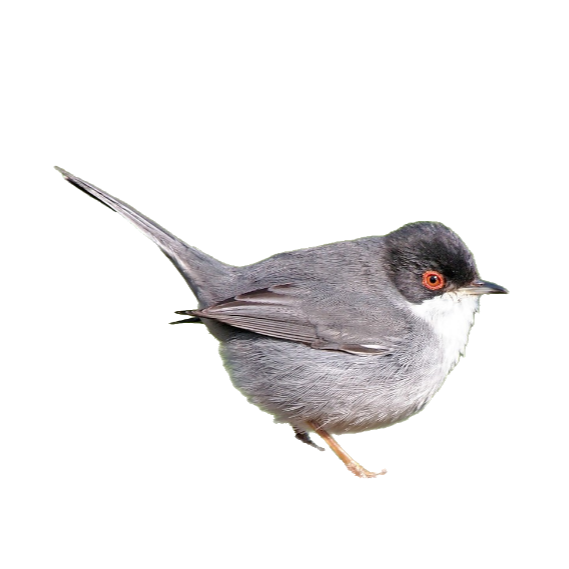
Mediterranean species present in the province of Málaga
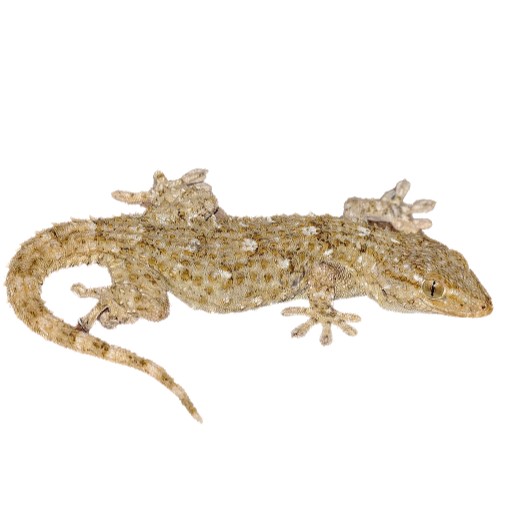
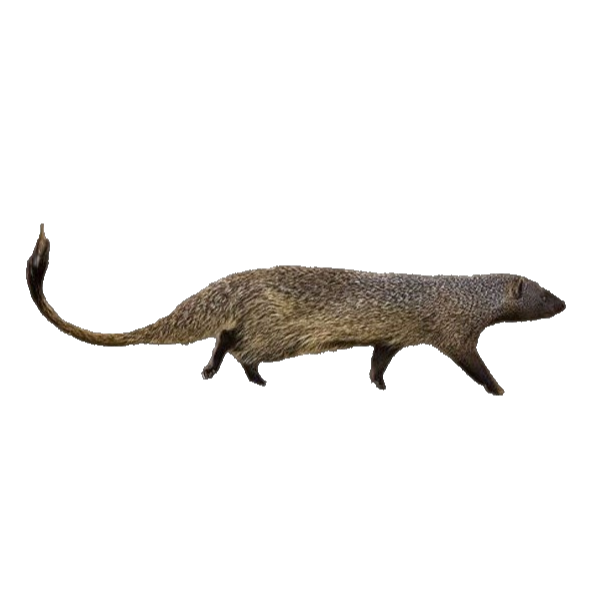
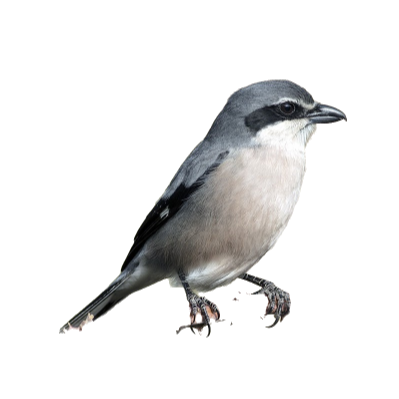

Private Naturalist Tour in Malaga
Tour variants and options
The trip links several one-day tours, linked according to your particular needs and interests, following G3-guides’ proposal to offer tailor-made trips.
We recommend rural hotels and away from the usual tourist circuits to enjoy the tranquility and support rural populations.
Additional information

The “plus”. The mild climate of the Mediterranean coast is always pleasant.
Includes
- Specialized professional guide
- High-end telescopes
- High-end binoculars
- List of potential species
- Door-to-door passenger pickup/destination
- Accident insurance
Program for a 7-day tour in the province of Malaga
DAY 1 : Transfer from Malaga Airport – Guadalhorce river mouth
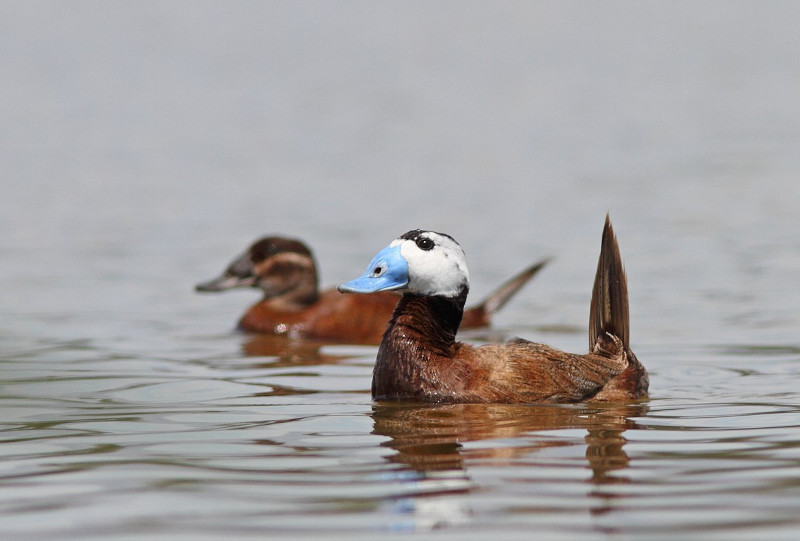
We will move quickly to possibly the best birding spot in Malaga, the Desembocadura del Guadalhorce, where a great diversity of waders and waterfowl (among others, the white-headed duck) awaits us. We will explore a natural beach and look for seabirds. Then we will travel and stay near Antequera for two nights.
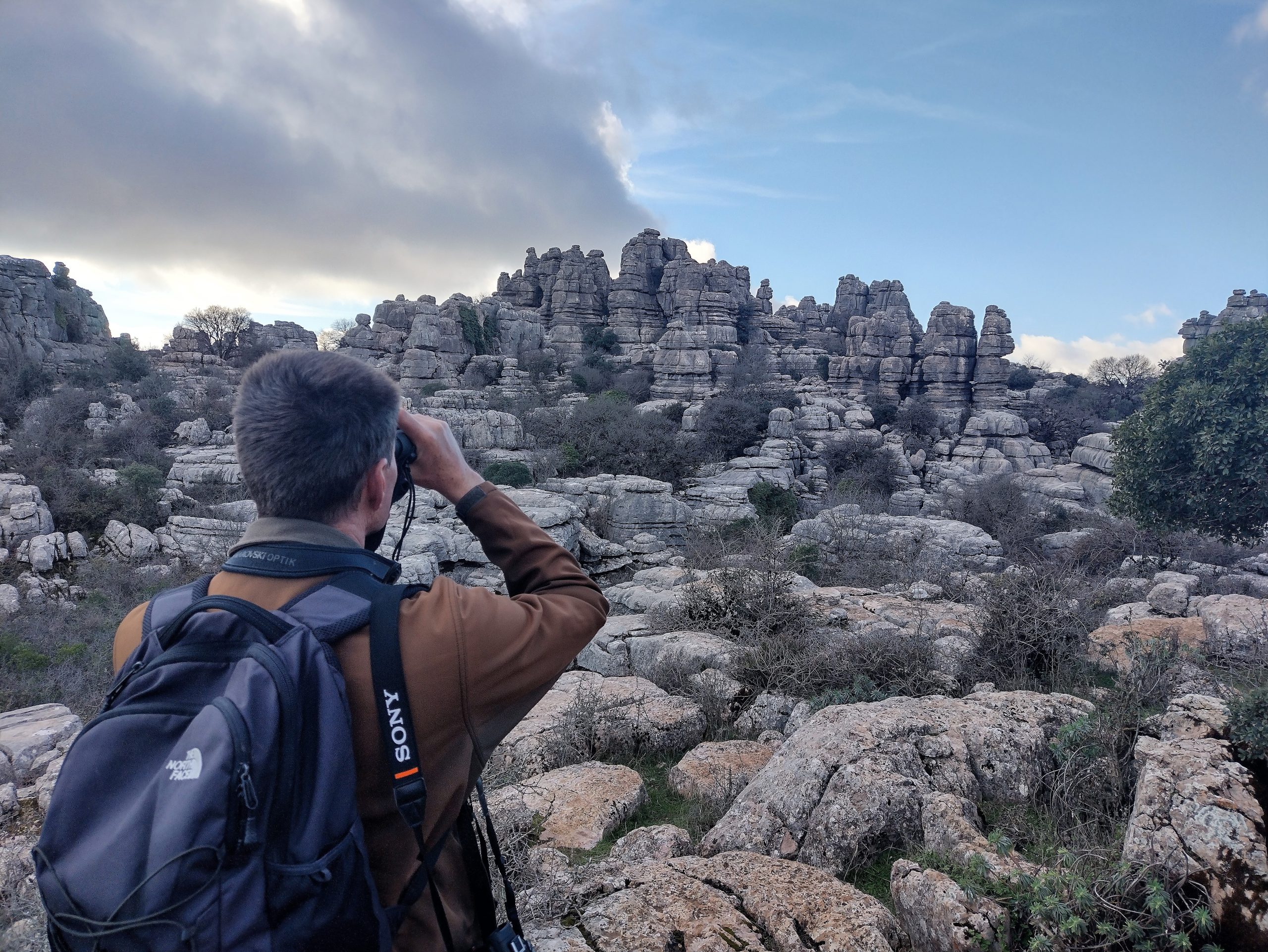
DAY 2 | Torcal de Antequera – Steppe Birds – Fuente de Piedra
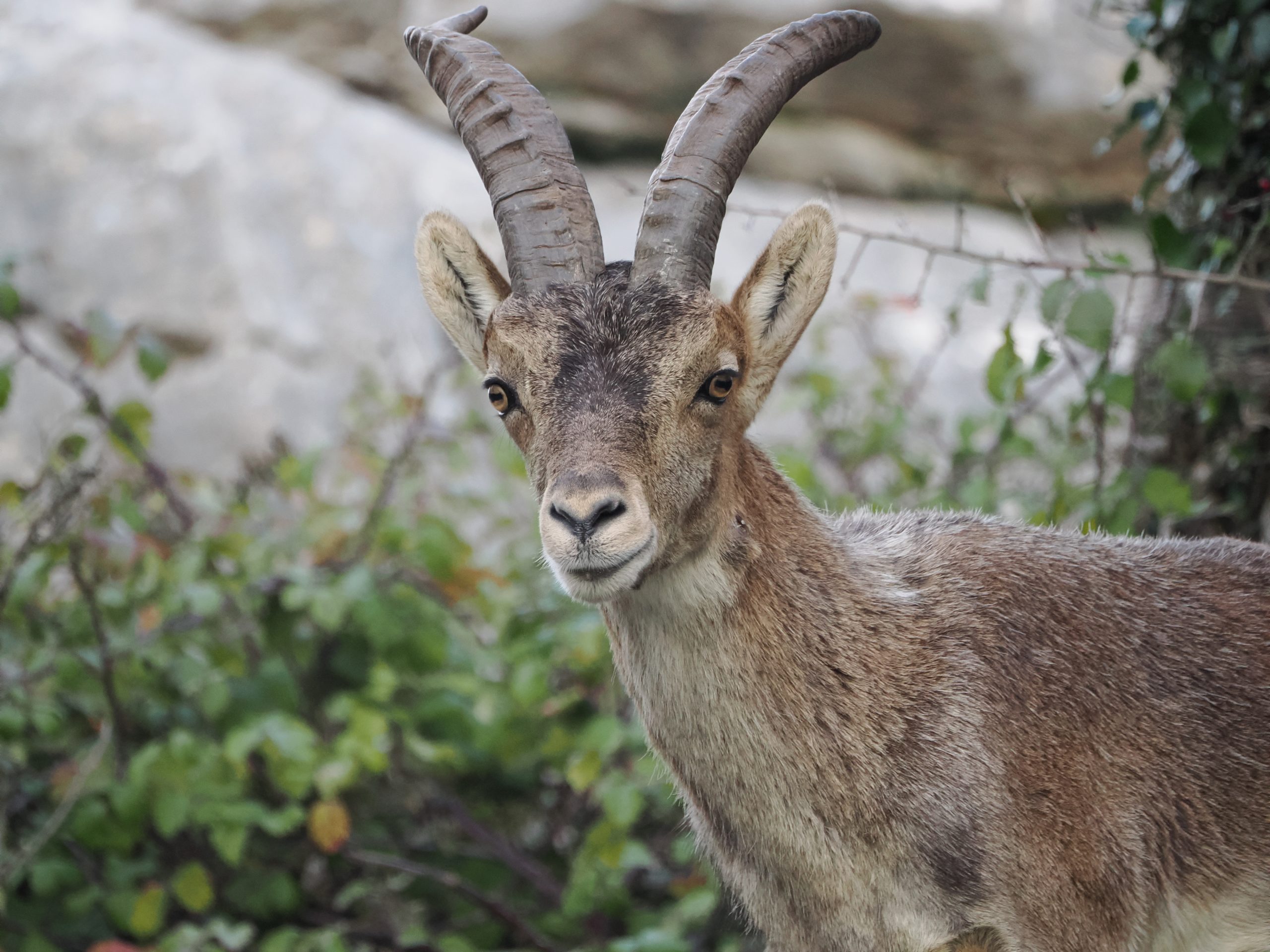
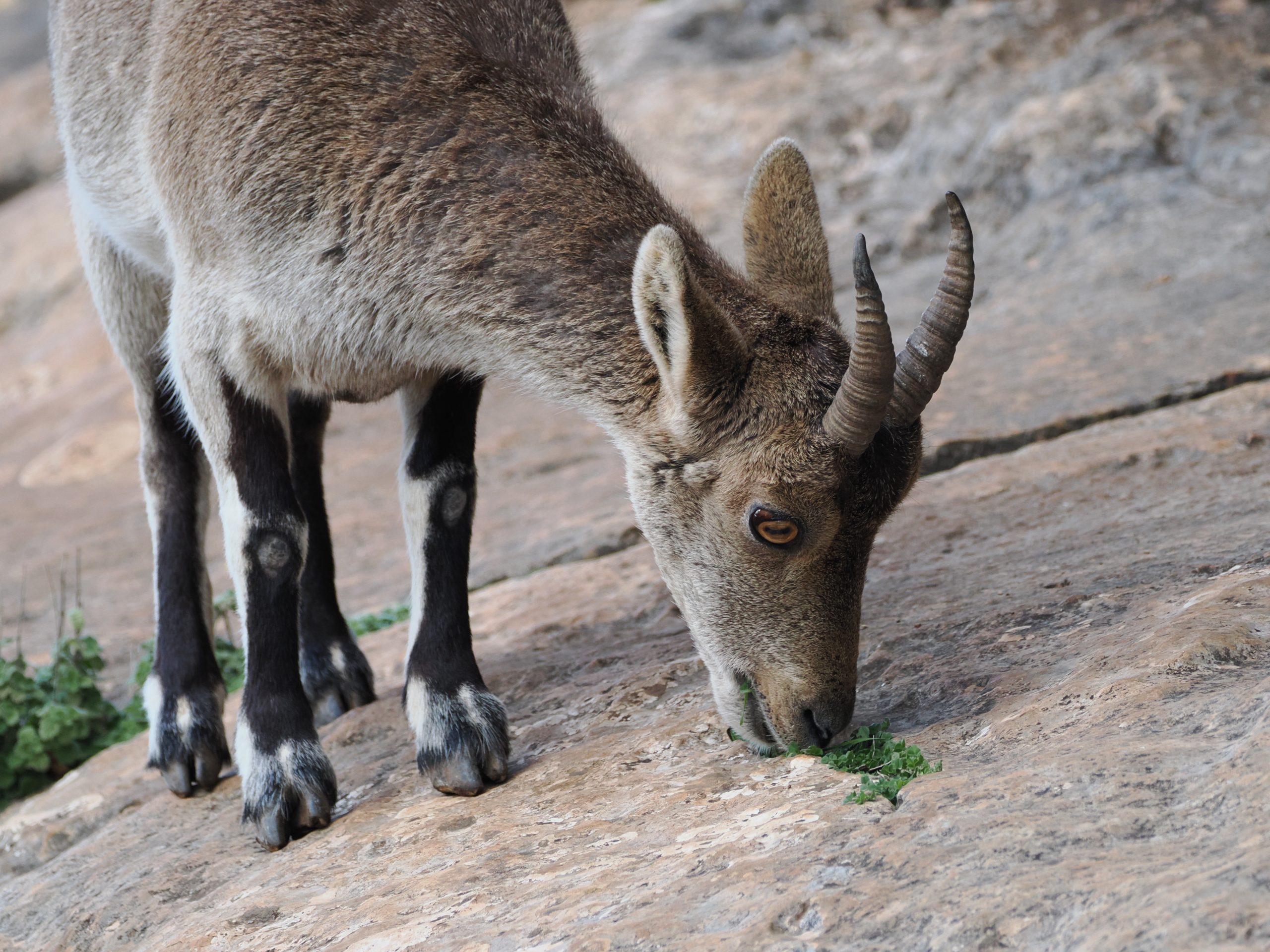
A morning dedicated to the most famous Iberian karst landscape: the Torcal de Antequera, a labyrinth of cliffs and eroded rocks, home to the ibex, the solitary rock thrush and the black wheatear. Various orchids and Mediterranean butterflies take refuge in the limestone pastures. Next, we will head to agricultural lands where we will look for steppe birds: larks, kestrels, etc. We will finish our day in Fuente de Piedra, the wetland that hosts the largest colony of flamingos in Spain.
DAY 3 | El Chorro, Caminito del Rey and Tajo de Ronda
A large colony of griffon vultures awaits us in El Chorro, along with other birds of prey. The mountain scenery is impressive. The discreet Bonelli’s eagle is a target for the day. The Caminito del Rey is a very popular trail. Later, we will travel to the charming town of Ronda, where a walk allows us to discover the best preserved landscape of the province, with agricultural crops, fruit trees and its many insects. We will stay three nights in the Serranía de Ronda in the picturesque white village of Benarrabá.

DAY 4 : Los Alcornocales and insect trapping at night
A great circular tour in the province of Cadiz where the humidity is higher and the vegetation is lush. We will discover Los Alcornocales, the largest cork oak forest in Europe. We will look for insects, birds and flowers in forests, meadows, meadows, feeding points of vultures and rivers. With luck, we will observe the curious territorial behavior of butterflies (hill-topping). Night trapping will allow us to detect nocturnal invertebrates (moths, mantises, etc.).

DAY 5 : Sierra de Grazalema
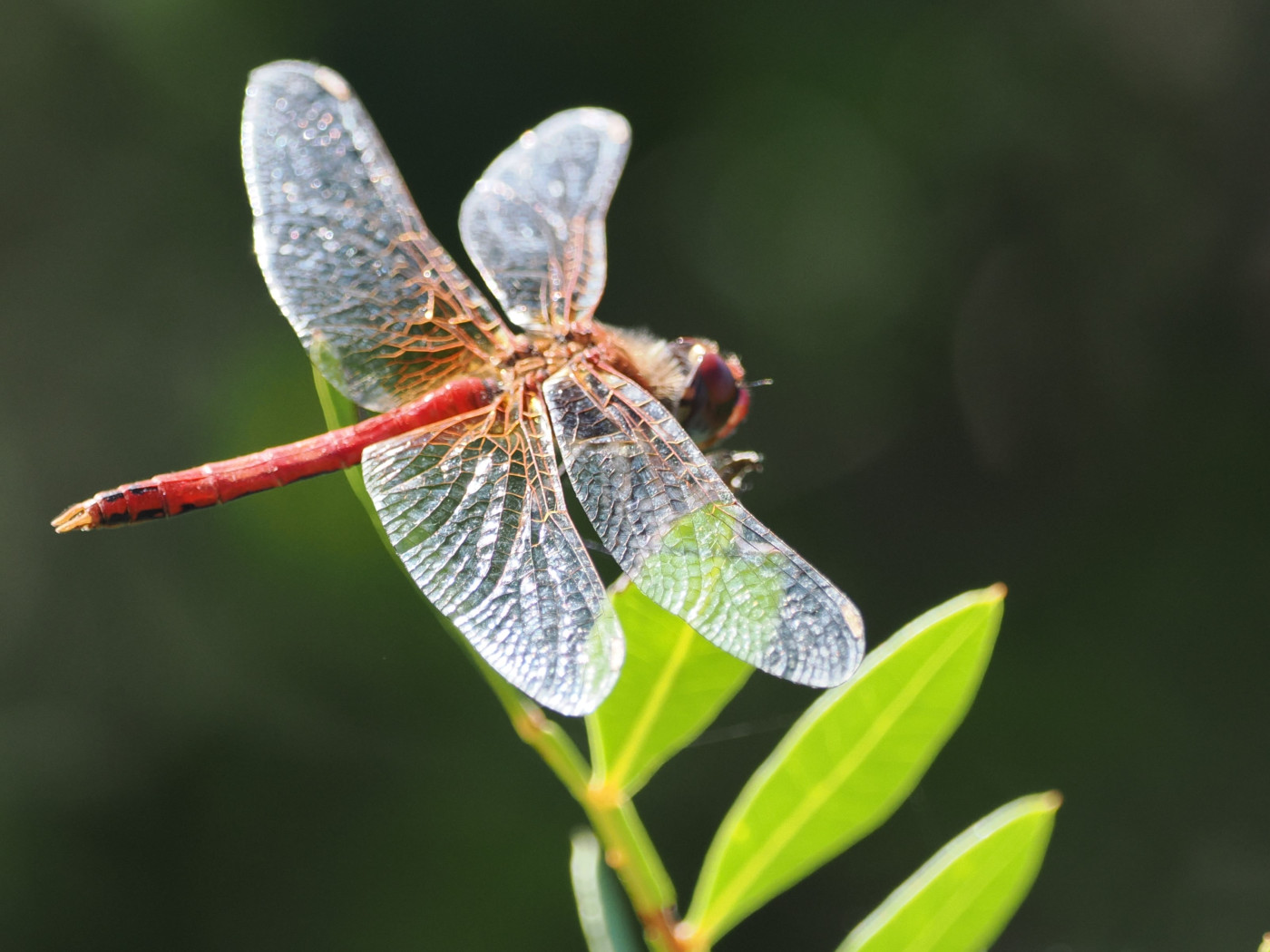
The Serrania de Ronda is celebrated since the travelers of the nineteenth century, for the beauty of its city, its folklore and especially for its nature. We will explore the Llanos de Líbar, in the Sierra de Grazalema, a large meadow of gall oaks, surrounded by cliffs and grazed by sheep and goats. A little known site, but surprising and rich in fauna and flora. There will be numerous opportunities to observe mountain birds. In the afternoon, on the way back, we will cross the Guadiaro river (dragonflies).
DAY 6 | Sierra Bermeja and Sierra de Las Nieves
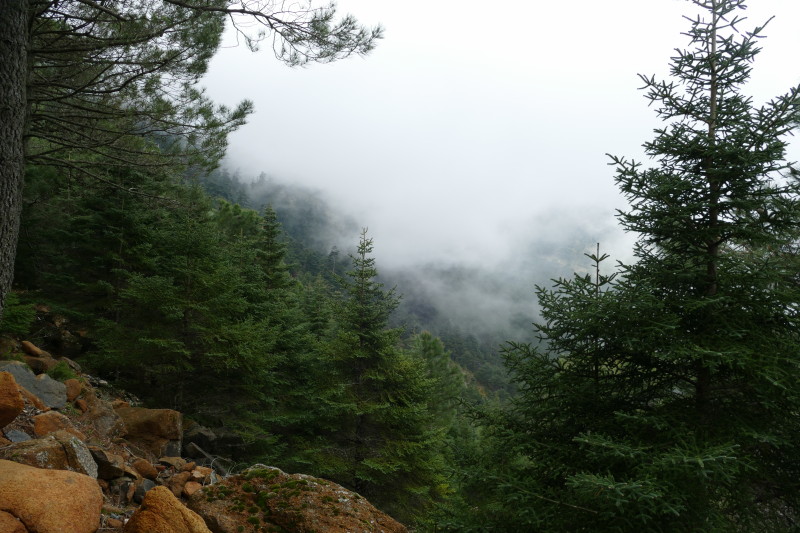
Crossing of the Genal valley and visit of Sierra Bermeja, a red mountain made of peridotite and home of the endemic Spanish fir (Abies pinsapo). Beautiful panorama over the coast. We will visit small rivers on the Costa del Sol, south of the Sierra de las Nieves national park, with the greatest diversity of aquatic life (dragonflies, fish), etc. The variety of habitats allows for very good observations. We will stay near Malaga.
DAY 7 : Return and farewell
Transfer in the morning for an early and safe return. We hope you enjoyed the trip.