


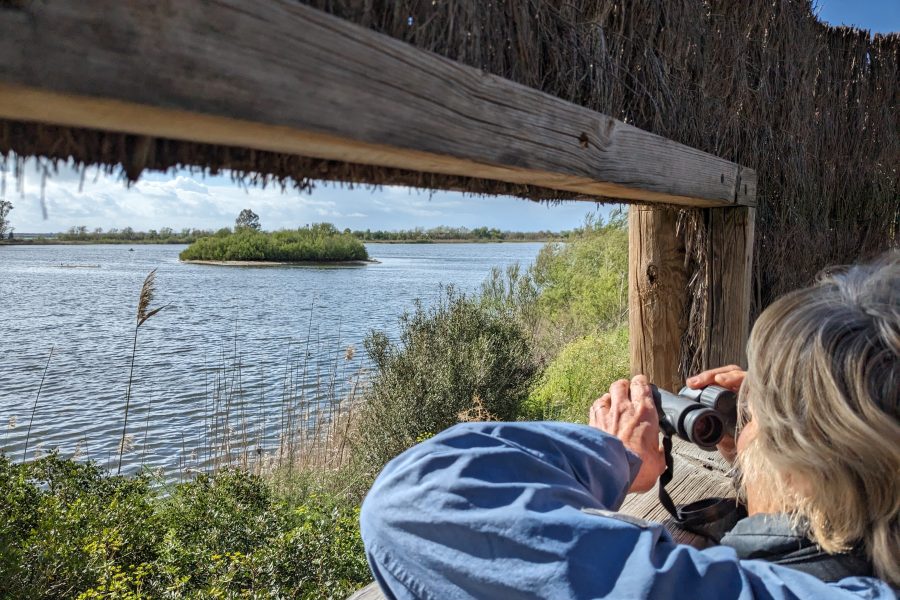
Andalusia is a region of legendary natural wealth, where the confluence of Mediterranean and Atlantic climates, mountainous reliefs and endless plains condenses the essence of European biodiversity and offers more than 450 species of birds. Here an exceptional ornithological journey awaits all nature lovers.
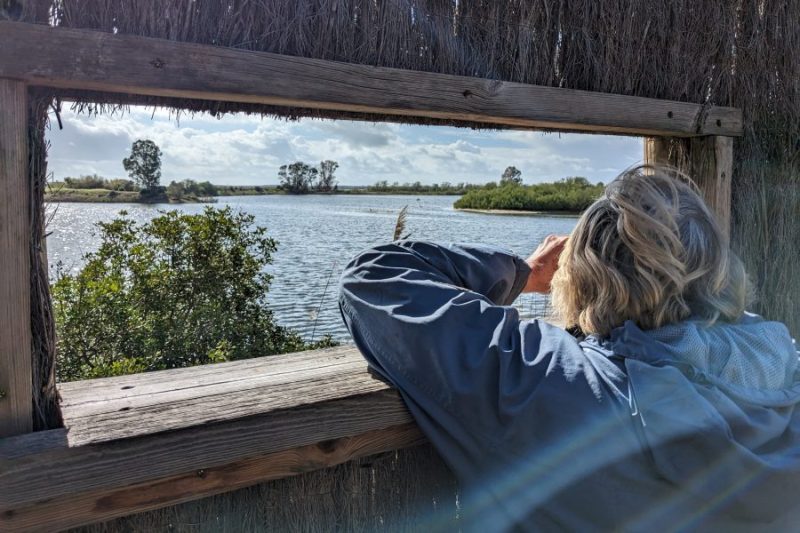
This land is home to more than 300 species of regular, non-accidental birds and, in addition, a list of more than 150 rarities that turn every field trip into a possible ornithological surprise.
Keys to birdwatching in Andalusia
Andalusia offers the perfect combination that transforms a nature trip into an unforgettable experience. It has a spectacular wealth of species that places it among the best European destinations for birdwatching.
But what really rounds off and spices up any ornithological expedition here are its incomparable added values: it is a land of millenary culture and Andalusian monuments that frame every route; it has a sublime Mediterranean cuisine that is a feast in itself; it stands out for the warmth and welcome of its inhabitants; it has consolidated tourist infrastructures and affordable prices; and it enjoys a benevolent Mediterranean climate, especially attractive and mild during the winter, allowing you to explore its landscapes at any time of the year.

In Andalusia, birdwatching is not only an activity: it is also about immersing yourself in the Spanish way of life and embracing their own Mediterranean customs.
Ornithological tours in Andalusia
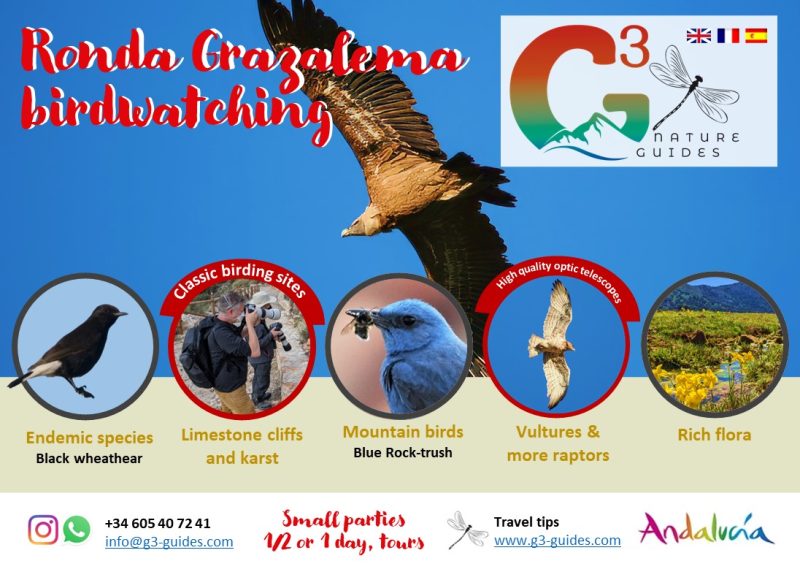
The distribution and character of Andalusian ecosystems are the result of its physical conditions, geology and current climate, but also of a millenary history that has shaped them. Understanding the geographical gradients and the influence of each cardinal point in this land of Andalusia is the key to anticipate the ecology and the extraordinary diversity of its avifauna.

Updated list of species
Ornithology is a dynamic science. The common and scientific names of birds, as well as their taxonomy, are periodically revised at the international level to reflect new genetic and parentage studies.
The list of the regular and non-diving birds of Andalusia is the essential tool to start a birding tour.
Ornithological guides by Andalusian province
Andalusia, with its eight provinces, covers an immense territory of more than 400 kilometers long and 200 kilometers wide.
We will then explore province by province the unique ornithological potential that each offers. In each chapter, we’ll break down key ecosystems, flagship species and specialties, and must-see hotspots, giving you the initial map to plan your expedition. From the marshes of Huelva to the deserts of Almeria, we’ll discover why a trip with a local expert is the difference between birding and experiencing the ornithological essence of Andalusia.
Common Mediterranean birds
The Mediterranean region offers birdwatchers a diverse avifauna and impressive landscapes. Some common species are among the most attractive for their shape, coloration and behavior.

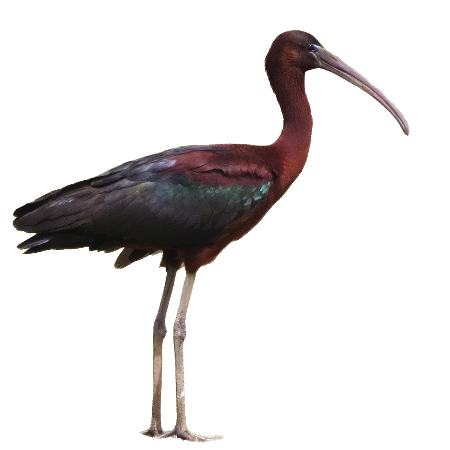
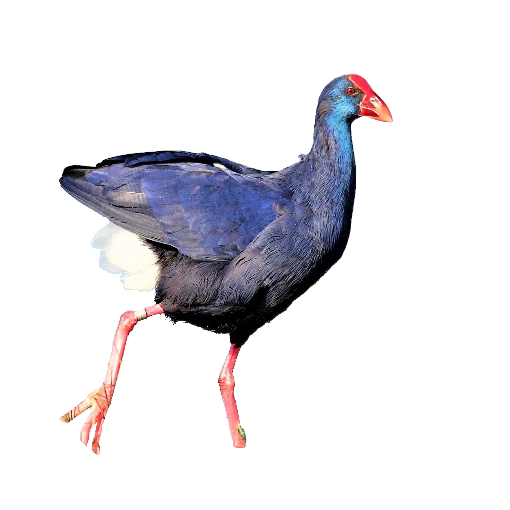

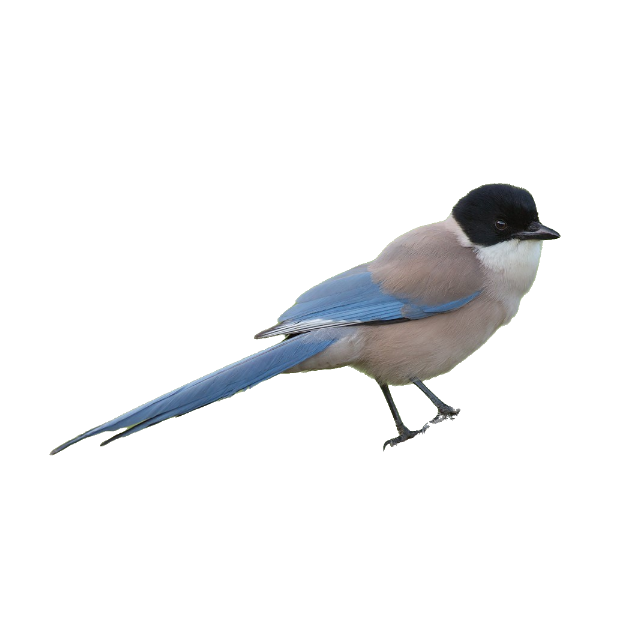
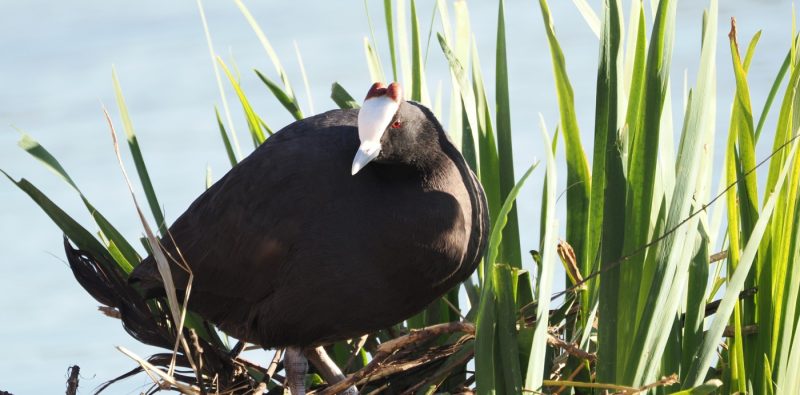
Andalusia is no exception, with outstanding examples such as the European Bee-eater, a tropical-colored aerial insectivore; the Glossy Ibis, a dark bronze ibis; the Purple Swamp-hen, a large violet-blue waterbird; the Lesser Kestrel, a small migratory colonial raptor; and the Iberian Azure-winged Magpie, a social and striking endemic corvid.
Main bird hotspots in Andalusia
In ornithology, a hotspot is a “hot spot” or geographic area with a significantly higher than average concentration of bird biodiversity.
Hotspots naturally become the best destinations for ornithological tourism. They not only attract birds, but also their observers.
Their value lies in the fact that each encompasses a multitude of specific observation points (viewpoints, lagoons, trails) with distinct bird communities. This makes the visit an exploration that can, and often must, extend over several days to take in their full richness and understand the different habitats and species that compose them.
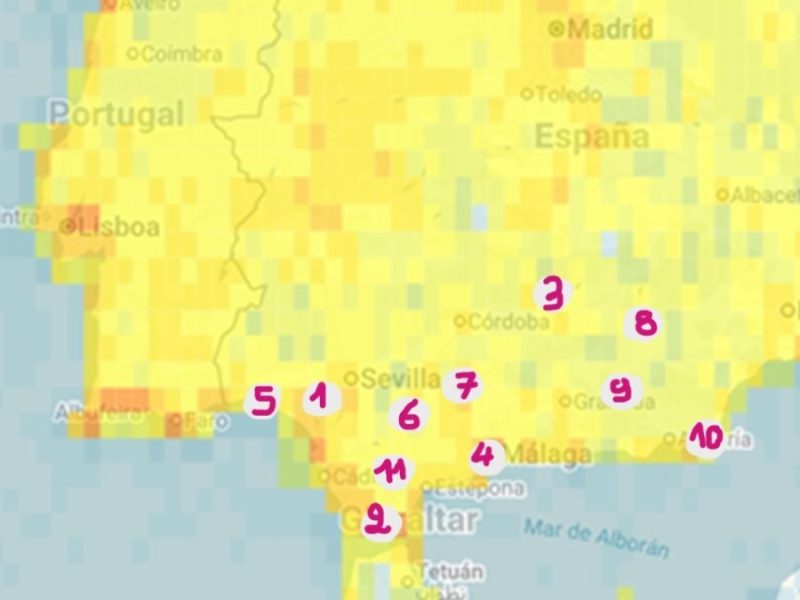
Europe’s most important complex of wetlands and preserves and the main winter quarters for the continent’s waterfowl. This mosaic of marshes, mobile dunes and pine forests is a crucial sanctuary for breeding species such as the Marbled Teal and the Iberian Imperial Eagle, with important colonies of Spoonbills, White-crowned Ciguëñas and Glossy Ibis. It is also home to a rich community of birds in its forests on sandbanks. The environment offers a vital stop on the Atlantic migratory route. The “Coto de Doñana” is emerging as the most emblematic ornithological enclave of Andalusia and perhaps of Spain.
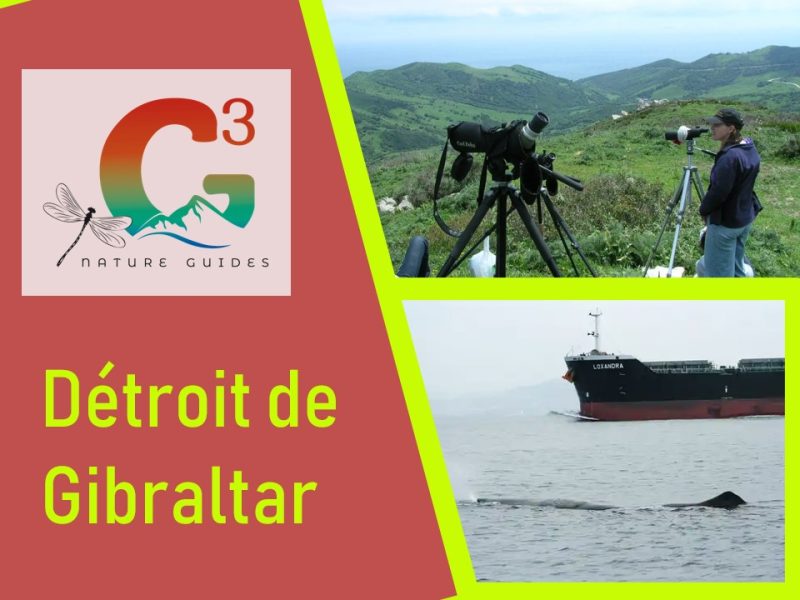
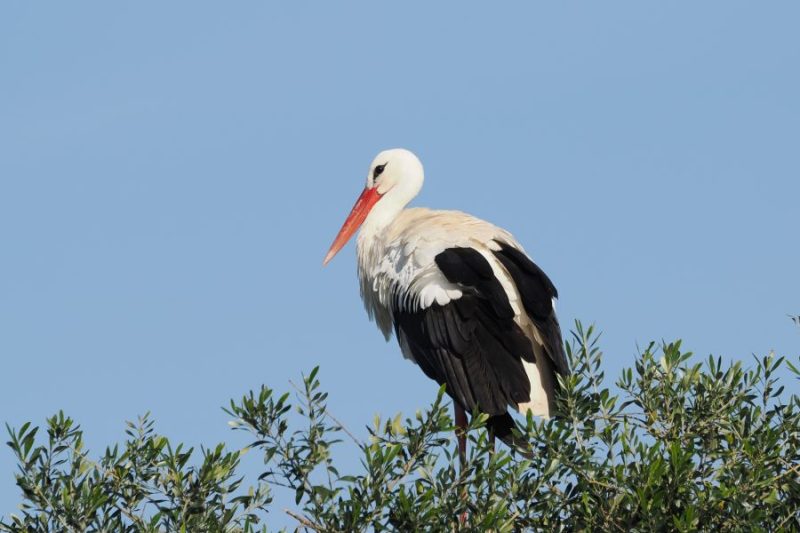
Main migratory corridor between Europe and Africa and a natural spectacle of worldwide importance. Every year, millions of gliding birds -such as storks, kites, booted eagles and Egyptian Vultures-concentrate their crossing between continents here. The viewpoints of Tarifa and Punta Carnero offer massive observation, especially during the spring (March-May) and autumn (August-October) passages, being also a key point for seabirds and the Balearic Shearwater.
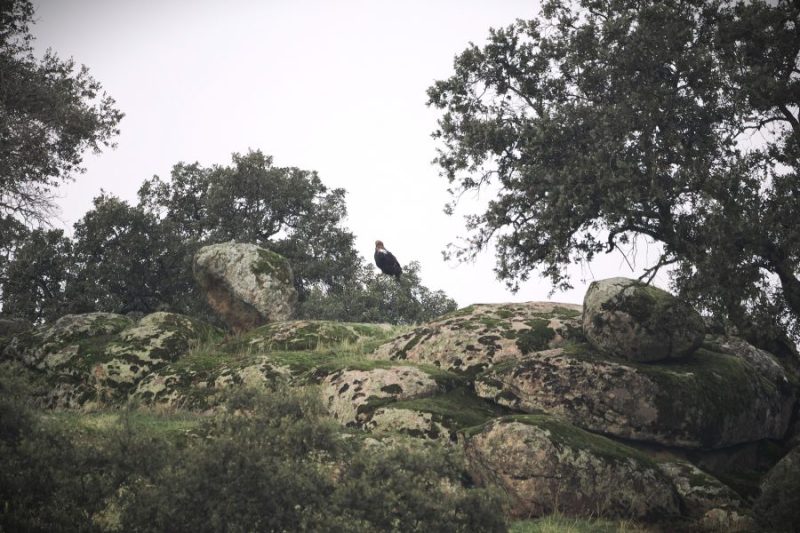
The best preserved Mediterranean forest and scrubland in Andalusia. Its extensive dehesas and rocky areas in the heart of Sierra Morena are the main refuge for large birds of prey such as the Spanish Imperial Eagle and the Golden Eagle, along with the Black Vulture and the Griffon Vulture. This enclave is also home to a rich community of endemic forest birds, including the Iberian Woodpecker, the Iberian Shrike and the Iberian Azure-winged Magpie.
Urban coastal wetland of reference in the heart of the Costa del Sol. This system of lagoons at the mouth of the river acts as a magnet for waders, gulls and waterfowl, being a crucial migratory resting area. It is a vital enclave for species such as the Marbled Duck, the Slender-billed gull and Kentish Plover offering a high diversity observation just a few minutes from the center of Malaga.
Unique complex of Atlantic tidal marshes in front of Huelva. This site of marshes, salt marshes and estuaries is a crucial area for colonial nesting of waterfowl, with important colonies of Spoonbills, Little Egret and Little Tern. It also acts as a vital feeding and resting area during wintering and migratory passages for thousands of waders and ducks, making it one of the most productive wetlands in Spain.
Last great bastion of steppe birds in Andalusia. These vast cereal plains are home to the largest regional populations of Great Bustard and Little Bustard. This traditional agricultural landscape is also essential habitat for the Pin-tailed Sandgrouse, the Stone Curlew and raptors linked to the open environment such as the Montagu’s Harrier and the Lesser Kestrel. It is a key territory for the conservation of the most threatened avifauna of open landscapes.
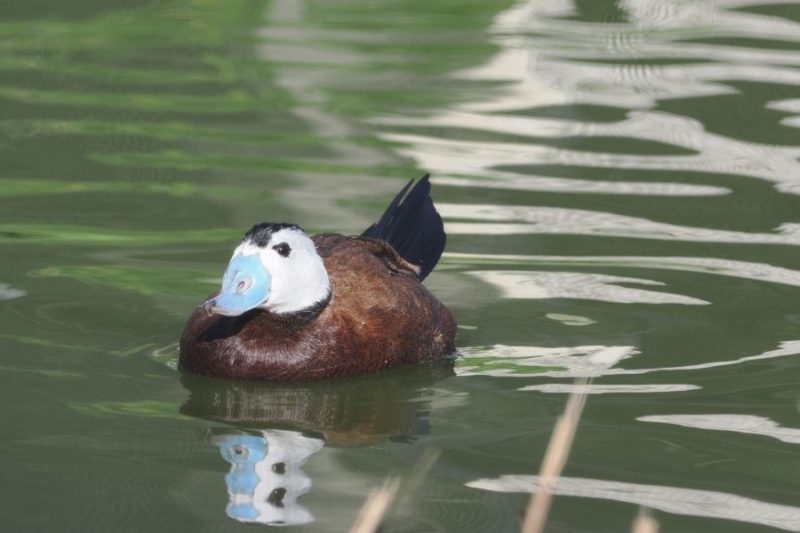
Main breeding colony of Greater Flamingoes in the Peninsula and inland saline wetland of international importance. Next to the visitor center, a lagoon is home to the endangered White headed Duck and provides shallow shores favorable for a great diversity of waterfowl and waders, with very good visibility and abundance during migratory periods.
The largest protected area in Spain, a vast Mediterranean mountain massif. Its extensive forests, deep canyons and clean rivers are home to one of the most complete raptor communities in the peninsula. It is a fundamental area for the Bearded Vulture (in the process of reintroduction), the Golden Eagle and large colonies of Griffon vulture. It also hosts a rich forest and riparian avifauna, such as the White-throated Dipper, being a sanctuary for mountain biodiversity.
Europe’s highest Mediterranean high mountain system. Its extreme altitudinal gradient, from forests to alpine peaks, is home to highly specialized birds. Emblematic species such as the Alpine Accentor and Common Rock Thrush find here their main refuge in southern Europe. The summits are also the habitat of the much scarcer and more localized White-winged Snowfinch.
Semi-arid coastal area unique in Europe. Cliffs, salt marshes and steppes that are home to an avian community specialized in aridity. Species such as the Sardinian Warbler, the Sardinian Warbler and the Lesser Short-toed Lark stand out. The salt flats attract Greater Flamingoes and waders, and the cliffs are a refuge for seabirds. It is a critical habitat for steppe and coastal birds adapted to extreme conditions.
Calcareous massif with high rainfall and unique forests of pinsapo. Combines rocky cliffs, dense forests and mountain pastures. Key destination for the avifauna of the Mediterranean mid-mountains. It is a stronghold for rupicolous birds of prey such as the Griffon vulture and Bonelli‘s Eagle. The crags are home to the Blue Rock Thrush and the Black Wheatear.
Steppe and pasture landscape on flat and open substrate, dotted with hills and stony areas. It is a key refuge for steppe birds typical of the inland plains and traditional agricultural environments. It is a stronghold for birds of prey such as Montagu’s Harrier and Lesser Kestrel. The plains and crops are home to the Iberian Pin-tailed Sandgrouse and the Great Bustard, while the scrublands shelter the Thekla Lark.
The birds of Southern Spain in their habitats
The distribution of birds is not random. Their presence at a particular point responds to a rigorous habitat selection, an ecological mechanism by which each species identifies and occupies the environment that optimizes its chances of survival and reproduction.
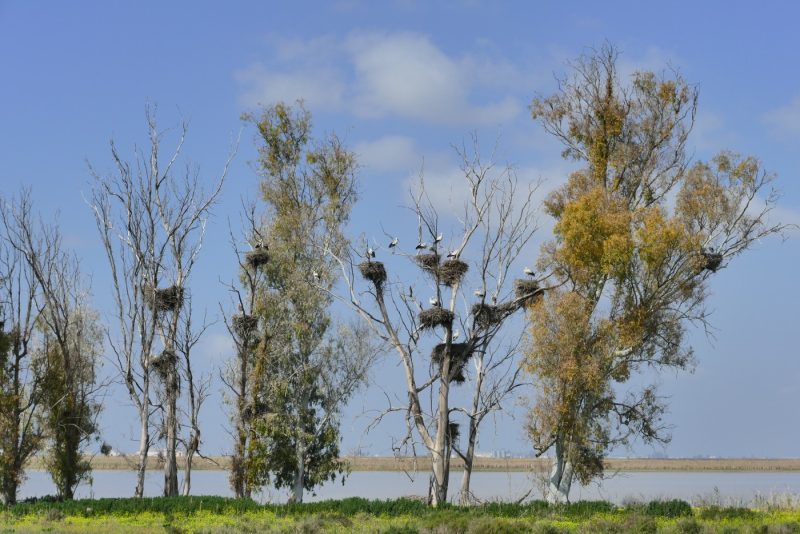
Thus, recording a species goes beyond noting it in a field notebook; the avian community of an ecosystem acts as an accurate diagnosis, revealing its state of health, structure and inner workings.
The main ecosystems present in Andalusia each host a specific and specialized avifauna.
In conclusion
Andalusia is a birdwatcher’s paradise and, above all, the perfect place to get started in ornithology.
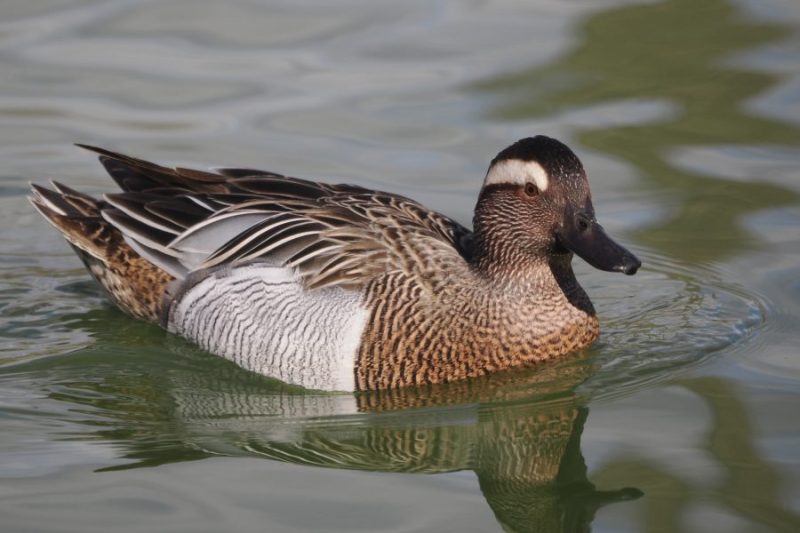
The vast majority of the major taxonomic orders of birds are represented here, allowing you to understand ornithological biodiversity in its entirety: its forms, colors, adaptations and ecology. We propose fascinating trips that not only search for species, but also connect you with the very logic of winged life, offering a solid base to explore any other corner of the planet.
Leave a Reply